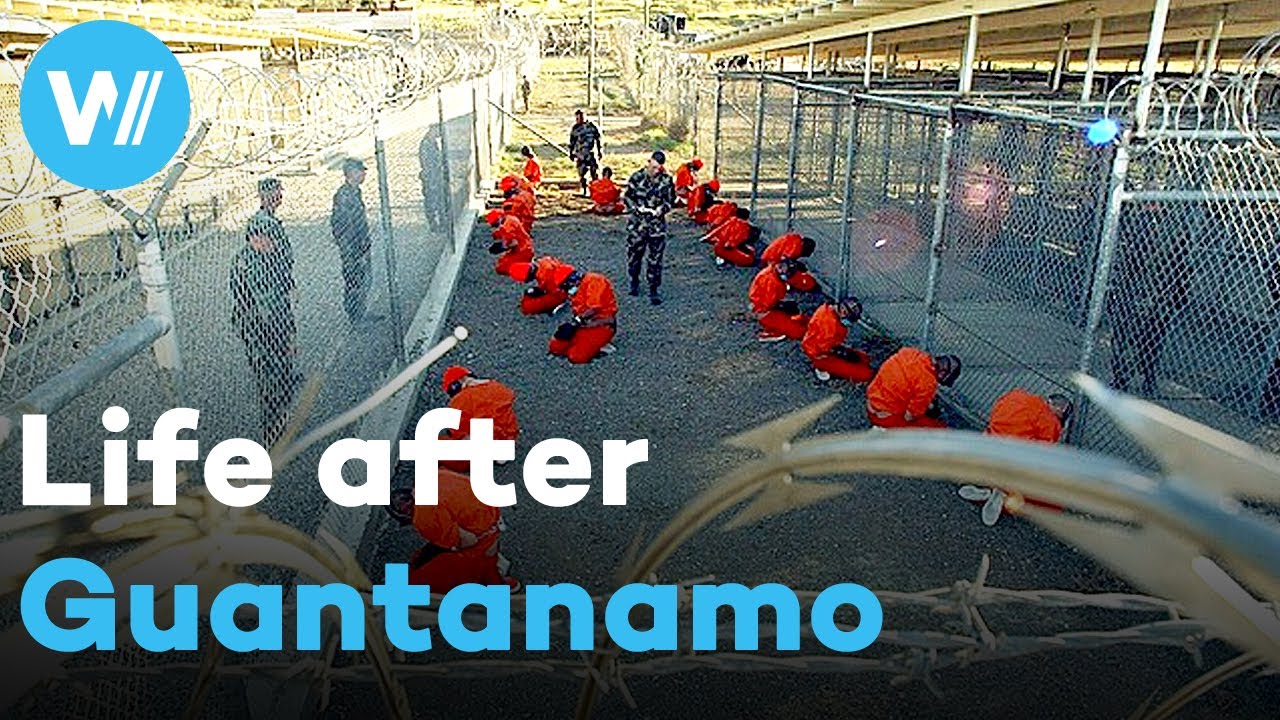
Guantanamo Bay Survivors Finally Break Their Silence | The Guantanamo Trap (Documentary, 2011)
Keywords
Summary
164 words
Critical Evaluation
The documentary provides a compelling and emotionally charged account of the human cost of Guantanamo Bay. Its primary strength lies in the firsthand testimonies of the four central figures, which offer unique insights into the psychological and moral impact of the detention camp. Murat Kurnaz’s account of his five-year ordeal, including his interrogation and the lack of evidence against him, humanizes the often abstract discussions of detainee treatment. Diane Beaver’s perspective is particularly valuable as she grapples with her role in authorizing controversial techniques, revealing the internal conflicts within the military legal system. Matthew Diaz’s story illustrates the ethical dilemmas faced by those who attempted to uphold the law from within, and his decision to leak classified information underscores the systemic failures of accountability. Gonzalo Boye’s ongoing legal efforts provide a framework for understanding the pursuit of justice beyond the US legal system.
The documentary is well-structured, using archival footage and original recordings to contextualize the personal stories within the broader political and historical landscape. The inclusion of a press conference and scenes from Abu Ghraib effectively connects the dots between policy decisions and their consequences. However, the film is clearly biased against the US government’s actions, which may limit its objectivity. It does not present a balanced view, omitting any significant defense of the detention policies or the security rationale behind them. This one-sidedness is a notable weakness for viewers seeking a comprehensive understanding.
The sources cited are primarily the interviewees themselves, which adds authenticity but also means the documentary relies heavily on personal recollections that may be subject to memory bias. The film does not reference external documents or reports to corroborate the claims, though the existence of the torture memo and the Supreme Court ruling are well-documented historical facts. The production quality is high, with professional editing and cinematography, but the technical depth is limited, making it accessible to a general audience rather than specialists.
Overall, the documentary is a powerful and thought-provoking piece that raises important ethical and legal questions. It is a valuable resource for those interested in human rights, legal ethics, and the legacy of the war on terror, but it should be viewed with an awareness of its advocacy perspective.
367 words
Title / Content Match
The title accurately reflects the content: it focuses on survivors' testimonies and the long-term impact of Guantanamo.
Quality & Reliability
7/10
The documentary presents first-hand accounts from key figures (a former detainee, two military lawyers, and a human rights lawyer) and includes archival footage and original recordings. It is a well-produced documentary with credible interviewees, but it is a subjective narrative rather than a peer-reviewed study. The information is consistent with known historical events, but the documentary's perspective is clearly critical of US policies.
Key Moments
Markers derived by PSI from the transcript: the creator did not define chapters.
- Introduction to the documentary and its themes.
- Diane Beaver discusses her role and the 'torture memo'.
- Murat Kurnaz's story begins.
- Description of interrogation techniques and their psychological impact.
- Matthew Diaz's account of his decision to leak detainee names.
- Original recording from Guantanamo Bay.
- Discussion of prisoner abuse in Abu Ghraib and its connection to Guantanamo.
- Press conference with human rights lawyer Barbara Olshansky.
- Murat Kurnaz's fourth year in Guantanamo and his continued detention.
- Life after Guantanamo for the individuals featured.
Cited Sources
- wocomoCOOK — Channel link from description, not directly cited in video.
- wocomoHISTORY — Channel link from description, not directly cited in video.
- wocomoHUMANITY — Channel link from description, not directly cited in video.
- wocomoTRAVEL — Channel link from description, not directly cited in video.
- wocomoWILDLIFE — Channel link from description, not directly cited in video.
Concurring Sources
- Guantanamo Bay detention camp — Provides factual background on the camp's operations and controversies.
- Torture Memos — Details the legal memos that authorized enhanced interrogation techniques.
- Boumediene v. Bush — Supreme Court decision affirming habeas corpus rights for detainees.
Dissenting Sources
- No discordant sources found — The documentary does not present opposing viewpoints, so no discordant sources are cited within the video.
Contribution & Novelties
The documentary offers a unique compilation of personal testimonies from individuals on different sides of the Guantanamo issue, providing a humanizing perspective often missing from policy debates. It highlights the long-term psychological and moral consequences for both detainees and military personnel, and raises questions about legal ethics and accountability.
Pour aller plus loin :
- Guantanamo Bay detention camp — Provides comprehensive background on the camp’s history and controversies.
- Torture Memos — Discusses the legal memos that authorized enhanced interrogation techniques, including the one authored by Diane Beaver.
- Boumediene v. Bush — The Supreme Court case that granted detainees the right to habeas corpus, referenced in the documentary.
107 words
Radar Profile
The radar profile shows high scores in quantity of information and reliability, reflecting the documentary's rich personal narratives and historical accuracy. The technical level is moderate, indicating accessibility to a general audience. The overall balance suggests a well-rounded documentary with a strong human rights focus.
💬 No comments were provided for analysis.