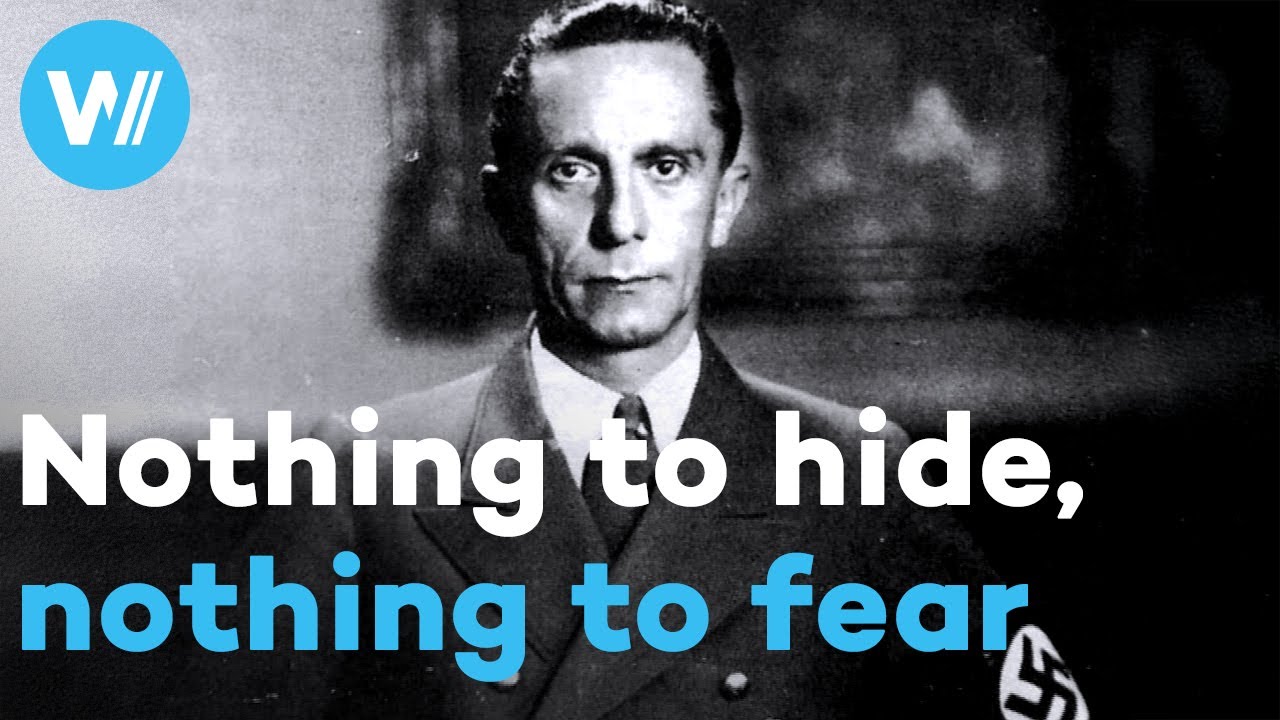
Stasi, KGB, and the American Police State | America's Surveillance State (6/6)
Keywords
Summary
157 words
Critical Evaluation
The documentary provides a comprehensive overview of the US surveillance state, effectively weaving together historical context, expert interviews, and citizen perspectives. Its strength lies in the diversity of voices, including journalists, civil liberties advocates, and former officials, which lends credibility to the narrative. The inclusion of Snowden’s encryption tutorial and the discussion of private surveillance companies adds practical depth. However, the film lacks rigorous sourcing for many claims; for instance, specific statistics and program details are presented without direct citations, which may undermine its scientific value. The argumentation is generally balanced, but at times it leans heavily on emotional appeals, such as the comparison to the Stasi and KGB, which, while evocative, may oversimplify complex issues. The quality of sources is mixed: interviews with recognized experts like Adam Liptak and Andy Greenberg are valuable, but the reliance on anonymous or unverified citizen testimonials reduces overall reliability. The documentary’s adéquation with its title is strong, as it directly addresses the parallels between American surveillance and historical authoritarian practices. However, the title’s sensationalism might overstate the direct comparison, as the film also highlights differences and the role of democratic institutions. Overall, the documentary is informative and thought-provoking, but its lack of formal citations and occasional reliance on anecdotal evidence prevent it from achieving higher scientific rigor. It serves as a good introduction for general audiences but would benefit from more detailed references for academic or policy-oriented viewers.
235 words
Title / Content Match
The title accurately reflects the content, which compares US surveillance practices to historical authoritarian regimes like the Stasi and KGB, and discusses the current state of surveillance in America.
Quality & Reliability
7/10
The documentary presents a balanced view of the US surveillance state, featuring interviews with experts, journalists, and citizens. It references specific programs and events (e.g., NYPD Muslim surveillance, NSA data collection) and includes critical perspectives. However, it lacks detailed citations for many claims and relies on anecdotal evidence, limiting its scientific rigor.
Key Moments
Markers derived by PSI from the transcript: the creator did not define chapters.
- Citizens' opinions on NSA spying, including the 'nothing to hide' argument and historical reference to Joseph Goebbels.
- Discussion on the future of spying, including the NSA's data collection and the Utah data center.
- Journalists' use of encryption, featuring Edward Snowden's tutorial and Andy Greenberg's comments.
- Criticism from both left and right, including ACLU's Ben Wizner on congressional oversight.
- Private surveillance industry and fusion centers, with Mike German discussing suspicious activity reports.
- Recruiting paradox of the surveillance state, highlighting the NSA's reliance on whistleblowers and the media.
- Conclusion summarizing the need for controls and the threats to democracy.
Cited Sources
- wocomoCOOK — Related channel from the same network, not directly cited in the video.
- wocomoHISTORY — Related channel from the same network, not directly cited in the video.
- wocomoHUMANITY — Related channel from the same network, not directly cited in the video.
- wocomoTRAVEL — Related channel from the same network, not directly cited in the video.
- wocomoWILDLIFE — Related channel from the same network, not directly cited in the video.
Concurring Sources
- Edward Snowden's revelations — The documentary's claims about NSA surveillance are consistent with Snowden's disclosures.
- ACLU's surveillance litigation — The ACLU's work aligns with the documentary's criticism of surveillance oversight.
Dissenting Sources
- Government statements on NSA surveillance
Contribution & Novelties
The documentary provides a comprehensive overview of the US surveillance state, synthesizing historical context, expert opinions, and citizen perspectives. It highlights the evolution of surveillance from the Philippine-American War to the post-9/11 era, and discusses the role of whistleblowers like Edward Snowden. The film also explores the growing private surveillance industry and the challenges of encryption. Its original contribution lies in its comparative approach, drawing parallels to the Stasi and KGB, and its emphasis on the need for democratic oversight.
Pour aller plus loin :
- Edward Snowden’s revelations — Provides background on the NSA leaks and their impact.
- NSA’s PRISM program — Details the surveillance program revealed by Snowden.
- ACLU’s surveillance litigation — Discusses ongoing legal challenges to surveillance practices.
- The Intercept — Investigative publication founded by Glenn Greenwald and Laura Poitras, focusing on surveillance and national security.
138 words
Radar Profile
The radar profile shows high scores in quantity of information and global reliability, reflecting the documentary's comprehensive coverage and credible sources. However, the technical level is moderate, indicating that it is accessible to a general audience rather than deeply technical. The quality of information is strong, but the lack of formal citations slightly reduces its scientific rigor.