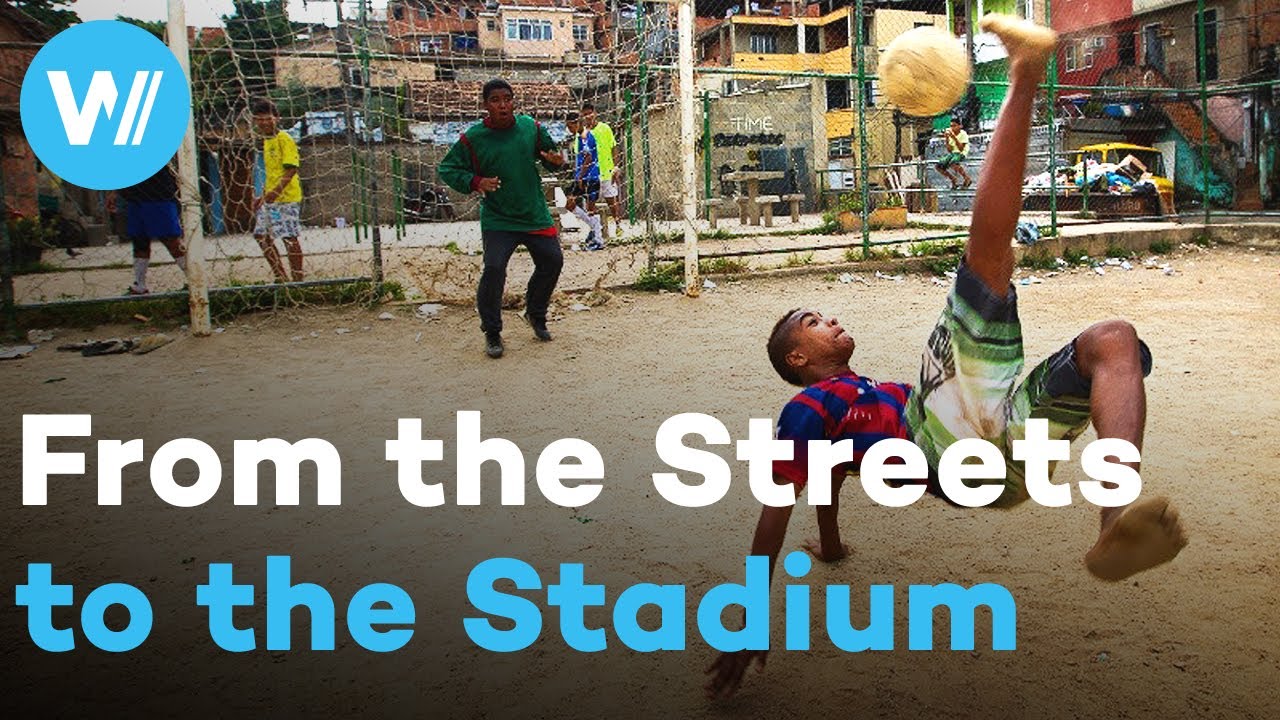
The Street Child World Cup: Follow the boys chosen to play football for Brazil (Full documentary)
Keywords
Summary
164 words
Critical Evaluation
The documentary offers a compelling and emotionally charged narrative that sheds light on the lives of street children in Brazil and the positive impact of initiatives like the Street Child World Cup. The strength of the film lies in its authentic portrayal of the boys’ personal stories, their struggles, and their aspirations. The interviews with the boys, their coach, and the project founder provide a humanizing perspective that is often missing from mainstream media coverage of such issues. The inclusion of Rodrigo’s murder adds a tragic but realistic dimension, highlighting the dangers that street children face daily. The film effectively uses football as a lens to explore broader social issues, such as poverty, violence, and the lack of opportunities for marginalized youth. However, from a scientific standpoint, the documentary lacks rigorous data or expert analysis. It relies heavily on anecdotal evidence and emotional appeal, which may not provide a comprehensive understanding of the systemic issues at play. The film does not offer solutions or delve into policy discussions, but it does raise awareness and humanizes the subjects. The sources cited are limited to the YouTube channel’s other content, which does not provide additional credibility. Overall, the documentary is valuable for its storytelling and awareness-raising, but it should be complemented with more analytical resources for a deeper understanding.
217 words
Title / Content Match
The title accurately reflects the content, as the documentary follows the Brazilian boys' journey to the Street Child World Cup.
Quality & Reliability
7/10
The documentary provides a firsthand account of the Street Child World Cup, featuring interviews with participants, coaches, and organizers. It highlights real events, including the murder of a team captain, and shows the transformative power of sport. While it is not a scientific study, it offers authentic insights into the lives of street children in Brazil. The information is presented with emotional depth but lacks external verification or statistical data.
Key Moments
Markers derived by PSI from the transcript: the creator did not define chapters.
- Introduction to the documentary and the boys' backgrounds.
- The creation of the Street Child World Cup and its mission.
- Training and discipline, with insights into the boys' past lives on the streets.
- The murder of team captain Rodrigo Kelton and its impact on the team.
- Flying to Rio for the first time and arriving at the tournament.
- First match: Brazil vs Egypt.
- Visiting Rio: Christ the Redeemer and Maracanã stadium.
- Match: Brazil vs Indonesia.
- Visiting favelas, art therapy, and the Nós do Morro project.
- Match: Brazil vs South Africa.
Cited Sources
- wocomoCOOK — Related documentary channel
- wocomoHISTORY — Related documentary channel
- wocomoHUMANITY — Related documentary channel
- wocomoTRAVEL — Related documentary channel
- wocomoWILDLIFE — Related documentary channel
Concurring Sources
- Street Child World Cup official website — Official information about the tournament and its mission.
- UNICEF report on street children — Provides context on the situation of street children globally.
Dissenting Sources
- No discordant sources found — The documentary does not present conflicting viewpoints or sources.
Contribution & Novelties
The documentary provides a unique and intimate look at the lives of street children in Brazil and the role of football in their rehabilitation. It highlights the Street Child World Cup as an initiative that gives these children a platform to be heard and to advocate for their rights. The film’s strength is its human-centered approach, showing the boys’ personal growth and the challenges they face.
Pour aller plus loin :
- Street Child World Cup official website — Official site with information about the event and its impact.
- UNICEF report on street children — UNICEF’s State of the World’s Children report on street children.
- Pequeno Nazareno project — Official site of the project featured in the documentary.
117 words
Radar Profile
The radar profile shows high scores in quantity and quality of information, reflecting the documentary's rich narrative and authentic footage. The technical level is low, as expected for a general audience documentary. Overall reliability is moderate, given the lack of external verification and the emotional nature of the content.
💬 No comments were provided for analysis.