Alaska Energy Training Group: Utility Assistance and Training Strategies
Keywords
Summary
221 words
Critical Evaluation
Value of the Information & Strength of the Argument
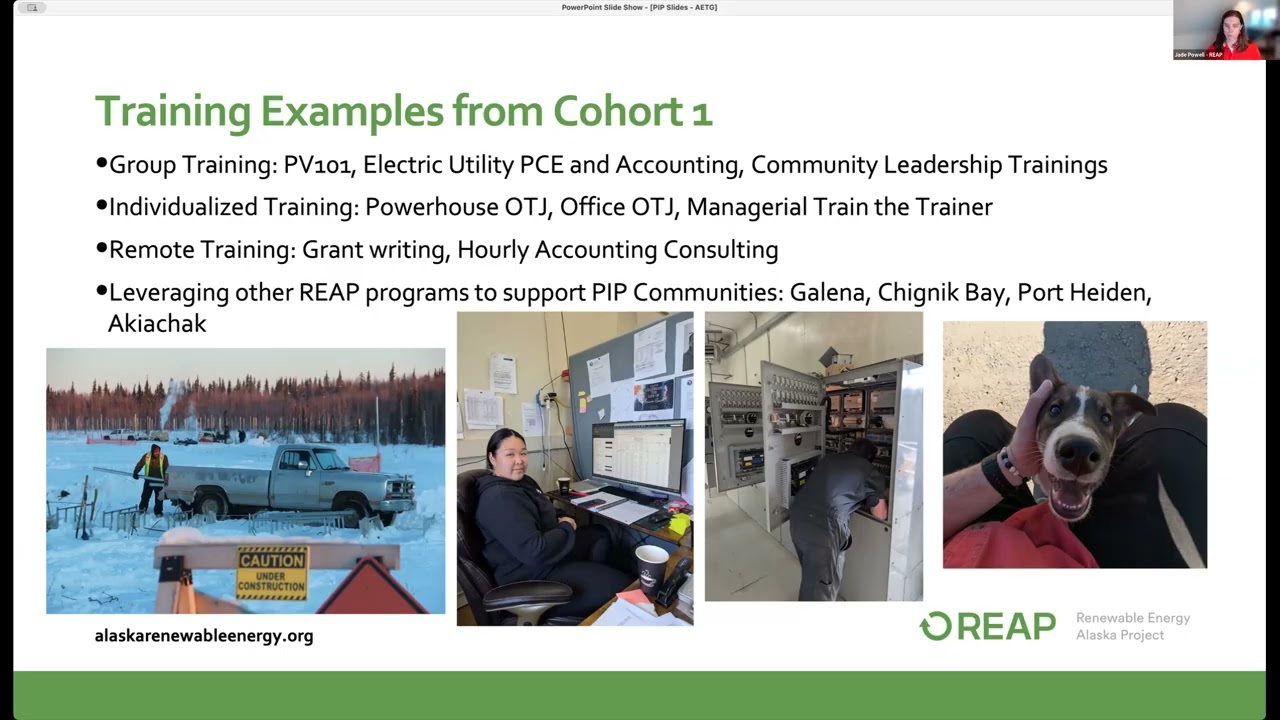
The video provides valuable insights into the practical realities of supporting rural utilities in Alaska. The presenters offer concrete examples of training methods and assistance strategies, such as remote accounting support, inter-community mentoring, and filling in for absent staff. The argumentation is based on real-world experience and specific outcomes, making it persuasive. However, the lack of quantitative data or formal evaluation limits the strength of the claims. The presenters acknowledge challenges, such as travel costs and staff turnover, which adds credibility. Overall, the information is useful for practitioners and policymakers in the energy and community development sectors.
Scientific Rigor, Source Quality, Title Accuracy
The video is a presentation by experts in the field, but it does not cite external sources or provide references. The information is based on the presenters’ professional experience and program data. The title accurately reflects the content. The presentation is well-structured and the speakers are knowledgeable. However, the lack of citations and the informal nature of the meeting reduce the scientific rigor. The video is more of a practitioner discussion than a formal research presentation.
188 words
Title / Content Match
The title accurately reflects the content, which focuses on utility assistance and training strategies in Alaska.
Quality & Reliability
7/10
The video presents expert opinions and practical experiences from two professionals directly involved in utility training and assistance programs in rural Alaska. The information is grounded in real-world examples and specific program outcomes, but lacks formal citations or peer-reviewed sources. The content is credible within the context of practitioner knowledge.
Key Moments
Markers derived by PSI from the transcript: the creator did not define chapters.
- Introduction and welcome by Steve Clary
- Jade Powell begins presentation on People in Power program
- Discussion of challenges faced by rural utilities
- Examples of training methods and inter-community support
- Joni Yakunin presents on Community Utility Assistance Program
- Success stories and impact of CUAP
- Challenges and future plans
- Closing remarks and next meeting announcement
Cited Sources
- Alaska Energy Training Group — Mentioned in the video description as a resource for more information about the group.
Concurring Sources
- Alaska Energy Training Group — The group's mission aligns with the video's content on improving coordination and collaboration in training and technical assistance.
Contribution & Novelties
The video provides a unique perspective on utility training and assistance in rural Alaska, highlighting the importance of hands-on, community-specific approaches. It offers practical examples of successful strategies, such as remote support and inter-community mentoring. The presentation underscores the need for flexible training models that address the diverse challenges faced by small utilities.
Pour aller plus loin :
- Rural Utilities Service — Federal agency providing support to rural utilities.
- Alaska Energy Authority — State agency involved in energy projects and training.
- Denali Commission — Federal agency supporting infrastructure in Alaska.
90 words
Radar Profile
The radar profile shows moderate to high scores across all dimensions, with the lowest score in technical level, indicating that the content is accessible to a general audience. The high scores in information quality and reliability suggest that the video provides credible and useful information, though it lacks formal citations.
💬 No comments were provided for analysis.