Thematic Track Session 3.4 Financing and Partnerships for Beyond Just Energy Transition
Keywords
Summary
155 words
Critical Evaluation
Value of the Information & Strength of the Argument
The session provides valuable insights into practical financing models and partnerships for inclusive energy transitions. The speakers present real-world examples, such as IDCOL’s solar home system program, which demonstrate the effectiveness of blended finance and community engagement. The argumentation is solid, based on professional experience and documented outcomes, though it lacks rigorous data and citations. The emphasis on intentional inclusion and the need to move from exceptions to norms is a compelling point.
Scientific Rigor, Source Quality, Title Accuracy
The session is rigorous in its presentation of case studies, but the sources are not explicitly cited. The speakers mention programs and outcomes but do not provide references or links. The title accurately reflects the content, focusing on financing and partnerships for a just energy transition. The discussion is well-structured and aligns with the session’s objectives.
144 words
Title / Content Match
The title accurately reflects the session's focus on financing and partnerships for a just energy transition, as discussed by the speakers.
Quality & Reliability
6/10
The session presents expert opinions and case studies from practitioners in the energy sector, but lacks detailed data and verifiable sources. The content is based on professional experience and program outcomes, but no specific citations or references are provided.
Key Moments
Markers derived by PSI from the transcript: the creator did not define chapters.
- Introduction and welcome by Ranish Kim, track chair.
- Moderator Nazmun Nahar introduces the session theme and speakers.
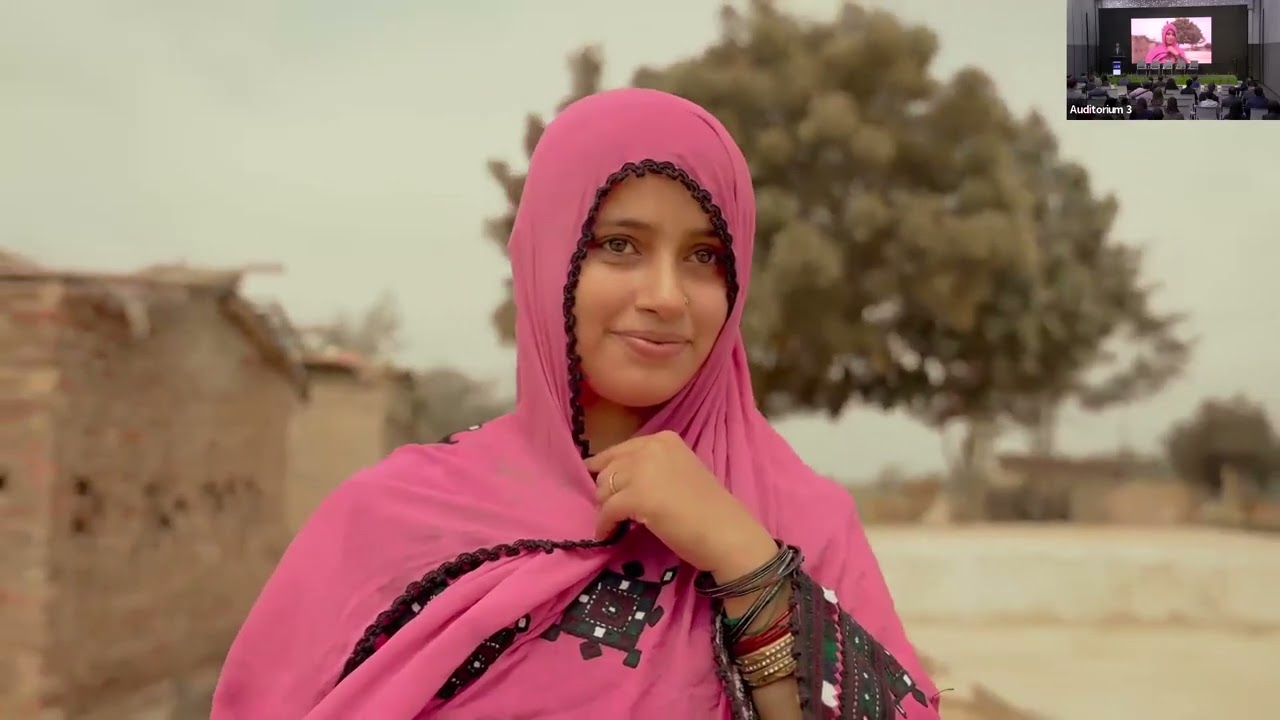
- Muhammad Ali sets the scene with a video about a local woman benefiting from a wind farm.
- Muhammad Ali emphasizes that inclusion must be intentional and poses a question about making inclusive programs the norm.
- Tanvir Bashar presents IDCOL's solar home system program in Bangladesh.
- Tanvir Bashar explains the blended finance model and partnership approach.
- Gizel Nunes Cordes discusses solar and aquaculture integration in Vietnam.
- Ken Thai presents the public-private-philanthropy partnership model in Hong Kong.
- Andre Susanto discusses the micro-franchise model for solar PV leasing.
Contribution & Novelties
The session provides a comprehensive overview of financing mechanisms and partnership models for inclusive energy transitions, with concrete examples from Bangladesh, Vietnam, Hong Kong, and Indonesia. It highlights the importance of intentional design and blended finance.
Pour aller plus loin :
- Blended finance — Overview of blended finance as a key concept.
- Solar home systems — Background on solar home systems.
- Public-private partnership — Explanation of PPP models.
68 words
Radar Profile
The radar profile shows moderate scores across all dimensions, indicating a balanced but not exceptional session. The strengths lie in the quality and quantity of information, while the technical level is slightly lower, reflecting the focus on policy and finance rather than technical details.