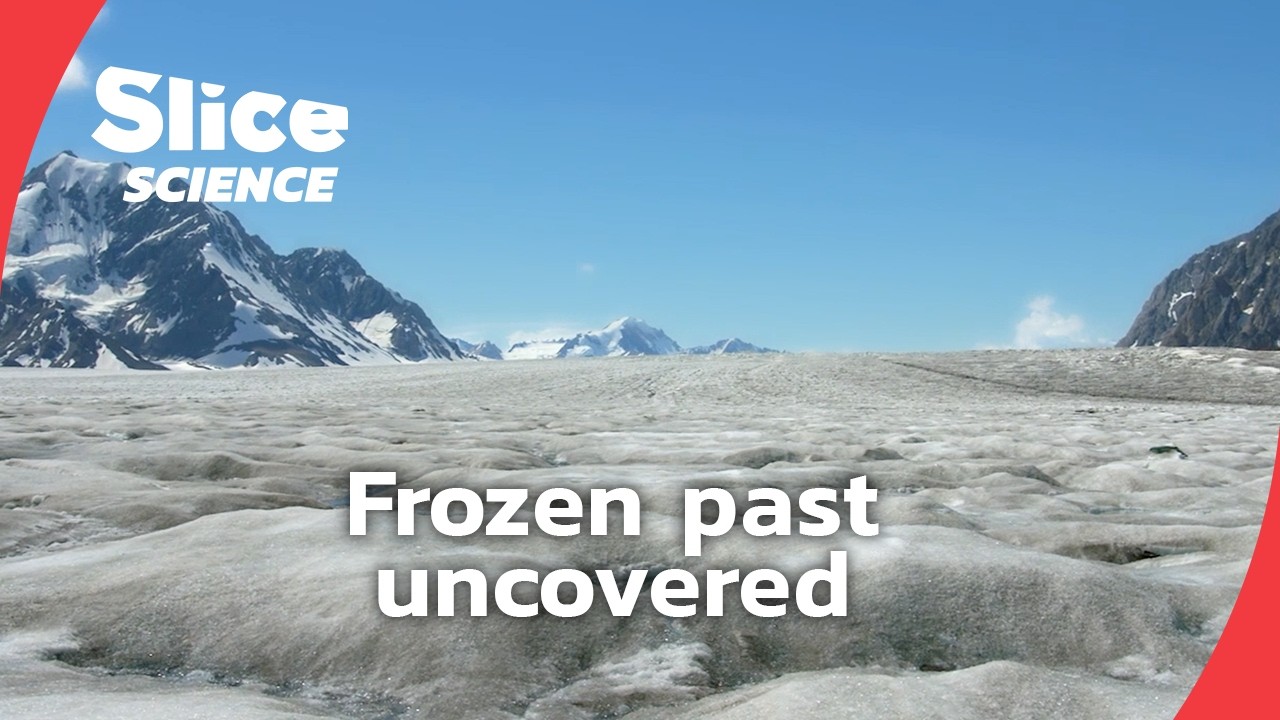
How melting ice reveals ancient human stories | SLICE SCIENCE
Keywords
Summary
166 words
Critical Evaluation
The documentary provides a compelling and informative look at ice patch archaeology, a relatively new field that has emerged due to climate change. The strength of the film lies in its firsthand accounts from archaeologists and the integration of Indigenous knowledge, which adds depth and cultural context. The scientific rigor is evident in the use of radiocarbon dating and the detailed analysis of artifacts, such as the atlatl darts, which are compared with modern replicas to understand their functionality. The film also effectively communicates the significance of organic preservation in ice patches, contrasting it with the limitations of stone artifacts. However, the documentary could benefit from more explicit discussion of the challenges and ethical considerations in handling human remains, as well as the broader implications of climate change on archaeological heritage. The pacing is engaging, and the visuals of the Yukon landscape are stunning. The title accurately reflects the content, and the inclusion of Indigenous perspectives is a notable strength. Overall, the documentary is a valuable contribution to public understanding of archaeology and climate change, though it may leave some viewers wanting more depth on certain topics.
187 words
Title / Content Match
The title accurately reflects the content, which focuses on how melting ice in the Yukon reveals ancient artifacts and human remains, and the collaborative efforts to study them.
Quality & Reliability
8/10
The documentary features interviews with archaeologists and scientists directly involved in the research, and presents findings that are consistent with established scientific methods such as radiocarbon dating. The information is presented in a balanced manner, acknowledging uncertainties and the collaborative nature of the work with Indigenous communities.
Key Moments
Markers derived by PSI from the transcript: the creator did not define chapters.
- Introduction to the Yukon ice patches and the discovery of ancient artifacts.
- Explanation of ice patches vs. glaciers and how they preserve artifacts.
- Discovery of a 4,300-year-old atlatl dart shaft, sparking the field.
- Interview with Ryan Grossmeyer about replicating ancient atlatls.
- Experiments with atlatl replicas to test their effectiveness.
- Finding of a bone awl and discussion of its possible use.
- Exploration of hunting blinds and their connection to caribou migration.
- Discovery of caribou dung and its significance.
- Discussion of the importance of organic artifacts and radiocarbon dating.
- Conclusion emphasizing the urgency of studying melting ice patches.
Cited Sources
- Secrets from the ice (documentary) — The documentary itself, directed by Andrew Gregg, produced by Jambika.
Concurring Sources
- Yukon Ice Patches — Government of Yukon page on ice patch archaeology, providing context and findings.
Contribution & Novelties
The documentary highlights the emerging field of ice patch archaeology, which has been made possible by climate change-induced melting. It provides a unique window into past human activities, particularly hunting practices, through the preservation of organic materials. The collaboration between archaeologists and Indigenous communities is a model for respectful and inclusive research.
Pour aller plus loin :
- Ice patch archaeology — Overview of the field and its significance.
- Atlatl — Information on the atlatl weapon and its use.
- Radiocarbon dating — Explanation of the dating method used to determine artifact ages.
91 words
Radar Profile
The radar profile shows high scores in information quantity, quality, and reliability, with a slightly lower technical level. This indicates a well-researched documentary that is accessible to a general audience while maintaining scientific credibility.
💬 No comments were provided for analysis.