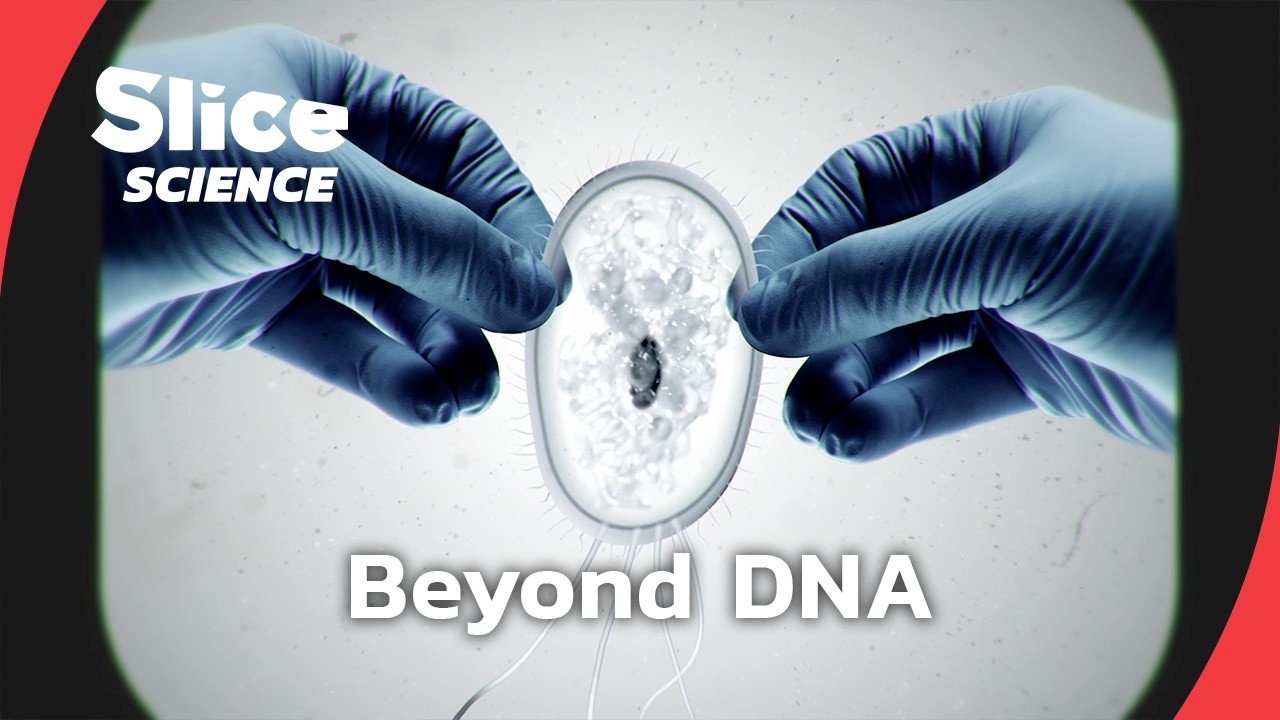
Rewriting evolution: the rise of synthetic biology | SLICE SCIENCE | FULL DOC
Keywords
Summary
134 words
Critical Evaluation
The documentary provides a comprehensive and accessible overview of synthetic biology, effectively combining expert interviews with clear explanations of complex concepts. Its strength lies in the credibility of the featured scientists, particularly Frances Arnold, whose Nobel Prize-winning work on directed evolution lends authority to the discussion. The film successfully conveys the transformative potential of synthetic biology, from producing valuable molecules to accelerating evolutionary processes in the lab. It also does not shy away from ethical questions, presenting a balanced view that acknowledges both the promises and perils of redesigning life. However, the documentary lacks specific citations to scientific literature, which would strengthen its scientific rigor. Some claims, such as the ability to create new species with minimal DNA changes, are presented without detailed evidence. The pacing is engaging, but the depth of technical detail may be insufficient for experts. Overall, it serves as an excellent introduction for a general audience, though it could benefit from more critical examination of the societal implications and regulatory frameworks. The adéquation between title and content is strong, as the film indeed focuses on rewriting evolution through synthetic biology.
184 words
Title / Content Match
The title accurately reflects the content, which explores how synthetic biology is reshaping evolution through genetic engineering and directed evolution.
Quality & Reliability
8/10
The documentary features interviews with prominent scientists, including Nobel laureate Frances Arnold, and presents a balanced view of synthetic biology's potential and risks. It includes clear explanations of fundamental concepts and highlights ethical concerns. However, it lacks detailed citations to specific studies, and some claims are presented without direct references.
Key Moments
Markers derived by PSI from the transcript: the creator did not define chapters.
- Introduction to synthetic biology and its goal to synthesize life.
- Visit to Vincent Martin's lab in Quebec to discuss directed evolution and production of natural products.
- Explanation of DNA, genes, and genomes as the instruction book of life.
- Interview with Frances Arnold at Caltech about applying evolution as an algorithm.
- Discussion on the potential of synthetic biology to create new molecules and organisms.
- Ethical considerations and risks of redesigning life.
- Examples of synthetic biology applications in medicine and industry.
- Frances Arnold explains the limits of current knowledge and the potential for future discoveries.
- Reflections on the responsibility of scientists and the future of evolution.
Cited Sources
- Frances Arnold - Nobel Prize in Chemistry 2018 — Mentioned as a leading scientist in directed evolution.
Concurring Sources
- Frances Arnold - Nobel Prize in Chemistry 2018 — Confirms the credibility of Frances Arnold as a leading scientist in directed evolution.
Contribution & Novelties
The documentary provides a compelling narrative that demystifies synthetic biology for a broad audience, emphasizing the concept of ’evolving evolution’ through directed evolution. It showcases real-world applications and ethical dilemmas, making it a valuable educational resource.
Pour aller plus loin :
- Directed evolution - Wikipedia — Overview of the technique used by Frances Arnold.
- Synthetic biology - Wikipedia — Comprehensive introduction to the field.
- CRISPR gene editing - Wikipedia — Related technology for precise genetic modifications.
76 words
Radar Profile
The radar profile shows high scores in information quantity and quality, with a moderate technical level, indicating a well-balanced documentary that is both informative and accessible. The reliability score is also high, reflecting the credibility of the featured experts.
💬 Sur les 0 commentaires analysés, aucune tendance n'a pu être dégagée.