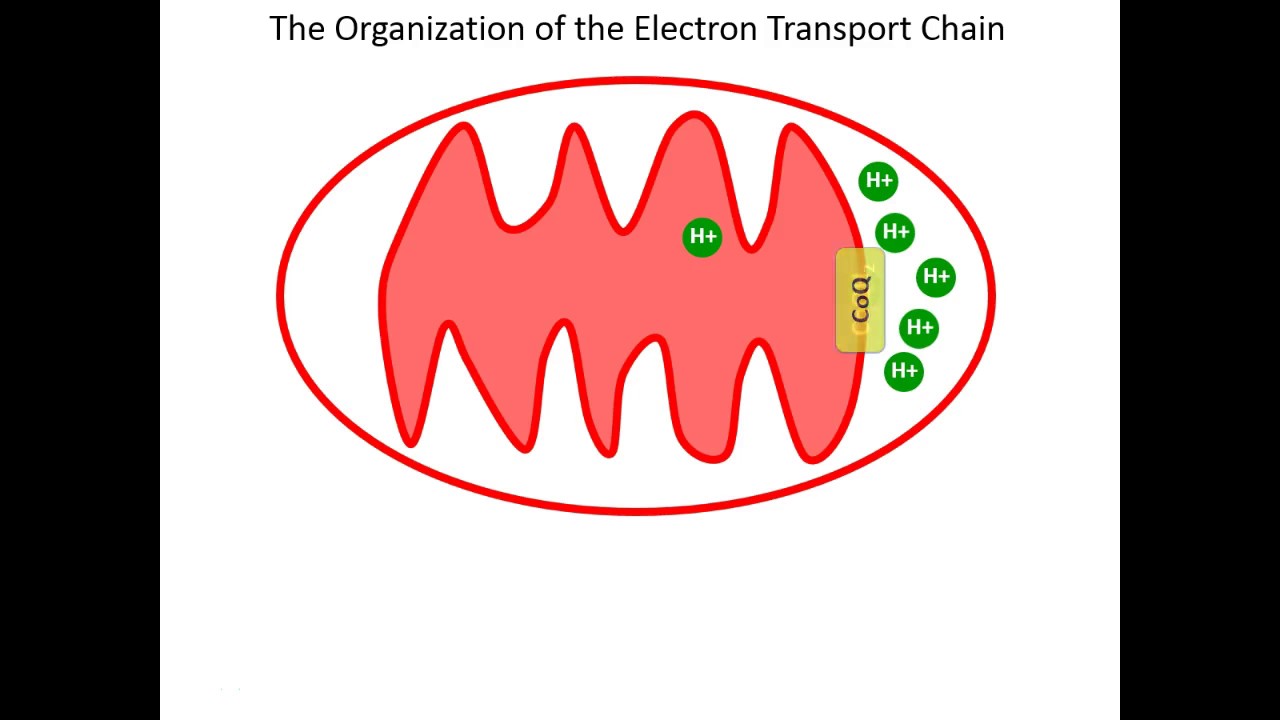
Lecture 15C - The ETC Itself
Keywords
Summary
138 words
Critical Evaluation
The lecture is a comprehensive and pedagogically effective explanation of the electron transport chain. The instructor, Thomas Mennella, demonstrates a deep understanding of the subject and presents the material in a logical sequence, building on previous concepts. The use of analogies, such as the ‘hot potato’ game for electron transfer, aids in conceptualizing complex mechanisms. The content is scientifically accurate, with appropriate emphasis on the role of redox potentials and proton gradients. However, the lecture lacks explicit citations to primary literature, which would enhance its scholarly rigor. The explanation of the Q cycle in Complex III is simplified and acknowledges ongoing research, which is honest but may leave some students wanting more detail. The lecture’s strength lies in its clarity and focus on key concepts, making it suitable for advanced undergraduate students. The title accurately reflects the content, and the lecture fulfills its educational purpose effectively. Overall, it is a valuable resource for learning about the ETC, though it could benefit from references to original research.
166 words
Title / Content Match
The title accurately reflects the content, which focuses on the components and function of the electron transport chain itself.
Quality & Reliability
8/10
The lecture is a detailed educational explanation of the electron transport chain, based on established biochemistry knowledge. The content is accurate and well-structured, but lacks citations to primary sources. The lecturer's expertise is evident, and the explanations are clear, though some simplifications are made for teaching purposes.
Key Moments
Markers derived by PSI from the transcript: the creator did not define chapters.
- Introduction to the electron transport chain and its components.
- Overview of the four respiratory complexes and their location in the inner mitochondrial membrane.
- Detailed explanation of Complex I (NADH-CoQ oxidoreductase) and its role in electron transfer and proton pumping.
- Discussion of proton pumping and the role of iron-sulfur clusters in Complex I.
- Introduction of Complex II (succinate-CoQ oxidoreductase) and its connection to the citric acid cycle.
- Explanation of how electrons from FADH2 enter the chain and the role of cytochromes.
- Complex III and the Q cycle: electron transfer from CoQ to cytochrome c, including the two-electron/one-electron issue.
- Complex IV (cytochrome c oxidase) and the final reduction of oxygen to water.
- Summary of how the proton gradient is established and its importance for ATP synthesis.
Contribution & Novelties
This lecture provides a clear and detailed explanation of the electron transport chain, emphasizing the mechanistic roles of each complex and the importance of proton gradients. It offers a pedagogical approach that simplifies complex concepts without sacrificing accuracy.
Pour aller plus loin :
- Electron transport chain - Wikipedia — Comprehensive overview of the ETC, including diagrams and additional details.
- Mitochondrial oxidative phosphorylation - NCBI Bookshelf — Detailed chapter on oxidative phosphorylation, including the ETC and ATP synthesis.
- The Q cycle - Journal of Biological Chemistry — Research article on the Q cycle mechanism in Complex III.
96 words
Radar Profile
The radar profile shows high scores in information quantity, quality, and reliability, with a slightly lower technical level, indicating a well-balanced educational resource that is both informative and accessible.