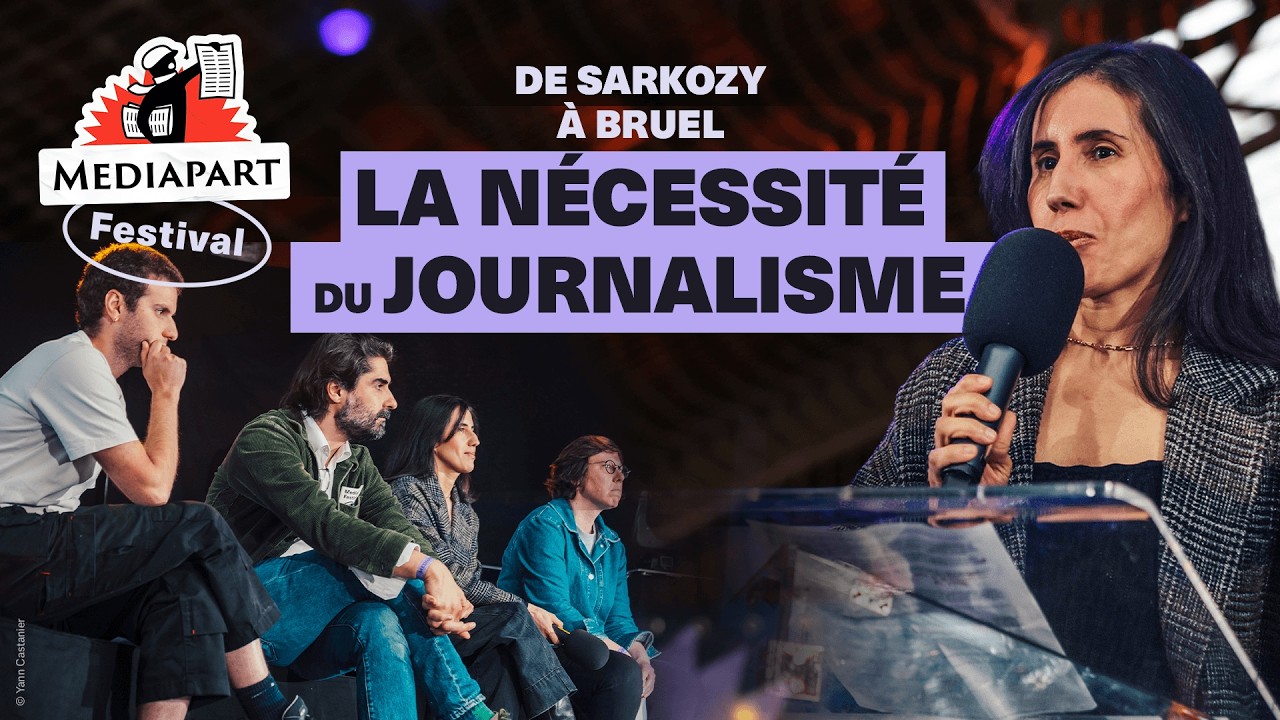
De Sarkozy à Bruel : la nécessité du journalisme
Keywords
Summary
161 words
Critical Evaluation
The video provides a compelling and authentic look into the work of investigative journalists at Mediapart, particularly in covering the far right in France. The strength of the content lies in the personal testimonies of the journalists, which offer a ground-level perspective on the challenges they face, including intimidation, harassment, and the difficulty of obtaining responses from political figures. This firsthand account adds a layer of credibility and humanizes the journalistic process. The argumentation is coherent, emphasizing the necessity of independent journalism in a democracy, especially with the rise of the far right. However, the video is essentially a promotional piece for Mediapart, as it includes calls for subscriptions and donations, which may introduce bias. The sources cited are limited to Mediapart’s own pages, and no external references are provided, which limits the ability to verify the claims independently. The title is apt, as it references both a political figure (Sarkozy) and a celebrity (Bruel), suggesting a broad scope of journalistic coverage. The technical quality is good, with clear audio and video, but the content is not highly technical, making it accessible to a general audience. Overall, the video is valuable for understanding the role of investigative journalism in contemporary France, but its promotional nature and lack of external sources prevent it from being a fully objective analysis.
218 words
Title / Content Match
The title accurately reflects the content, which discusses the necessity of journalism through various investigative stories, including references to Sarkozy and Bruel.
Quality & Reliability
8/10
The video features first-hand accounts from journalists at Mediapart, a reputable investigative outlet. The content is based on their direct experiences and reporting, which adds credibility. However, it is a promotional event for the outlet, so there is potential bias. The sources cited are mainly Mediapart's own subscription and donation pages, not external references.
Key Moments
Markers derived by PSI from the transcript: the creator did not define chapters.
- Introduction by moderator on the political context and the role of Mediapart.
- Youni Kouf describes the challenges of covering the far right, including being ignored by politicians.
- Youni recounts an incident at a far-right rally where he was threatened.
- Discussion of the film project on the far right and call for donations.
- Segment on the trial of Nicolas Sarkozy in the Libyan financing case.
- Other journalists share their investigative stories, including on Sophie the giraffe and the West Bank.
- Q&A session with the audience.
Cited Sources
- Mediapart subscription page — Mentioned in the description as a way to support Mediapart.
- Mediapart donation page — Mentioned in the description as an alternative way to support Mediapart.
- Mediapart newsletter signup — Mentioned in the description for staying updated.
Concurring Sources
- Mediapart's official website — Provides additional context on their investigative work.
Dissenting Sources
- No discordant sources found — No external sources contradicting the content were mentioned or found.
Contribution & Novelties
This video offers a unique insider perspective on the daily work of investigative journalists at Mediapart, particularly in covering the far right. It highlights the personal risks and challenges involved, which is not commonly seen in mainstream media. The call for a film on the far right is an innovative way to reach a broader audience.
Pour aller plus loin :
- Mediapart’s investigative journalism — Official site for more in-depth articles.
- Reporters Without Borders — Organization advocating for press freedom.
- The concept of ‘investigative journalism’ — Wikipedia article on the topic.
91 words
Radar Profile
The radar profile shows high scores in quality and reliability, reflecting the credible nature of the content, but lower scores in technical level and quantity of information, indicating that it is not highly technical and provides a moderate amount of detail.
💬 Très positif. Sur les 30 commentaires analysés, la grande majorité exprime une forte admiration et gratitude envers les journalistes de Mediapart, avec une mention particulière pour le témoignage de Rachida El Azzouzi, perçu comme bouleversant et courageux.