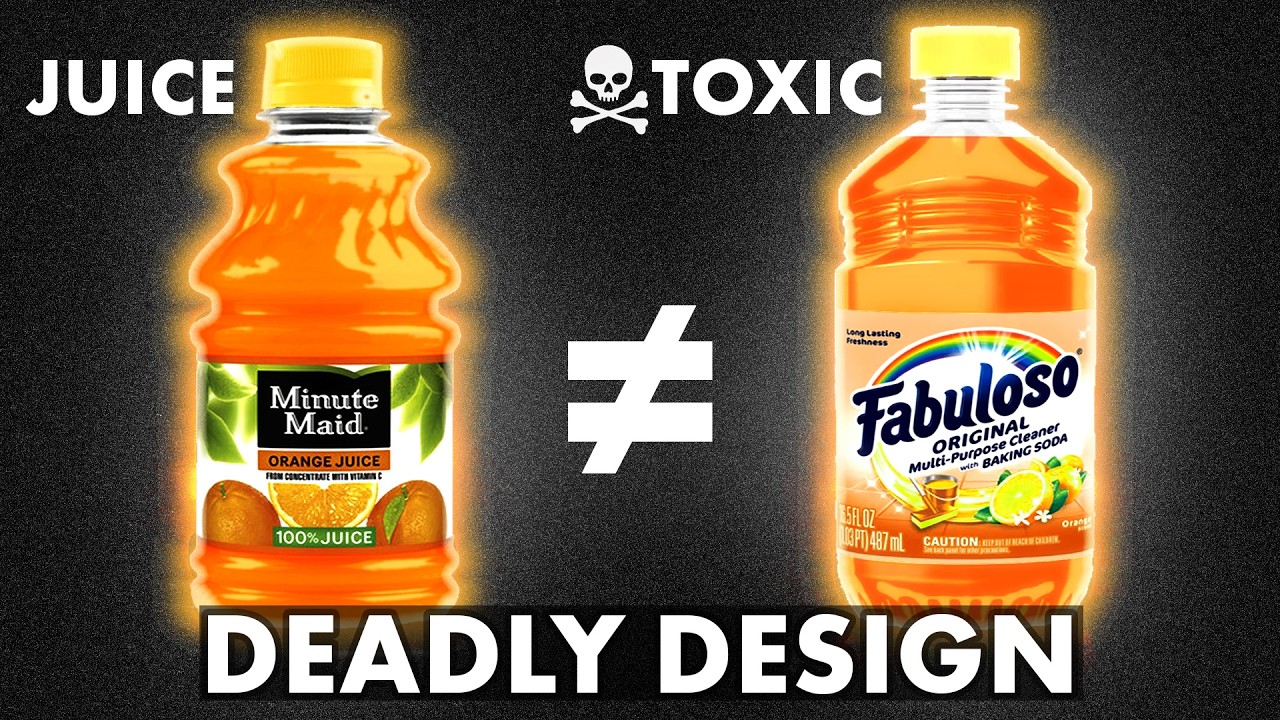
The Deadliest Design Mistakes in History
Keywords
Summary
175 words
Critical Evaluation
Value of the Information & Strength of the Argument
The video provides valuable insights into the importance of human factors in design, using compelling historical examples. The argumentation is persuasive, connecting each case to broader design principles. However, it sometimes oversimplifies complex issues, such as the Ford Pinto cost-benefit analysis, which has been debated. The presenter’s professional background adds credibility, but the lack of formal citations weakens the scientific rigor.
Scientific Rigor, Source Quality, Title Accuracy
The video demonstrates moderate scientific rigor, relying on well-known historical events but without citing specific academic sources. The description includes only a sponsor link and social media, not references. The title accurately reflects the content. The presenter’s expertise in industrial design lends some authority, but the absence of verifiable sources limits the overall reliability.
130 words
Title / Content Match
The title accurately reflects the content, which covers several historical design failures that led to deaths.
Quality & Reliability
7/10
The video presents well-known historical cases with reasonable accuracy, but relies on anecdotal evidence and simplified narratives. It cites no formal sources in the description, and some claims (e.g., Ford Pinto cost-benefit analysis) are debated. The presenter is an experienced industrial designer, adding practical insight, but the content is not peer-reviewed.
Key Moments
Markers derived by PSI from the transcript: the creator did not define chapters.
Cited Sources
- AnyDesk — Sponsor link mentioned in the video
- John Mauriello LinkedIn — Presenter's professional profile
Concurring Sources
- User Friendly — Book referenced in the video, supporting the argument about designing for human error.
Dissenting Sources
- Ford Pinto cost-benefit analysis — Some scholars argue that the cost-benefit analysis attributed to Ford is a myth, and the company did not explicitly calculate the value of human life.
Contribution & Novelties
The video offers a compelling synthesis of well-known design failures, emphasizing the role of human factors and cost-cutting in catastrophic outcomes. It provides a practical perspective from an industrial designer, making the content accessible and engaging. The discussion of modern touchscreens as a contemporary ‘Pinto’ is a novel comparison.
Pour aller plus loin :
- Human factors and ergonomics — Relevant to the design principles discussed.
- Ford Pinto controversy — Provides detailed background on the case.
- Three Mile Island accident — Official overview of the incident.
- Audi 5000 unintended acceleration — Historical context.
- Lawn darts — History and safety issues.
99 words
Radar Profile
The radar profile shows high scores in information quantity and quality, with moderate technical depth and reliability. This indicates a well-researched but not deeply technical presentation, suitable for a general audience interested in design and safety.
💬 The comments are overwhelmingly positive, with viewers appreciating the insightful analysis and engaging storytelling. Many share personal anecdotes and agree with the criticisms of touchscreens and unsafe designs. The tone is enthusiastic and supportive, with a few critical comments about specific details.