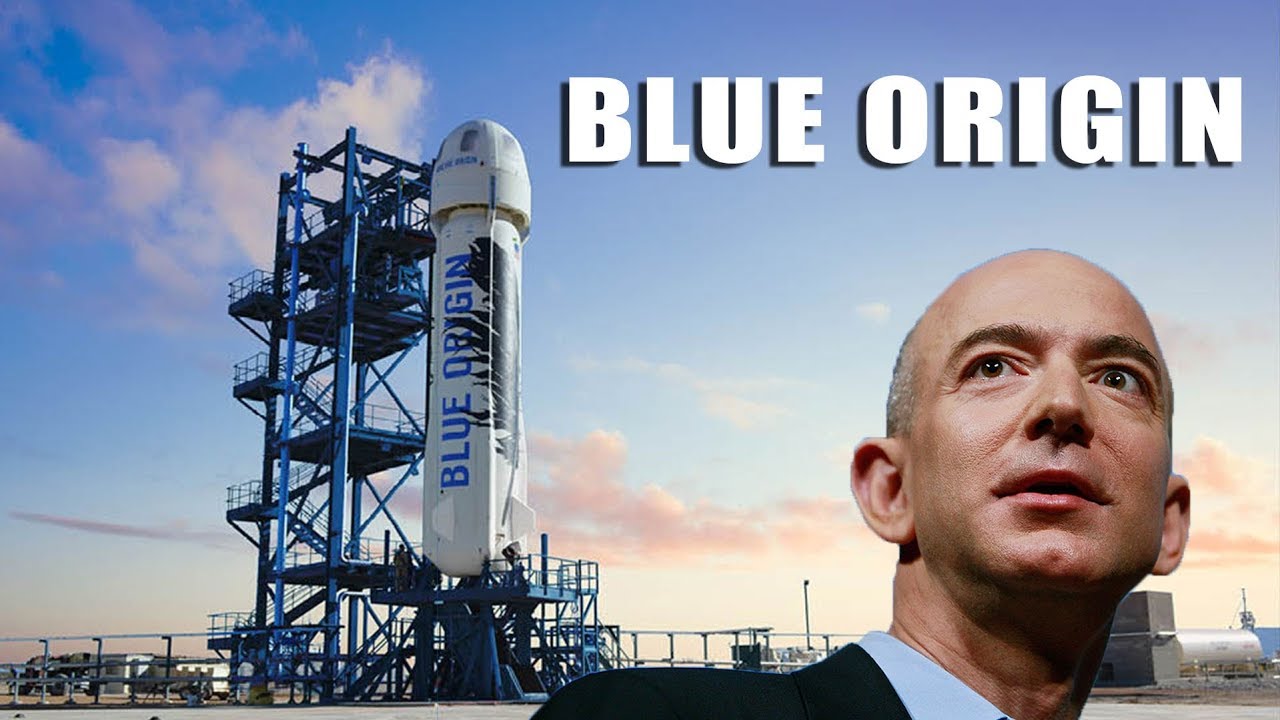
BLUE ORIGIN : la discrète ascension vers les étoiles - LDDE
Keywords
Summary
135 words
Critical Evaluation
Value of the Information & Strength of the Argument
The video provides a valuable synthesis of Blue Origin’s history and technical developments, drawing from official sources and space news. The argumentation is coherent, presenting Blue Origin’s approach as a contrast to SpaceX’s, and emphasizing the role of private investment in space exploration. The narrative is well-structured, moving from historical context to specific projects, and offers a balanced perspective on the company’s achievements and challenges.
Scientific Rigor, Source Quality, Title Accuracy
The video cites several sources, including Space.com, Blue Origin’s official website, and Spaceflight Now, which are credible for space news. The information is generally accurate, though some technical details are simplified for a general audience. The title accurately reflects the content, focusing on Blue Origin’s discreet ascent. The video does not include any advertising segments. The comments are overwhelmingly positive, praising the quality of the content and the narrator’s style.
150 words
Title / Content Match
The title accurately reflects the content: a documentary on Blue Origin's discreet rise, focusing on its history, technology, and strategy.
Quality & Reliability
7/10
The video provides a well-structured historical overview of Blue Origin, relying on official sources and space news outlets. However, some technical details are simplified and the narrative is partly based on the author's interpretation, which limits its scientific depth.
Key Moments
Markers derived by PSI from the transcript: the creator did not define chapters.
- Introduction to the history of private spaceflight and the Commercial Space Launch Act of 1984.
- Founding of Blue Origin by Jeff Bezos in 2000 and his vision for space colonies.
- Early demonstrators Charon and Goddard, and the influence of the Delta Clipper.
- Development of the New Shepard vehicle and its first test flights.
- Introduction of the New Glenn orbital rocket and its specifications.
- Discussion of Blue Origin's long-term strategy and future projects like New Armstrong.
Cited Sources
- Blue Origin: Secretive Private Space Taxi — Source for general information about Blue Origin's secrecy and early history.
- New Shepard — Official Blue Origin page for the New Shepard vehicle.
- Bezos' Blue Origin completes first test flight of New Shepard spacecraft — Source for the first test flight of New Shepard.
Concurring Sources
- Blue Origin: Secretive Private Space Taxi — Corroborates the secretive nature of Blue Origin and its early history.
- New Shepard — Official source confirming the New Shepard vehicle's specifications and missions.
- Bezos' Blue Origin completes first test flight of New Shepard spacecraft — Confirms the first test flight of New Shepard in 2015.
External References
Contribution & Novelties
The video offers a comprehensive and accessible overview of Blue Origin, a company often overshadowed by SpaceX in public discourse. It highlights the company’s unique approach to spaceflight, focusing on suborbital tourism and long-term vision. The documentary provides a clear timeline of Blue Origin’s development, from early demonstrators to the New Shepard and New Glenn, and explains the technical choices made by the company.
Pour aller plus loin :
- Blue Origin official website — Official information on current projects and missions.
- New Shepard on Wikipedia — Detailed technical and historical information on the New Shepard vehicle.
- Commercial Space Launch Act of 1984 — Background on the legislation that enabled private spaceflight in the US.
114 words
Radar Profile
The radar profile shows a balanced performance across all dimensions, with slightly higher scores in information quality and reliability, reflecting the video's solid sourcing and clear presentation. The technical level is moderate, making it accessible to a general audience while still providing substantive content.
💬 Très positif. Sur les 30 commentaires analysés, l'ensemble exprime une admiration pour la qualité de la production, la narration et le travail de recherche, avec des remerciements récurrents et des encouragements à continuer.