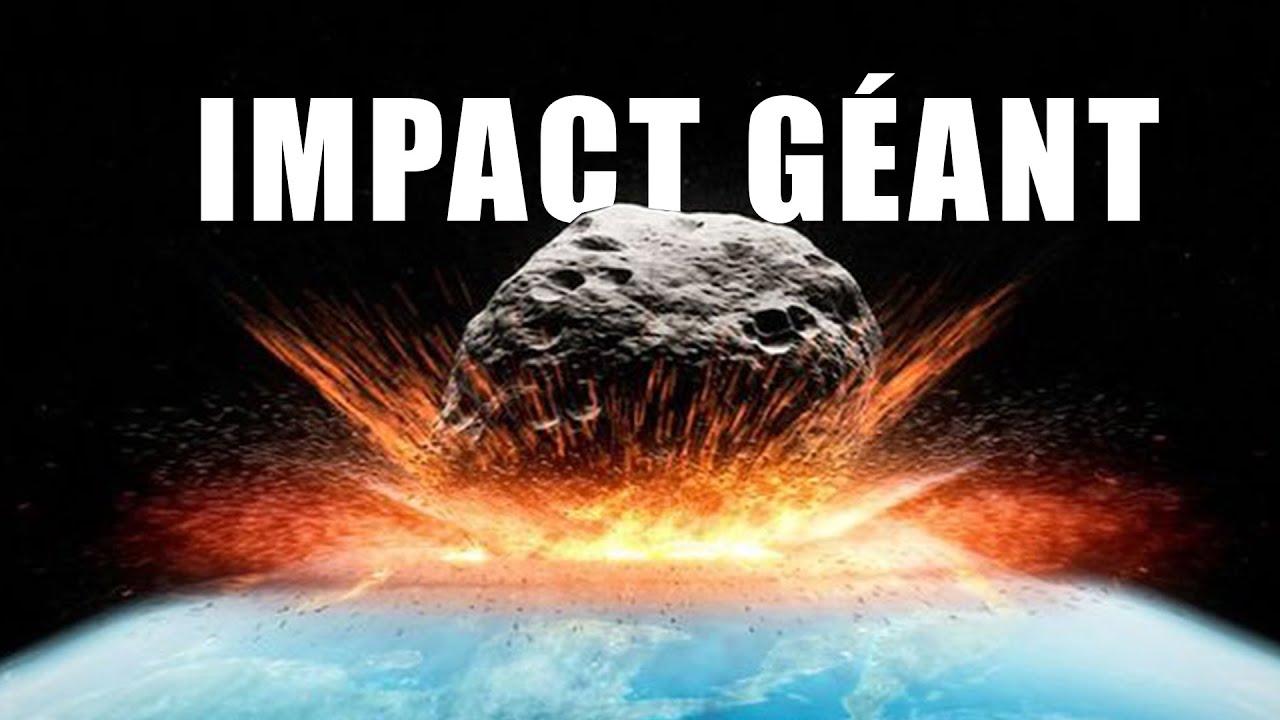
LES PLUS GROS IMPACTS subis par la TERRE ! LDDE
Keywords
Summary
154 words
Critical Evaluation
Value of the Information & Strength of the Argument
The video provides a valuable synthesis of impact cratering on Earth, offering a clear progression from small, recent craters to ancient, massive basins. The argumentation is solid, supported by references to scientific databases and NASA resources. The presenter carefully distinguishes between confirmed craters and those with uncertain origins, such as the Australian and Quebec formations. The explanation of why Earth has fewer visible craters than the Moon is particularly well-argued, covering atmospheric, oceanic, and geological factors. The video also effectively communicates the scale of these events, using comparisons like the energy of thermonuclear weapons. However, some speculative elements, such as the Pacific iridium anomaly, are presented with appropriate caution, acknowledging the lack of definitive evidence. Overall, the information is well-organized and presented in a compelling manner.
Scientific Rigor, Source Quality, Title Accuracy
The video demonstrates strong scientific rigor by citing recognized sources, including the Earth Impact Database, the Lunar and Planetary Institute, and NASA. These sources are reputable and provide a solid foundation for the information presented. The title accurately reflects the content, which focuses on the largest impacts on Earth. The video also includes a brief sponsored segment, which is clearly indicated and does not detract from the scientific content. The presenter maintains a balanced approach, acknowledging uncertainties in dating and origin for some craters. The use of visual aids and animations enhances understanding without compromising accuracy. Overall, the video adheres to high standards of scientific communication.
247 words
Title / Content Match
The title accurately reflects the content, which focuses on the largest asteroid impacts in Earth's history.
Quality & Reliability
8/10
The video presents a well-structured overview of major impact events on Earth, citing recognized databases and NASA resources. The information is generally accurate and up-to-date, though some speculative elements (e.g., the Pacific iridium anomaly) are presented with appropriate caution. The reliance on established sources and the clear distinction between confirmed and hypothetical impacts enhance reliability.
Key Moments
Markers derived by PSI from the transcript: the creator did not define chapters.
- Introduction to the topic and sponsor segment.
- Explanation of why Earth has fewer visible craters than the Moon.
- Discussion of the Moon-forming giant impact hypothesis.
- Presentation of recent small craters, including Wabar and Arizona.
- Overview of larger craters like Bosumtwi and Manicouagan.
- Focus on the Vredefort dome and Chicxulub crater.
- Discussion of possible oceanic impacts and the iridium anomaly.
Cited Sources
- Earth Impact Database — List of confirmed impact craters on Earth.
- Lunar and Planetary Institute - Crater Slidesets — Educational resources on impact craters.
- NASA - Asteroid Day and Impact Craters — NASA feature on impact craters and asteroid awareness.
Concurring Sources
- Earth Impact Database — Confirms the list of impact craters mentioned in the video.
- NASA - Asteroid Day and Impact Craters — Supports the discussion on impact craters and their significance.
Dissenting Sources
- No discordant sources identified — The video aligns with established scientific consensus on impact craters.
External References
Contribution & Novelties
The video offers a comprehensive and accessible overview of Earth’s impact history, synthesizing information from multiple scientific sources. It highlights lesser-known craters and provides context on the challenges of identifying ancient impacts. The presentation is engaging and suitable for a broad audience.
Pour aller plus loin :
- Earth Impact Database — The primary database of confirmed impact craters, useful for further exploration.
- Chicxulub crater — Detailed information on the impact linked to dinosaur extinction.
- Vredefort impact structure — The largest confirmed impact crater on Earth.
85 words
Radar Profile
The radar profile shows high scores in information quantity, quality, and reliability, with a slightly lower technical level, indicating that the video is informative and trustworthy but accessible to a general audience.
💬 Très positif. Sur les 30 commentaires analysés, les spectateurs expriment un fort enthousiasme pour la vidéo, saluant son contenu intéressant et la qualité de la présentation, avec quelques références humoristiques et remerciements.