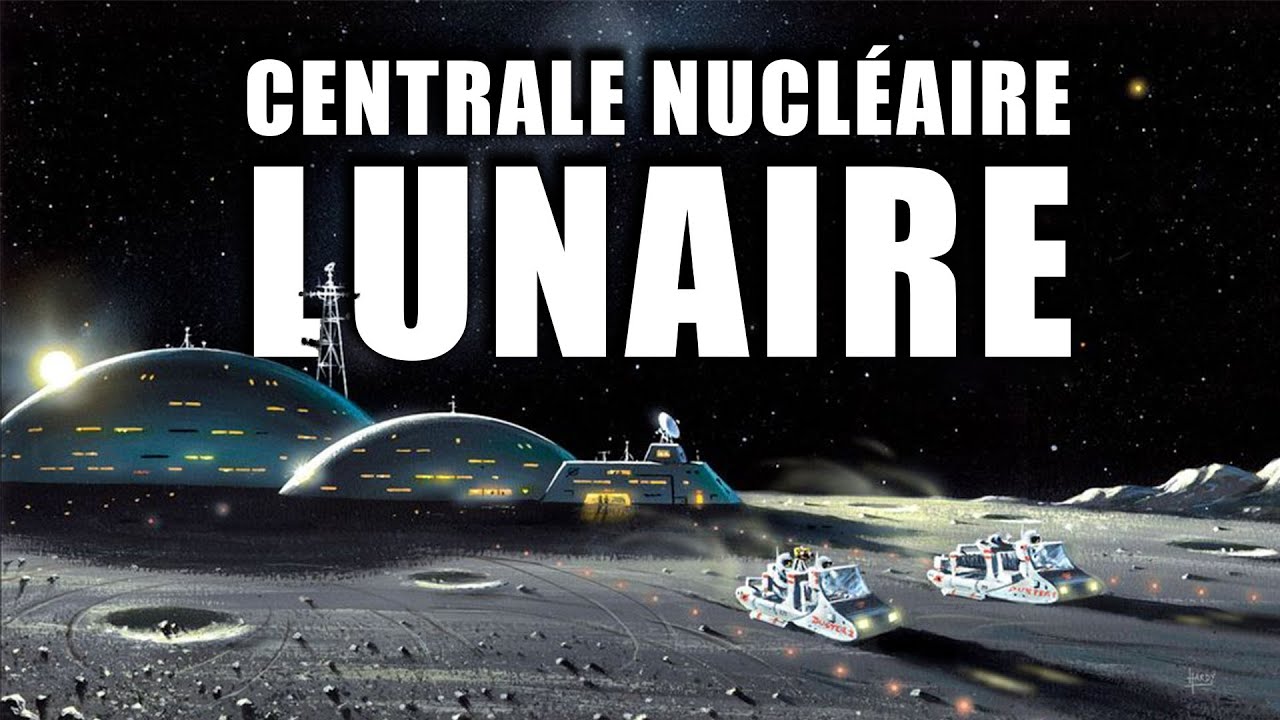
La NASA souhaite installer une centrale NUCLÉAIRE sur la LUNE !
Keywords
Summary
146 words
Critical Evaluation
Value of the Information & Strength of the Argument
The video provides valuable information on the technical aspects of nuclear reactors for space, including the KRUSTY design and its Stirling engine conversion. The argumentation is solid, presenting a balanced view of nuclear vs. solar power and acknowledging challenges such as launch mass and cooling. The comparison with the Chinese megawatt reactor adds perspective, though details are limited. The explanation of how Stirling engines work is clear and accessible.
Scientific Rigor, Source Quality, Title Accuracy
The video cites credible sources: NASA’s KRUSTY design paper, the FSP program page, SpaceNews on the Chinese reactor, and a Phys.org article on lunar soil for thermal storage. These are directly relevant and support the claims. The title accurately reflects the content, focusing on NASA’s plans. The video does not overstate findings and clearly distinguishes between tested technology and future proposals.
145 words
Title / Content Match
The title accurately reflects the content, which focuses on NASA's plans for a lunar nuclear reactor, though it also covers Chinese efforts.
Quality & Reliability
8/10
The video presents a well-structured overview of nuclear power for lunar bases, citing NASA's KRUSTY and FSP programs and a Chinese megawatt reactor. It uses credible sources (NASA, SpaceNews, Phys.org) and clearly distinguishes between demonstrated technology and future plans. Minor simplifications are present but no major inaccuracies.
Key Moments
Markers derived by PSI from the transcript: the creator did not define chapters.
- Introduction to the need for power on the Moon, mentioning Artemis and lunar south pole.
- Overview of KRUSTY project: reactor design, test in 2018, and specifications.
- Explanation of Stirling engines and how they convert heat to electricity.
- Details on the FSP program: three companies selected, 40 kW thermal, 10 kW electric.
- China's megawatt-level reactor announcement and its implications.
- Comparison with solar power, including eternal light peaks and thermal storage using regolith.
Cited Sources
- KRUSTY Reactor Design — Technical paper on the KRUSTY reactor design.
- Fission Surface Power — NASA page describing the FSP project.
- Chinese megawatt-level space nuclear reactor passes review — SpaceNews article on China's reactor.
- Powering the future with lunar soil — Phys.org article on using lunar regolith for thermal storage.
Concurring Sources
- KRUSTY Reactor Design — Supports the technical details of the KRUSTY reactor.
- Fission Surface Power — Confirms the FSP program and its goals.
- Chinese megawatt-level space nuclear reactor passes review — Corroborates the Chinese reactor announcement.
External References
Contribution & Novelties
The video synthesizes recent developments in space nuclear power, particularly NASA’s KRUSTY and FSP programs, and contrasts them with China’s megawatt reactor. It provides a clear explanation of the technical challenges and potential solutions, such as Stirling engines and thermal storage. The comparison with solar power and the discussion of lunar regolith for heat storage offer a comprehensive view of energy options for lunar bases.
Pour aller plus loin :
- Fission Surface Power (NASA) — Official project page with details on the FSP initiative.
- Stirling engine (Wikipedia) — Background on the engine technology used in KRUSTY.
- Lunar south pole (Wikipedia) — Context on the region targeted for bases and its unique lighting conditions.
113 words
Radar Profile
The radar profile shows high scores in information quantity, quality, and reliability, with a slightly lower technical level, indicating a well-researched and accessible presentation. The video balances depth with clarity, making it suitable for a broad audience interested in space technology.
💬 Positive: The 30 comments analyzed are overwhelmingly positive, with viewers praising the video's quality, clarity, and engaging presentation. Several comments express enthusiasm for the topic and ask for more content, while a few engage in technical discussions or humorous remarks.