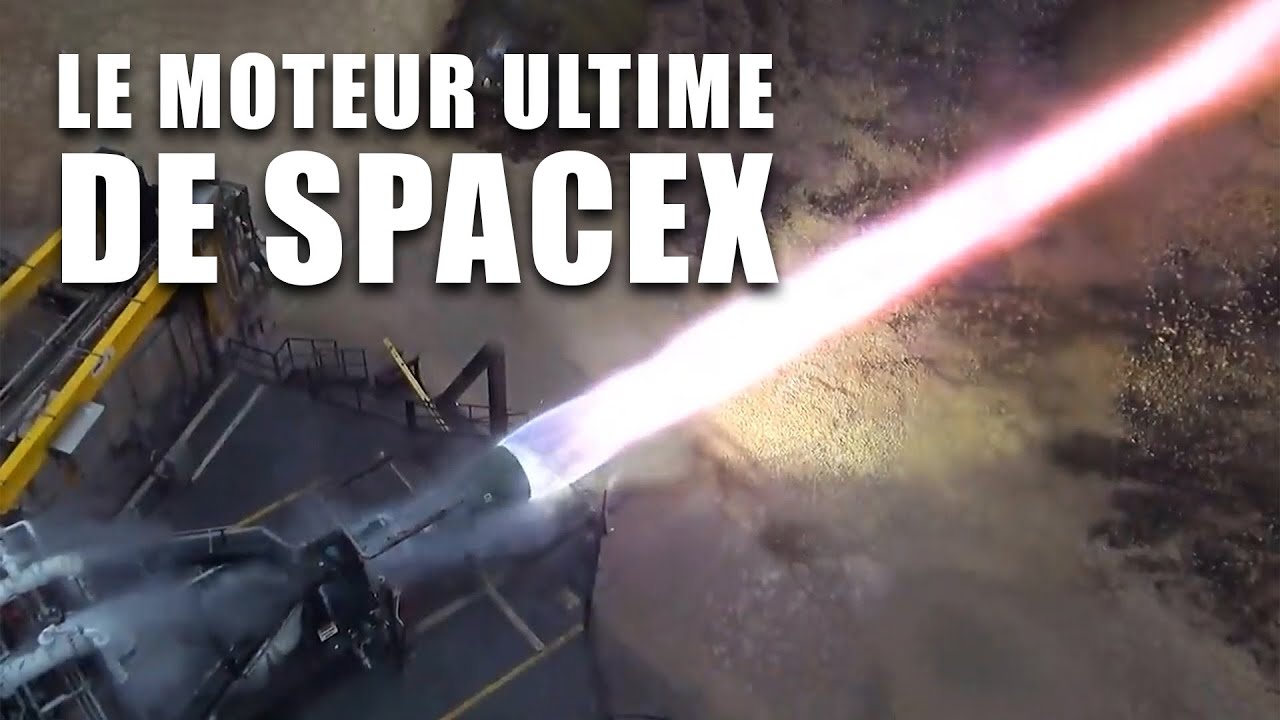
RAPTOR V3 - SpaceX peut-il réussir l'impossible ?
Keywords
Summary
140 words
Critical Evaluation
Value of the Information & Strength of the Argument
The video provides valuable technical insights into the Raptor engine’s design and evolution, with specific data on thrust, pressure, and mass. The argumentation is balanced, acknowledging both the impressive performance gains and the reliability concerns. The comparison with the Merlin engine offers a useful perspective on development trajectories. However, some points rely on speculation, such as the potential mass savings and the reasons for engine failures during the first flight.
Scientific Rigor, Source Quality, Title Accuracy
The video cites sources from Elon Musk’s Twitter and Everyday Astronaut, which are relevant and credible for space enthusiasts. The title accurately reflects the content. The discussion is scientifically grounded, but the lack of peer-reviewed sources and reliance on company statements slightly reduces the overall rigor. The video does not address the potential impact of debris from the launch pad on engine failures, which is a notable omission given the comments.
156 words
Title / Content Match
The title accurately reflects the content, focusing on the Raptor V3 and the challenges SpaceX faces in achieving high performance and reliability.
Quality & Reliability
7/10
The video provides a detailed and structured overview of the Raptor engine's evolution, with specific technical data and references to public sources. However, some claims are based on speculation and unverified statements from Elon Musk, and the reliability of the engine is discussed with limited empirical data.
Key Moments
Markers derived by PSI from the transcript: the creator did not define chapters.
- Introduction to the Raptor engine and its importance for Starship.
- Overview of the Raptor's history and choice of methane as fuel.
- Explanation of the full-flow staged combustion cycle.
- Discussion of the first integrated flight and reliability issues.
- Comparison between Raptor V1 and V2 specifications.
- Introduction of Raptor V3 and its test results.
- Potential mass savings through integrated design.
- Challenges of balancing power and reliability for crewed missions.
- Comparison with Merlin engine development.
- Economic considerations and production cost targets.
Cited Sources
- SpaceX Raptor Engine Comparison — Detailed comparison of Raptor 1 and Raptor 2 specifications.
- Elon Musk on Twitter — Tweet about Raptor V3 test results.
- Elon Musk on Twitter — Tweet about Raptor V3 performance.
Concurring Sources
- Everyday Astronaut Raptor Comparison — Provides technical data consistent with the video's claims about Raptor V1 and V2.
Dissenting Sources
- NASA Spaceflight Forum — Some forum discussions suggest that the engine failures during the first flight may have been caused by debris from the launch pad, which the video does not address.
External References
Contribution & Novelties
The video provides a concise and accessible update on the Raptor V3, highlighting its potential performance and design changes. It contextualizes the engine’s development within SpaceX’s broader goals for Starship and lunar missions.
Pour aller plus loin :
- Full-flow staged combustion cycle — Explains the engine cycle used by Raptor.
- SpaceX Starship — Overview of the Starship system and its development.
- Raptor rocket engine — Detailed article on the Raptor engine’s history and specifications.
74 words
Radar Profile
The radar profile shows high scores in information quantity and technical level, indicating a content-rich video with good depth. The quality and reliability scores are slightly lower, reflecting the speculative nature of some claims and the reliance on company statements.
💬 Équilibré. Sur les 30 commentaires analysés, les spectateurs expriment un mélange d'enthousiasme pour les progrès de SpaceX et de prudence quant à la fiabilité du Raptor, avec plusieurs mentions de l'impact potentiel des débris du pas de tir sur les défaillances moteur.