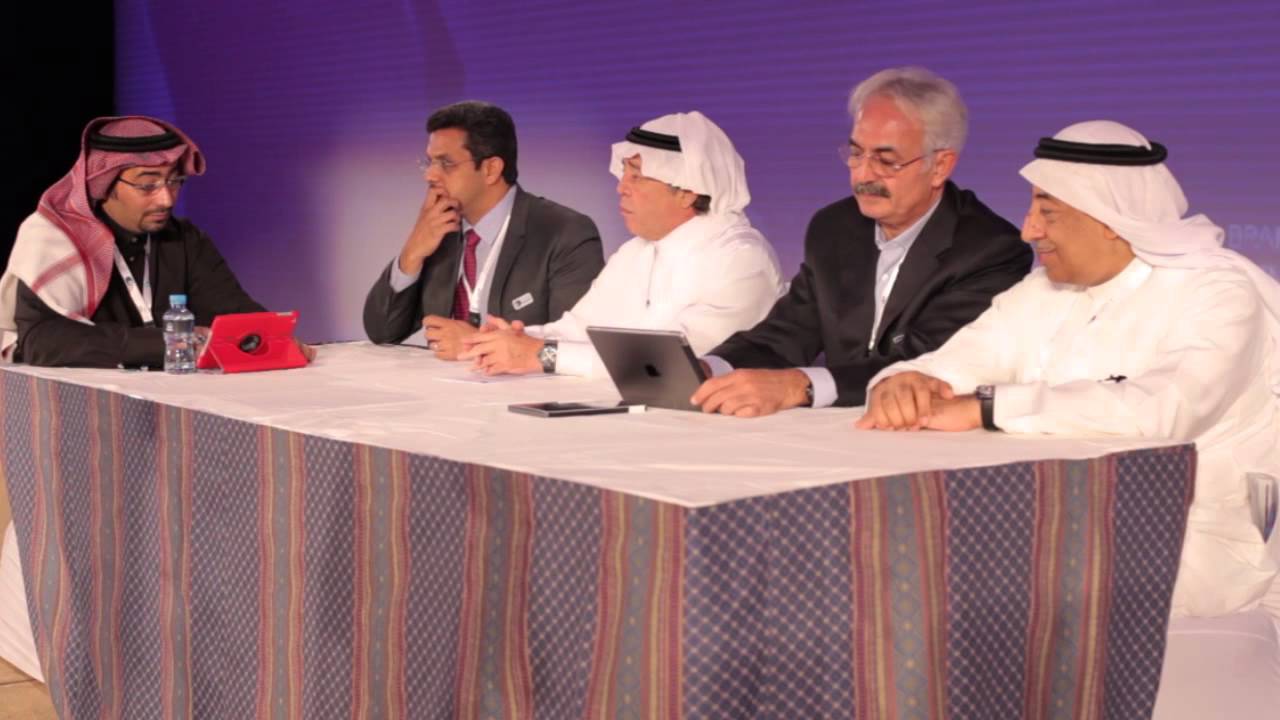
مناقشة خاصة في منتدى الدماغ
Keywords
Summary
200 words
Critical Evaluation
Value of the Information & Strength of the Argument
The video provides valuable insights into the current state and future of neurological disorder management, emphasizing the role of technology. The experts argue convincingly for the adoption of cloud computing and mobile devices to reduce costs and improve efficiency in EEG analysis, supported by a concrete example. The discussion also highlights the importance of public education and interdisciplinary research. However, the argumentation is largely anecdotal and lacks rigorous scientific evidence, relying on personal experience and general statements.
Scientific Rigor, Source Quality, Title Accuracy
The scientific rigor is moderate; the experts are credible but do not cite specific studies or sources. The video is an interview, so it lacks formal citations. The title accurately reflects the content as a special discussion at the Brain Forum. The description provides links to the forum’s website and social media, which are relevant but not directly to cited sources.
153 words
Title / Content Match
The title indicates a special discussion at the Brain Forum, which matches the content of an interview with experts.
Quality & Reliability
7/10
The video features expert opinions from medical and technology professionals discussing neurological disorders and technological solutions. The content is credible but lacks detailed citations and is primarily conversational.
Key Moments
Markers derived by PSI from the transcript: the creator did not define chapters.
- Introduction of guests and topic
- Discussion on treatment advances for epilepsy, Alzheimer's, and Parkinson's
- Dr. Juffali explains the mission of W Science and the Brain Forum
- Dr. Bohlega discusses epilepsy treatment in Saudi Arabia
- Dr. El-Imad talks about cloud computing and EEG analysis
- Dr. Lashuel emphasizes the need for public education and Arabic content
- Discussion on interdisciplinary collaboration and young researchers
- Commitment to translate content and share presentations online
Cited Sources
- The Brain Forum official website — Mentioned in the video description as the official site for the forum.
- The Brain Forum Twitter — Mentioned in the video description as a social media channel.
- The Brain Forum Facebook — Mentioned in the video description as a social media channel.
Concurring Sources
- The Brain Forum official website — The forum's official site, which likely contains more information about the event and topics discussed.
Contribution & Novelties
The video provides a unique perspective on the application of cloud computing and mobile technology to neurological diagnostics, specifically EEG analysis, with a concrete example of a 7-hour process reduced to 3 minutes. It also highlights the need for Arabic-language resources and public education in the Middle East.
Pour aller plus loin :
- Cloud computing in healthcare — Overview of cloud computing and its applications.
- Electroencephalography (EEG) — Background on EEG and its clinical use.
- Neurological disorders — WHO page on neurological disorders, relevant to the discussion.
87 words
Radar Profile
The radar profile shows high scores in information quantity and quality, with moderate technical level and reliability. This indicates a balanced but not deeply technical discussion, suitable for a general audience interested in neuroscience and technology.