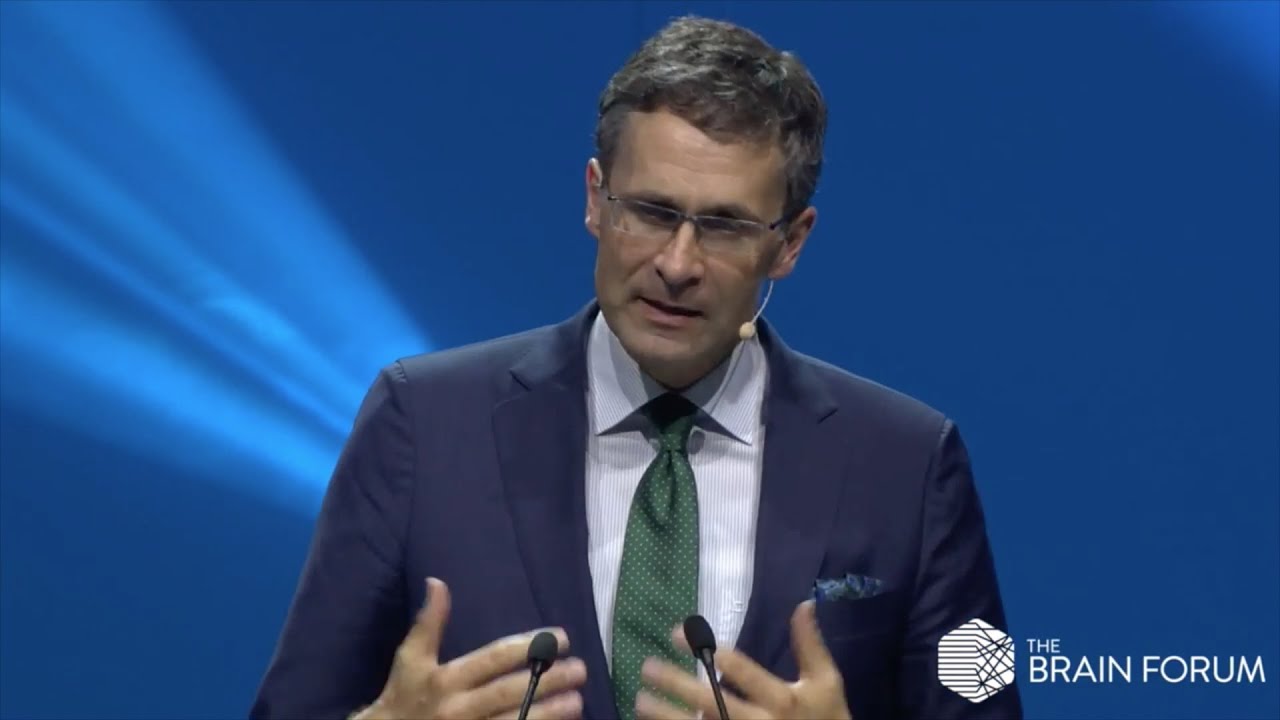
Social risk for mental illness: brain to prevention
Keywords
Summary
131 words
Critical Evaluation
Value of the Information & Strength of the Argument
The talk provides valuable insights into the neural correlates of social risk factors for mental illness, synthesizing epidemiological and neuroimaging evidence. The argumentation is solid, building from established findings to propose novel research directions. The speaker effectively communicates complex concepts, though some claims could benefit from more detailed citations.
Scientific Rigor, Source Quality, Title Accuracy
The talk demonstrates scientific rigor, referencing key studies and data. The speaker is a recognized expert, and the content aligns with current literature. The title accurately reflects the content. No comments were provided for analysis.
99 words
Title / Content Match
The title accurately reflects the content, which focuses on social risk factors for mental illness and the potential for prevention through brain-based insights.
Quality & Reliability
8/10
The talk is based on established epidemiological findings and neuroimaging studies, presented by a leading expert in the field. The speaker cites specific studies and data, and the content aligns with current scientific consensus. However, as a conference presentation, it lacks detailed methodological descriptions and peer-reviewed references in the transcript.
Key Moments
Markers derived by PSI from the transcript: the creator did not define chapters.
- Introduction to the importance of prevention and the role of environment in mental illness.
- Discussion of social risk factors for schizophrenia, highlighting city living and urban birth.
- Explanation of fMRI study showing amygdala reactivity in city dwellers and regulatory region affected by urban birth.
- Proposal to use mobile sensing to identify specific urban stressors and the potential for prevention.
- Discussion of prosocial hormones like oxytocin and their role in social circuits, suggesting therapeutic avenues.
- Conclusion emphasizing multiple prevention strategies and the integration of molecular and psychotherapeutic approaches.
Cited Sources
- The Brain Forum Website — Mentioned in the video description as the official website for the event.
Concurring Sources
- Meyer-Lindenberg et al. (2011) - Neural correlates of social exclusion — Related to the speaker's research on social stress and brain function.
Contribution & Novelties
The talk offers a comprehensive overview of social risk factors for mental illness and their neural correlates, proposing innovative methods like mobile sensing for ecological validity. It bridges epidemiology and neuroscience, suggesting actionable prevention strategies.
Pour aller plus loin :
- Social neuroscience — Relevant for understanding the neural basis of social interactions.
- Oxytocin — Discussed as a prosocial hormone with therapeutic potential.
- Urbanization and mental health — WHO resource on mental health and urban environments.
75 words
Radar Profile
The radar profile shows high scores in information quantity, quality, and technical level, with slightly lower but still strong reliability. This indicates a well-informed and technically sound presentation, though the lack of detailed citations slightly reduces reliability.