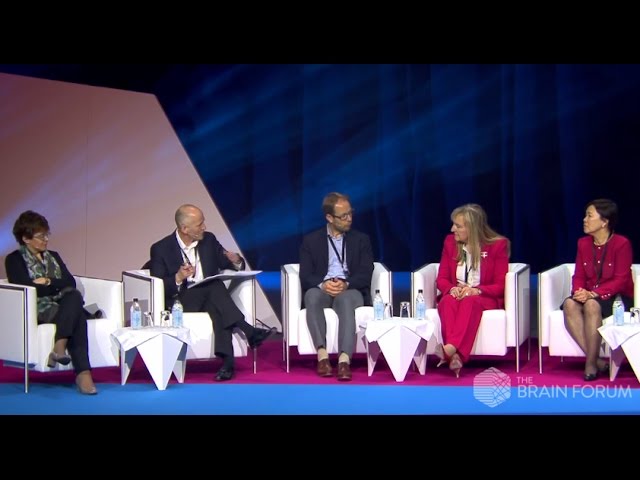
21st century challenge: neurodegeneration
Keywords
Summary
130 words
Critical Evaluation
Value of the Information & Strength of the Argument
The discussion provides valuable insights into the current state of research on neurodegenerative diseases. The panelists present diverse perspectives, from stem cell biology to drug development and aging research. The argumentation is generally solid, based on scientific evidence and clinical data, though some claims are speculative. The value lies in the expert opinions and the synthesis of different approaches, which can inform future research directions.
Scientific Rigor, Source Quality, Title Accuracy
The scientific rigor is high, as the panelists are established researchers and industry leaders. They reference specific studies and data, such as recent clinical trials and imaging studies. However, the discussion is not heavily cited, and some statements are based on personal experience or unpublished data. The title accurately reflects the content, which addresses the challenges of neurodegeneration. The sources are not explicitly listed, but the panelists’ affiliations and the context of The Brain Forum lend credibility.
157 words
Title / Content Match
The title accurately reflects the content, which addresses the challenges of neurodegeneration in the 21st century.
Quality & Reliability
8/10
The video features a panel of renowned scientists and biotech leaders discussing current challenges and potential therapies for neurodegenerative diseases. The content is based on expert opinions and recent research findings, but lacks detailed citations and peer-reviewed references. The discussion is scientifically informed but not exhaustive.
Key Moments
Markers derived by PSI from the transcript: the creator did not define chapters.
- Introduction of the panel and the topic of neurodegeneration.
- Elena Cattaneo discusses stem cell transplantation in Parkinson's and Huntington's diseases.
- Discussion on the aging of stem cells in vitro and potential solutions.
- Andrea Pfeifer talks about anti-amyloid antibodies and the role of amyloid beta in Alzheimer's.
- Tony Wyss-Coray presents his work on heterochronic parabiosis and aging factors.
- Nancy Ip discusses the role of EphA4 in Alzheimer's and synaptic dysfunction.
- Audience questions on glutathione, bilingualism, and protein aggregation.
- Concluding remarks on the challenges and future directions.
Cited Sources
- The Brain Forum — Official website of the event, providing context and information about the forum.
Concurring Sources
- Alzheimer's Association — Provides information on Alzheimer's disease and current research, consistent with the discussion.
Dissenting Sources
- Amyloid hypothesis controversy — Some researchers question the amyloid hypothesis, which is a central theme in the discussion.
Contribution & Novelties
The video provides a unique synthesis of expert opinions on neurodegeneration, highlighting the latest research and therapeutic strategies. It emphasizes the importance of early intervention and the potential of stem cell transplantation and anti-amyloid therapies. The discussion also introduces the concept of biological age and its relevance to Alzheimer’s disease.
Pour aller plus loin :
- Alzheimer’s disease — Overview of the disease, its pathology, and current research.
- Stem cell therapy — General information on stem cell therapies and their applications.
- Amyloid beta — Details on the amyloid beta peptide and its role in Alzheimer’s.
- Tau protein — Information on tau protein and its involvement in neurodegenerative diseases.
- Heterochronic parabiosis — Explanation of the technique used to study aging factors.
119 words
Radar Profile
The radar profile shows high scores in quality of information and reliability, reflecting the expertise of the panelists. The quantity of information is moderate, as the discussion is limited to 20 minutes. The technical level is high, suitable for an informed audience.
💬 No comments were provided for analysis.