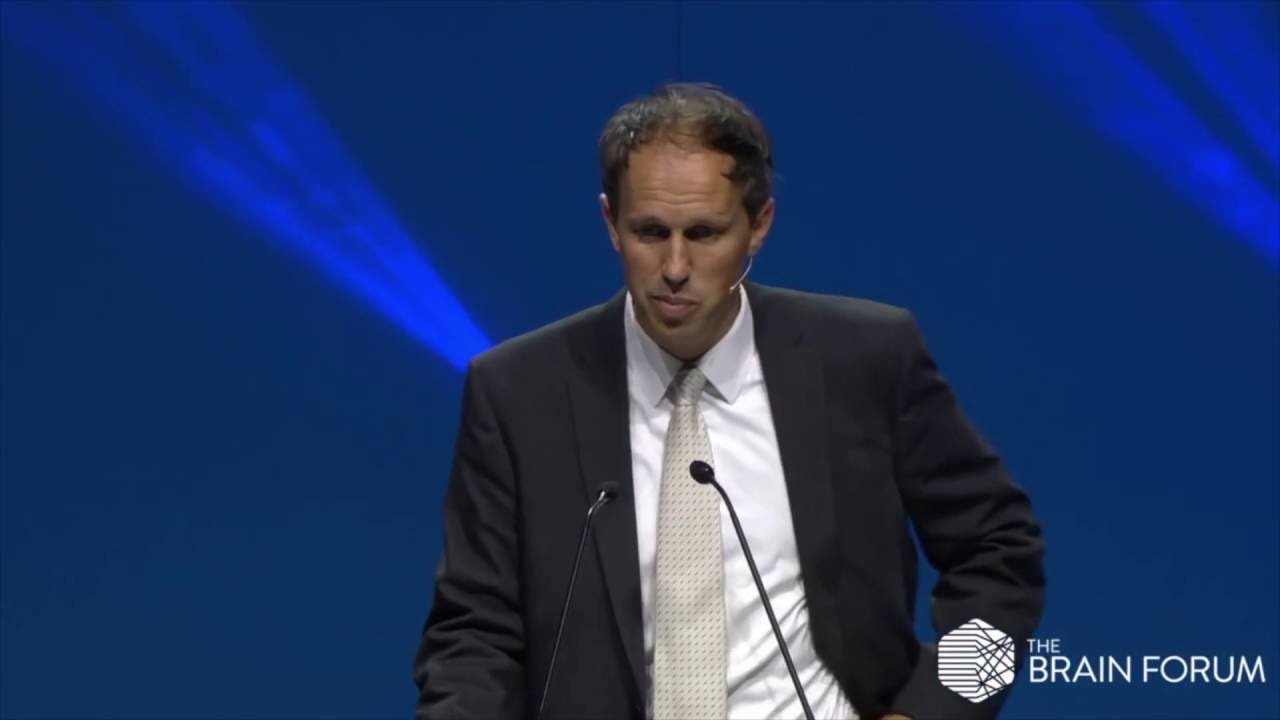
Novel therapeutic nutrition, Dr Gene Bowman
Keywords
Summary
166 words
Critical Evaluation
Value of the Information & Strength of the Argument
The talk provides valuable insights into the potential of nutritional interventions for brain health, supported by data from observational studies and ongoing trials. The argumentation is solid, building on established risk factors and presenting novel biomarker patterns. However, some claims are based on unpublished data, and the speaker does not discuss limitations or potential conflicts of interest extensively.
Scientific Rigor, Source Quality, Title Accuracy
The speaker cites several studies, including a paper in Nature and the Oregon Brain Aging Study, and mentions ongoing trials. The title accurately reflects the content. The talk is a conference presentation, so it lacks the rigor of a peer-reviewed publication, but the speaker’s expertise and the inclusion of specific data enhance credibility.
126 words
Title / Content Match
The title accurately reflects the content, which focuses on novel therapeutic nutrition approaches for brain health and Alzheimer's disease.
Quality & Reliability
8/10
The speaker is a recognized expert in nutrition and Alzheimer's disease, and the talk presents data from published studies and ongoing clinical trials. However, some claims are based on unpublished results and the presentation is a conference talk, not a peer-reviewed publication.
Key Moments
Markers derived by PSI from the transcript: the creator did not define chapters.
- Introduction and overview of Nestlé Institute of Health Sciences
- Discussion on cognitive aging and heterogeneity
- Risk factors and genetics of Alzheimer's disease
- Research framework and preclinical models
- Blood-brain barrier study and biomarker discovery
- Oregon Brain Aging Study and nutrient biomarker patterns
- Ongoing trials and conclusion
Cited Sources
- Nature paper on biological targets — Mentioned as recently published in Nature
- Oregon Brain Aging Study — Longitudinal cohort study used for nutrient biomarker analysis
- MIND trial — Largest dietary intervention to prevent cognitive decline
- NIMAKER3 trial — Targeted intervention on omega-3 and white matter lesions
Concurring Sources
- MIND diet and cognitive decline — Supporting evidence for dietary interventions in cognitive health.
Dissenting Sources
- Nutrition and Alzheimer's disease: conflicting results — Some studies have not found significant effects of nutritional supplements on cognitive decline.
Contribution & Novelties
The talk presents novel findings on the association between nutrient biomarker patterns and brain health, particularly the protective effect of a combination of B vitamins, vitamin C, D, and E, and the detrimental effect of trans fats. It also highlights the potential of blood-brain barrier biomarkers for early diagnosis. The speaker emphasizes a multi-target approach combining micronutrients and drugs.
Pour aller plus loin :
- Alzheimer’s disease — Overview of the disease.
- Omega-3 fatty acid — Relevant to the NIMAKER3 trial.
- Blood-brain barrier — Key concept in the talk.
88 words
Radar Profile
The profile shows high scores in information quantity, quality, and technical level, with a slightly lower but still high reliability score. This indicates a technically detailed and informative talk with credible sources, though some claims are based on unpublished data.