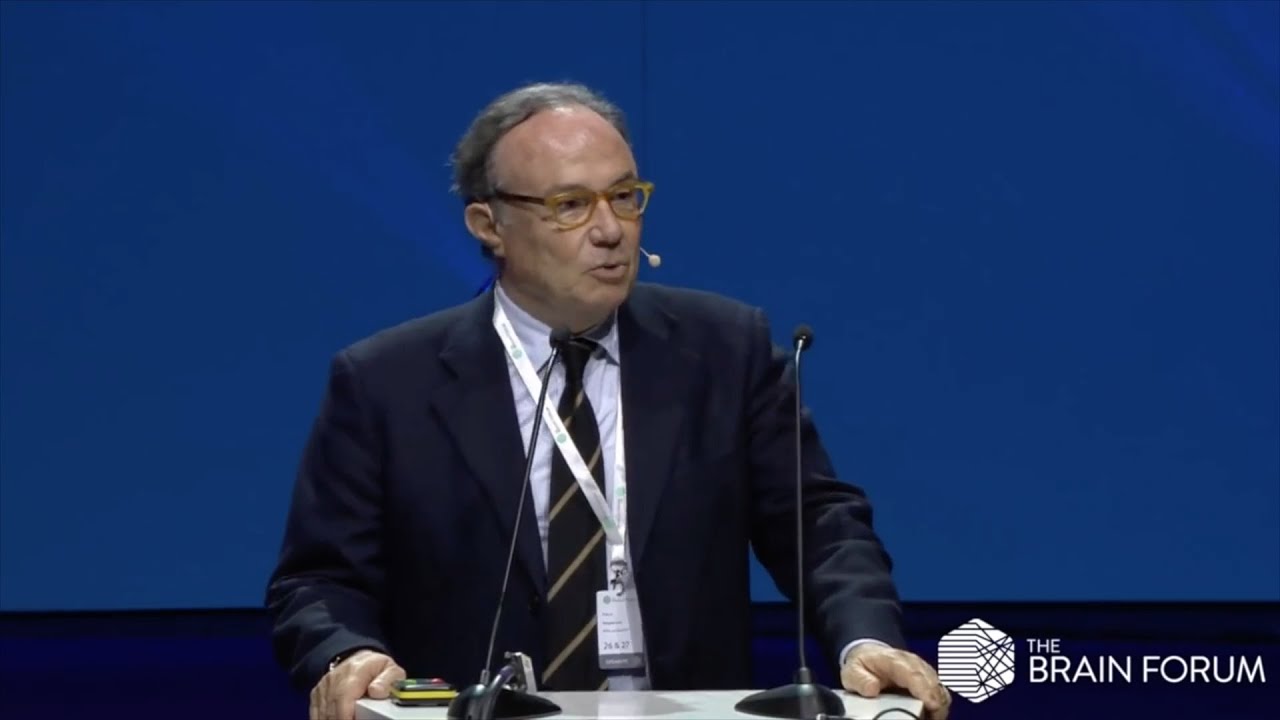
NCCR Synapsy, The synaptic bases of mental dieseas
Keywords
Summary
139 words
Critical Evaluation
Value of the Information & Strength of the Argument
The talk provides a valuable overview of the rationale behind integrating neuroscience and psychiatry, emphasizing the need for early diagnosis and collaborative research. The argumentation is coherent and based on the speaker’s extensive experience and the NCCR Synapsy initiative. However, it lacks specific data or detailed examples, and the argumentation is more descriptive than evidence-based.
Scientific Rigor, Source Quality, Title Accuracy
The speaker is a credible expert, and the content aligns with established scientific initiatives. The title accurately reflects the content. The talk does not cite specific sources, but references the NCCR Synapsy program and general scientific knowledge. The description provides context about the speaker and the event, but no direct links to research papers.
124 words
Title / Content Match
The title accurately reflects the content, focusing on the synaptic basis of mental diseases as addressed by the NCCR Synapsy initiative.
Quality & Reliability
7/10
The speaker is a prominent neuroscientist and dean at KAUST and EPFL, providing expert opinion on the integration of neuroscience and psychiatry. The content is based on established research initiatives (NCCR Synapsy) and general scientific knowledge, but lacks detailed citations or data. The talk is a high-level overview rather than a rigorous scientific presentation.
Key Moments
Markers derived by PSI from the transcript: the creator did not define chapters.
- Introduction to the session on mental health challenges and opportunities.
- Discussion of the progress in neuroscience and the gap in translating knowledge to psychiatric care.
- Introduction of NCCR Synapsy and its mission to study synaptic bases of mental diseases.
- Explanation of the NCCR initiative and its goals to promote scientific excellence and societal impact.
- Emphasis on the need for early diagnosis and the potential of endophenotypes in psychiatric research.
- Conclusion on the importance of bridging neuroscience and psychiatry for better patient care.
Cited Sources
- NCCR Synapsy — Mentioned as the initiative focused on the synaptic basis of mental diseases.
Concurring Sources
- World Health Organization: Mental disorders — Provides statistics on the global burden of mental disorders, supporting the talk's emphasis on the importance of addressing mental health.
Contribution & Novelties
The talk provides a clear argument for integrating neuroscience into psychiatry, emphasizing the need for early diagnosis and collaborative research. It highlights the NCCR Synapsy as a model for such integration.
Pour aller plus loin :
- Endophenotype — Relevant to the concept of characterizing patients for research.
- Neuroplasticity — Related to the brain’s ability to adapt, relevant to potential treatments.
- Psychiatric genomics — Discusses genetic approaches to mental disorders, complementing the talk’s themes.
73 words
Radar Profile
The radar profile shows moderate scores across all dimensions, indicating a balanced but not highly technical presentation. The talk is informative and credible but lacks depth in technical details and specific data.
💬 No comments were provided for analysis.