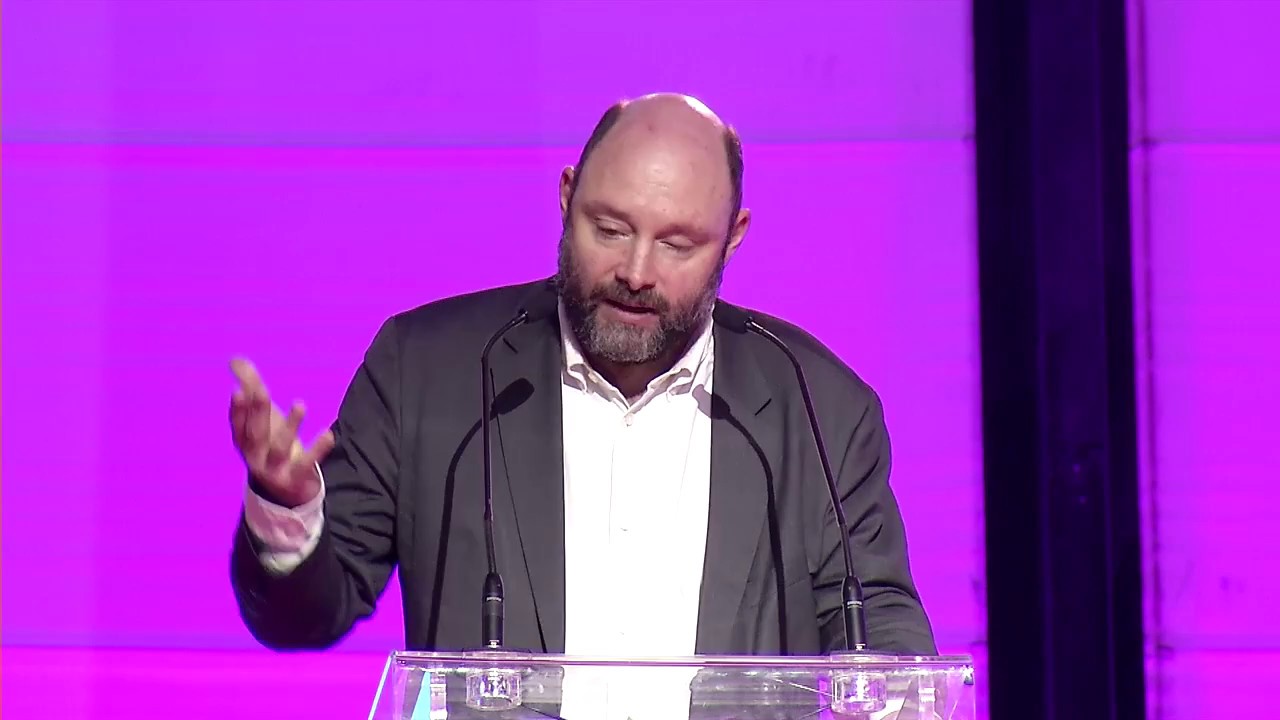
Laurent Bibard - Complexité et simplicité : quels enjeux ? - Campus de l'Innovation Managériale
Keywords
Summary
141 words
Critical Evaluation
Value of the Information & Strength of the Argument
The talk provides valuable insights into the philosophical and practical aspects of complexity in management. Bibard’s argument is well-structured, moving from abstract definitions to a concrete case study. He effectively uses the flight 1549 example to illustrate how complexity can be managed through teamwork and clear communication. The argumentation is solid, though it relies more on anecdotal evidence and philosophical reasoning than empirical data. The speaker’s expertise adds credibility, but the lack of citations weakens the scientific rigor.
Scientific Rigor, Source Quality, Title Accuracy
The talk is scientifically rigorous in its conceptual framework, drawing on philosophical traditions and the work of Edgar Morin. However, it does not cite specific academic sources, relying instead on general knowledge and the speaker’s authority. The title accurately reflects the content, which is a philosophical exploration of complexity and simplicity. The description mentions the event and the organizer, but no external sources are provided. The speaker’s credentials and the real-world example enhance the reliability, but the absence of formal references limits its scientific rigor.
178 words
Title / Content Match
The title accurately reflects the content, which explores the tension between complexity and simplicity in management contexts.
Quality & Reliability
8/10
The speaker is a professor of philosophy and economics, holder of the Edgar Morin Chair of Complexity at ESSEC. The talk is well-structured, draws on a real case (US Airways Flight 1549) and references philosophical concepts. However, it is an opinion/expert talk without formal citations or peer-reviewed sources.
Key Moments
Markers derived by PSI from the transcript: the creator did not define chapters.
- Introduction by the event organizer, welcoming attendees and introducing the theme.
- Bibard begins his talk, defining complexity and its characteristics.
- Discussion on the human desire for simplicity and the tension with complexity.
- Introduction of the US Airways Flight 1549 case as an example.
- Analysis of the flight case and lessons for management.
- Conclusion and final thoughts on managing complexity.
Cited Sources
- Institut de la sociodynamique — Organizer of the event, mentioned in the description.
- LinkedIn page of Institut de la sociodynamique — Mentioned in the description as a way to follow the institute.
Concurring Sources
- Edgar Morin's work on complexity — The talk is inspired by Morin's ideas, and the chair is named after him.
Contribution & Novelties
The talk offers a philosophical perspective on complexity management, emphasizing the psychological tension between the need for simplicity and the reality of complexity. It provides a practical example (Flight 1549) to illustrate how this tension can be managed. The novelty lies in framing complexity as a dual challenge: not only dealing with complex situations but also resisting the temptation to oversimplify. The speaker’s background in philosophy adds depth to the discussion, which is often dominated by technical or managerial approaches.
Pour aller plus loin :
- Edgar Morin — French philosopher known for his work on complexity theory, directly relevant to the talk’s theme.
- Complexity theory and organizations — Overview of how complexity theory applies to management.
- US Airways Flight 1549 — Detailed account of the incident used as a case study.
131 words
Radar Profile
The radar profile shows high scores in information quality and reliability, reflecting the speaker's expertise and the well-structured argument. The lower score in technical level indicates that the talk is accessible to a general audience, while the moderate quantity of information suggests a focused but not exhaustive treatment of the topic.