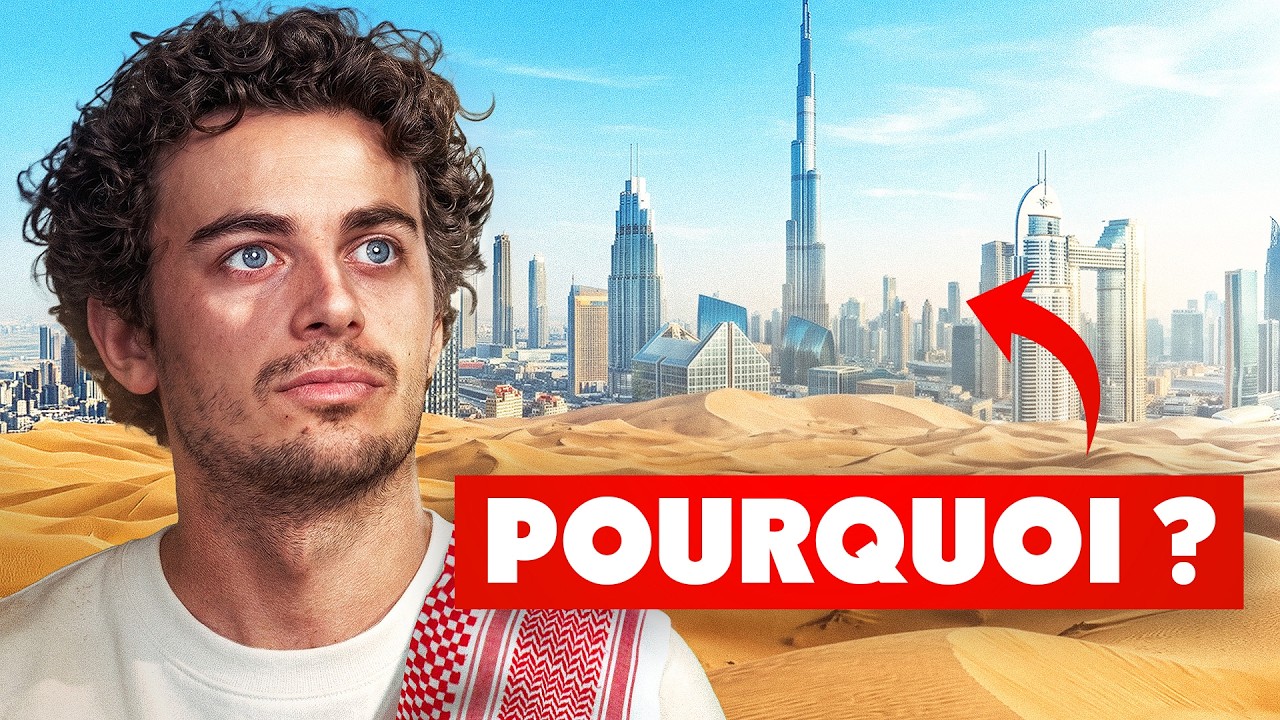
Pourquoi Dubaï n'aurait jamais dû exister ?
Keywords
Summary
182 words
Critical Evaluation
Value of the Information & Strength of the Argument
The video provides valuable insights into Dubai’s economic strategy, highlighting the deliberate diversification away from oil and the use of mega-projects as marketing tools. The argumentation is coherent and well-supported with specific examples and data, such as the percentage of GDP from oil dropping to 10% in the 1990s and the 2008 debt crisis. The narrative effectively explains the ‘why’ behind Dubai’s success, emphasizing the role of visionary leadership and calculated risks. However, some claims, like the number of deaths among migrant workers, are mentioned without specific sources, and the video’s tone occasionally leans towards sensationalism.
Scientific Rigor, Source Quality, Title Accuracy
The video demonstrates a reasonable level of scientific rigor, referencing credible organizations like the Global Carbon Project, Amnesty International, and Human Rights Watch. However, it does not provide direct citations for many specific facts, and the reliance on secondary sources is implicit. The title is catchy but slightly misleading, as the video does not argue that Dubai ‘shouldn’t have existed’ but rather explains the improbable factors behind its rise. The content aligns well with the title’s promise of exploring Dubai’s unlikely success story.
194 words
Title / Content Match
The title is provocative and slightly exaggerated, but the content thoroughly explains the unlikely rise of Dubai, addressing the question of why it 'shouldn't have existed' by highlighting its challenges and paradoxes.
Quality & Reliability
7/10
The video provides a well-structured historical narrative with specific dates, figures, and references to credible organizations (Global Carbon Project, Amnesty International, Human Rights Watch). However, some claims lack direct citations within the video, and the narrative is presented in a engaging but somewhat dramatized style.
Chapters
Cited Sources
- Odoo — Sponsor link mentioned in the video description and during the sponsorship segment.
Concurring Sources
- Global Carbon Project — Cited in the video for CO2 emissions per capita in the UAE.
- Amnesty International — Mentioned in the video as documenting human rights abuses related to the kafala system.
- Human Rights Watch — Mentioned in the video as documenting labor rights issues in Dubai.
Contribution & Novelties
The video offers a comprehensive and engaging synthesis of Dubai’s history, connecting economic, political, and social factors. It highlights the strategic foresight of the Al Maktoum family and the role of the pearl industry’s collapse in shaping Dubai’s diversification strategy. The video also provides a balanced view by addressing the negative consequences of Dubai’s growth, such as labor rights issues and environmental impact.
Pour aller plus loin :
- Kafala system — Explains the labor sponsorship system prevalent in the Gulf, relevant to the video’s discussion of labor conditions.
- Burj Khalifa — Provides details on the world’s tallest building, a central symbol of Dubai’s ambition.
- Global Carbon Project — Source for carbon emissions data, supporting the video’s environmental claims.
118 words
Radar Profile
The radar profile shows high scores in information quantity and quality, indicating a content-rich video with reliable data. The technical level is moderate, making it accessible to a general audience. The overall reliability is solid, but the lack of direct citations for some claims prevents a perfect score.