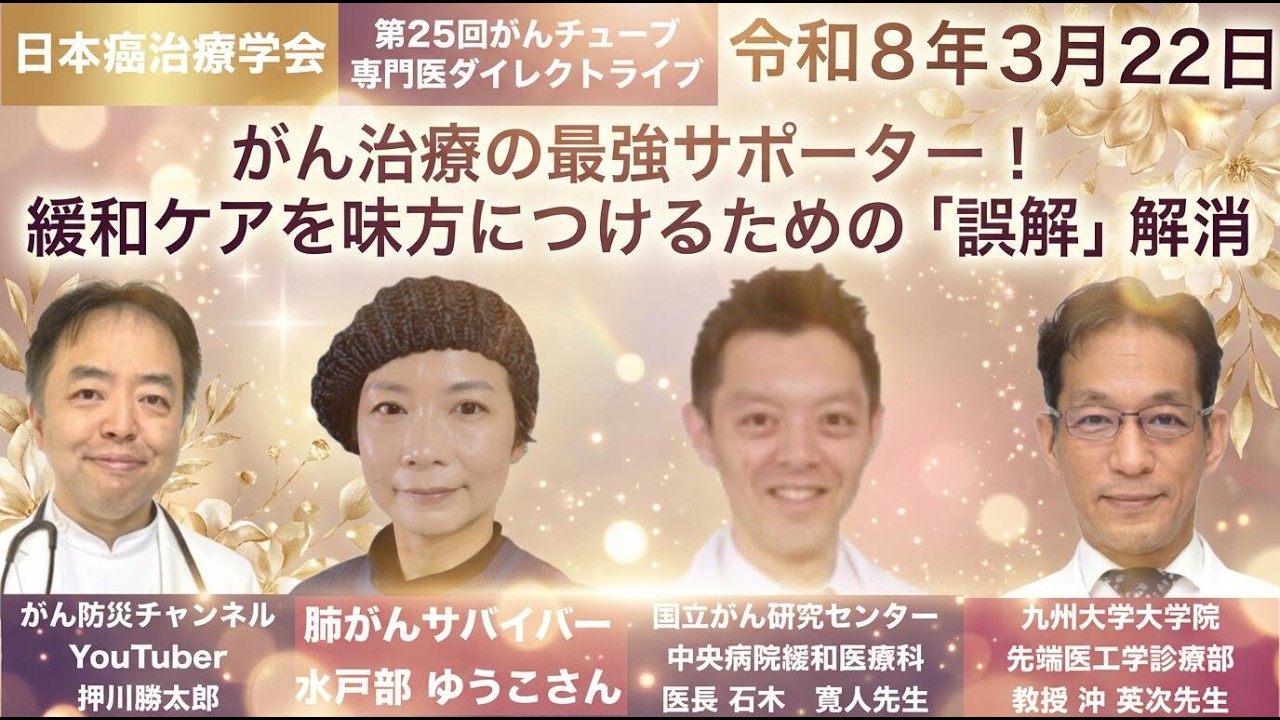
がん治療の最強サポーター!緩和ケアを味方につけるための「誤解」解消・第26回がんチューブ専門医ダイレクトライブ20260322
Keywords
Summary
164 words
Critical Evaluation
Value of the Information & Strength of the Argument
The video provides valuable information by demystifying palliative care, emphasizing its role in improving QOL rather than being synonymous with terminal care. The argumentation is solid, grounded in WHO definitions, Japanese law, and clinical experience. The inclusion of a survivor’s perspective adds practical value, illustrating how palliative care supports patients throughout their cancer journey. The discussion is balanced, addressing both benefits and systemic challenges, such as insurance limitations and regional disparities.
Scientific Rigor, Source Quality, Title Accuracy
The scientific rigor is high, with references to WHO definitions and Japanese legal frameworks. However, the video does not cite specific studies or provide a list of sources in the description, limiting verifiability. The title accurately reflects the content, focusing on dispelling misconceptions. The presentation is clear and well-structured, with expert opinions clearly distinguished from general information.
143 words
Title / Content Match
The title accurately reflects the content, focusing on dispelling misconceptions about palliative care in cancer treatment.
Quality & Reliability
8/10
The video features a palliative care specialist from a leading national cancer center, providing evidence-based explanations and referencing WHO definitions and Japanese legal frameworks. The discussion includes practical Q&A with a survivor, but lacks formal citations or peer-reviewed references in the description.
Chapters
- 配信開始・挨拶
- 日本癌治療学会の紹介(沖先生)
- 特別ゲスト紹介(一木博之先生)
- サバイバー紹介(三ト部裕子さん)と濃厚な治療歴史
- 基調講演:緩和ケアを味方につけるための「誤解」解消(一木先生)
- AIがイメージする「緩和ケア」と現実のギャップ
- WHOによる緩和ケアの定義:QOLを向上させるアプローチ
- 緩和ケアの本質は「苦痛の予測・予防・軽減」
- 国内外の現状と診療報酬制度(がん以外への適用拡大)
- ホスピスと緩和ケア病棟の違い・歴史的背景
- 法律で決まっている「診断時からの緩和ケア」
- 専門的緩和ケアと基本的緩和ケア(研修制度について)
- 緩和ケアが対処する多様な症状(痛みだけではない30以上の症状)
- 第2部:ディスカッション&事前質問回答
- 緩和ケア病棟と一般病棟での治療継続に関する制度上の問題
- Q1:緩和ケアに入ると治療は一切しないのか?(体力の基準:PSについて)
- Q2:がん以外の病気に対する緩和ケアの現状
- Q3:医療用麻薬(モルヒネ等)でどこまで苦痛はコントロールできるか
- Q4:術後の痛み(乳がん等)がひどい場合の相談先と対処法
- Q5:緩和ケアに対する家族や周囲の「死のイメージ」をどう変えるか
- Q6:長く治療を続けるためのコツと副作用との付き合い方(三ト部さんより)
- 医療者が患者を「褒める」ことの重要性(一木先生)
- Q7:88歳高齢者の膵がん手術選択と緩和ケアの役割
- Q8:治験における薬剤の増減量プロトコルについて
- Q9:地方と都会の緩和ケア格差と「遠隔緩和ケア」の可能性
- Q10:家族に対する緩和ケア(家族の精神的サポート)
- Q11:再発の不安と検査のタイミング(乳がんハーツ2タイプ)
- Q12:食道がんとアルコール・喫煙のリスク管理
- リアルタイムチャットへの回答:AI活用や精神腫瘍科との連携
- エンディング:誤解を解くために私たちができること
Contribution & Novelties
The video offers a comprehensive overview of palliative care, correcting common misconceptions and emphasizing its early integration. It provides practical insights from a survivor’s perspective, which is often missing in clinical discussions. The discussion on insurance-related barriers to palliative care access is particularly insightful.
Pour aller plus loin :
- WHO Definition of Palliative Care — Official WHO fact sheet on palliative care.
- Palliative care in Japan - Wikipedia — Overview of palliative care development and policies in Japan.
- Cancer Control Act in Japan — Information on Japan’s Cancer Control Act, which mandates palliative care from diagnosis.
96 words
Radar Profile
The radar profile shows high scores in information quantity, quality, and reliability, with a moderate technical level. This indicates a well-balanced video that is both informative and accessible, suitable for a general audience seeking reliable medical information.