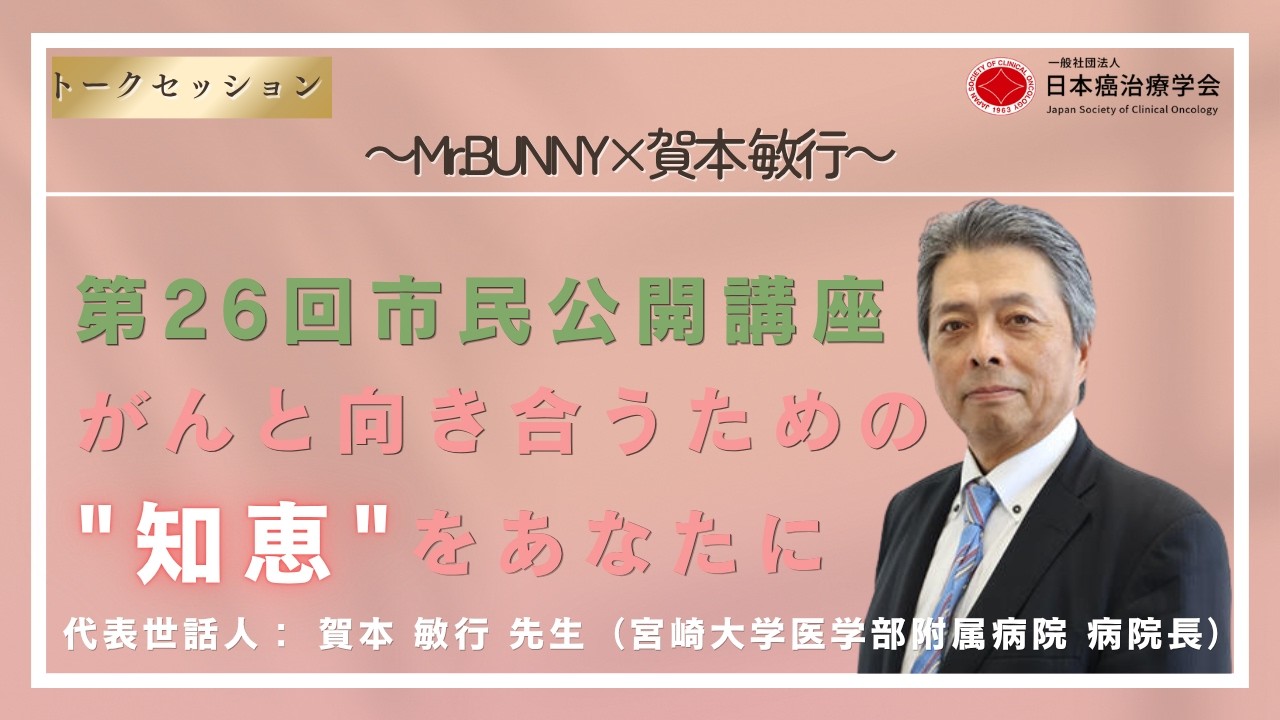
26th JSCO Public Lecture: Talk Session
Keywords
Summary
152 words
Critical Evaluation
Value of the Information & Strength of the Argument
The video provides valuable insights into cancer care from experienced clinicians. The argumentation is solid, based on clinical experience and current medical knowledge. The experts clearly explain the importance of multidisciplinary collaboration, the patient’s right to a second opinion, and the nuances of genetic cancer risk. They also debunk common myths, such as the idea that prostate cancer is not deadly, and emphasize the importance of screening. The discussion is balanced, acknowledging uncertainties and individual variability. The advice is practical and actionable, such as bringing family to second opinion appointments and avoiding criticism of previous doctors. The overall argumentation is coherent and trustworthy, though it lacks formal citations and is presented in a conversational style.
Scientific Rigor, Source Quality, Title Accuracy
The scientific rigor is high, as the speakers are medical professionals from reputable institutions. The quality of sources is implicit, relying on their expertise and current guidelines, but no specific studies are cited. The title accurately reflects the content, which is a talk session within a public lecture. The video is well-structured, with clear segments addressing different questions. The information is consistent with established medical knowledge, and the experts are careful to avoid overgeneralizations. The only minor issue is the lack of explicit references, but this is typical for a public lecture aimed at a general audience. Overall, the content is reliable and well-presented.
234 words
Title / Content Match
The title accurately reflects the content: a talk session within the 26th JSCO public lecture, featuring a Q&A with experts.
Quality & Reliability
8/10
The content is presented by medical professionals (oncologists, urologists, and a pharmacist) from reputable institutions, providing evidence-based information on cancer treatment, second opinions, genetic risks, and screening. The discussion is balanced and cautious, acknowledging uncertainties. However, it is a public lecture with limited depth and no formal citations, so a score of 8 is appropriate.
Key Moments
Markers derived by PSI from the transcript: the creator did not define chapters.
- Introduction and start of the talk session with moderator Mr. Bunny and Dr. Kamoto.
- Discussion on multidisciplinary teams in cancer treatment and how decisions are made.
- Advice on seeking a second opinion, including etiquette and potential benefits.
- Recommendations for cancer screening in men, particularly PSA testing for prostate cancer.
- Discussion on hereditary cancer and the importance of genetic counseling for younger patients.
- Clarification on chemotherapy side effects, especially hair loss, and reassurance that hair regrows.
- Question about the possibility of a world without cancer; experts respond that it is unlikely but emphasize prevention and early detection.
- Closing remarks from Dr. Kamoto and the moderator, encouraging a positive attitude towards cancer.
Cited Sources
- JSCO Public Information Page — Official page for patient and public information from the Japanese Society of Medical Oncology, mentioned in the video description.
Concurring Sources
- JSCO Public Information Page — The official page provides reliable cancer information for the public, consistent with the video's content.
Contribution & Novelties
This video offers a unique perspective by directly addressing common public concerns about cancer in a Q&A format, with experts providing practical advice. It emphasizes the importance of patient empowerment and informed decision-making. The discussion on second opinions and multidisciplinary care is particularly valuable for patients navigating cancer treatment.
Pour aller plus loin :
- Second opinion in oncology — General concept of seeking a second medical opinion.
- Prostate cancer screening — NCI fact sheet on PSA testing.
- Hereditary cancer syndromes — Overview of genetic factors in cancer.
- Chemotherapy-induced alopecia — Medical overview of hair loss during chemotherapy.
97 words
Radar Profile
The radar profile shows high scores in quality of information and reliability, reflecting the expertise of the speakers. The quantity of information is moderate, and the technical level is accessible to a general audience. The overall balance indicates a trustworthy and informative video for public education.
💬 Sur les 0 commentaires analysés, aucune tendance n'est disponible.