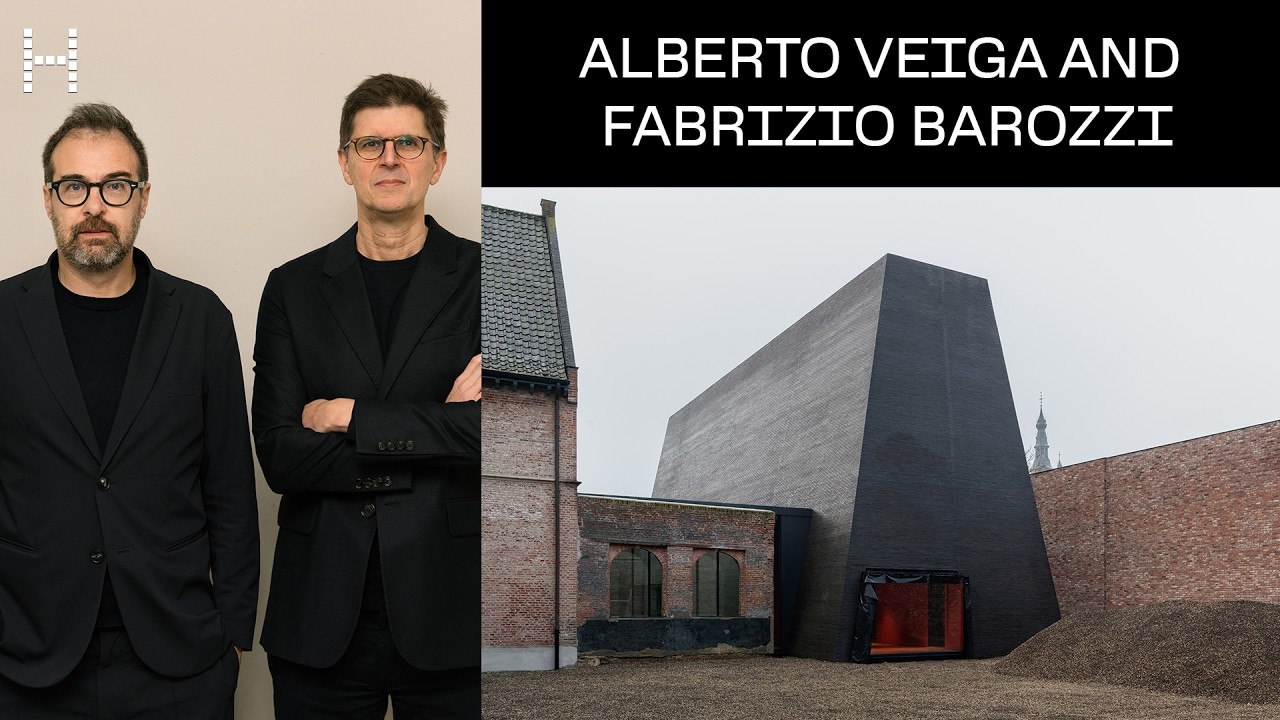
John Portman Lecture: Alberto Veiga and Fabrizio Barozzi, "Permanence and Transformation"
Keywords
Summary
129 words
Critical Evaluation
Value of the Information & Strength of the Argument
The lecture provides valuable insights into the design process of Barozzi Veiga, a renowned architectural practice. The architects articulate their theoretical framework clearly, explaining how they approach each project with a focus on continuity and specificity. Their argumentation is solid, grounded in concrete examples from their built work. They demonstrate a consistent methodology across different projects, showing how they adapt their principles to various contexts. The discussion and Q&A further strengthen the value by addressing specific questions about their design decisions and future directions.
Scientific Rigor, Source Quality, Title Accuracy
The lecture is delivered by the architects themselves, making it a primary source of information about their work. The content is based on their professional experience and is presented with a high level of rigor. While no external sources are cited, the architects reference their own projects and the theoretical influences, such as Miguel de Unamuno’s concept of ‘intrahistoria’. The title accurately reflects the content, focusing on the themes of permanence and transformation. The lecture is well-structured, with a clear presentation followed by a discussion and Q&A, enhancing its credibility.
189 words
Title / Content Match
The title accurately reflects the content, focusing on the themes of permanence and transformation in their architectural work.
Quality & Reliability
8/10
The lecture is delivered by the architects themselves, presenting their built projects and design methodology. The content is based on their professional practice and is consistent with published architectural discourse. No external sources are cited, but the credibility of the speakers and the coherence of the presentation support a high reliability score.
Chapters
Contribution & Novelties
The lecture offers an original perspective on architectural practice, emphasizing the importance of permanence and transformation in contemporary design. Barozzi Veiga’s approach to site-specificity and formal autonomy provides a nuanced alternative to both generic architecture and spectacle-driven design. Their concept of ‘sentimental monumentality’ and their use of ‘intrahistoria’ offer a framework for understanding how architecture can engage with the latent narratives of a place. The lecture contributes to the discourse on contextualism and the role of history in architectural creation.
Pour aller plus loin :
- Miguel de Unamuno - Intrahistoria — The concept of intrahistoria is central to their approach, referring to the minor stories that shape a place.
- Barozzi Veiga - Official Website — The architects’ official website provides further documentation of their projects and philosophy.
- Szczecin Philharmonic Hall — One of their most acclaimed projects, illustrating their design principles.
141 words
Radar Profile
The radar profile shows high scores in information quantity, quality, and reliability, with a slightly lower technical level, reflecting the lecture's focus on conceptual and practical aspects rather than deep technical details.