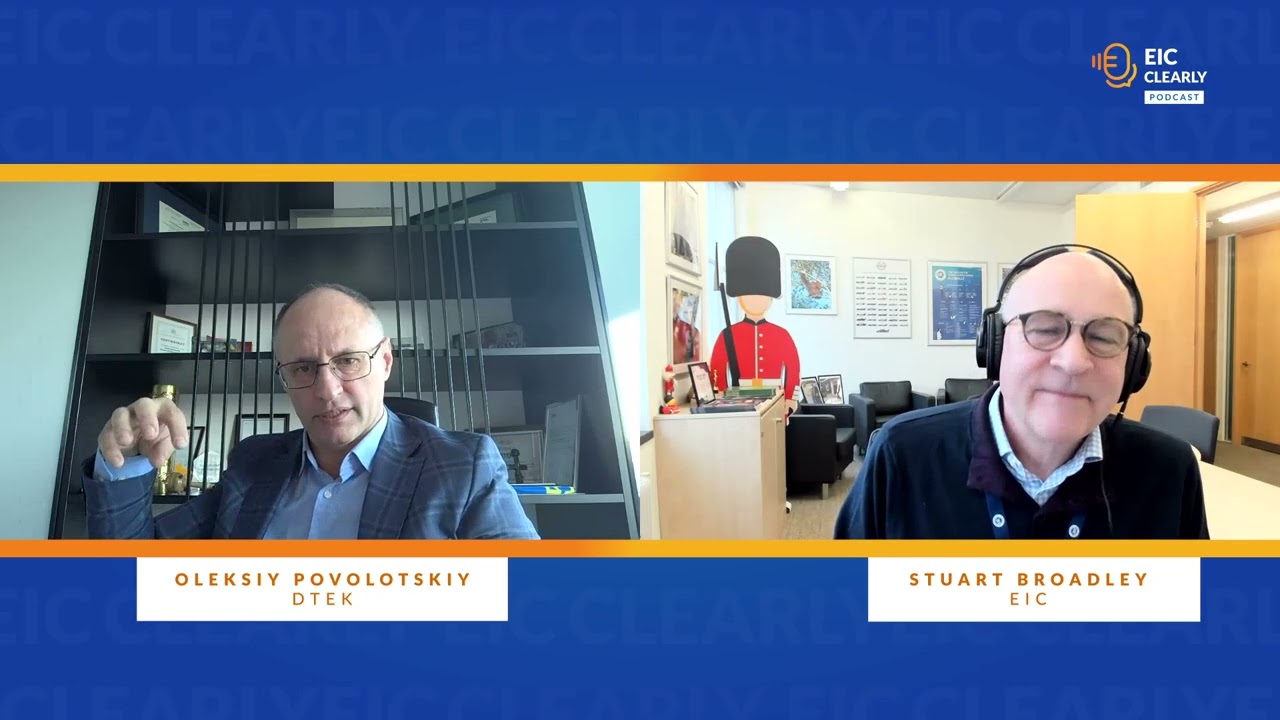
Rebuilding Ukraine’s 2nd Frontline, Energy: Oleksiy Povolotskiy, DTEK
Keywords
Summary
157 words
Critical Evaluation
Value of the Information & Strength of the Argument
The video provides valuable first-hand insights into the operational realities of managing an energy system during war. Povolotskiy offers specific data on attacks, capacity losses, and recovery efforts, which adds credibility. The argumentation is coherent, emphasizing the dual need for immediate survival measures and long-term modernization. However, the perspective is solely from DTEK, and there is no independent verification or contrasting viewpoints, which limits the overall argumentative strength.
Scientific Rigor, Source Quality, Title Accuracy
The content is based on the direct experience of a senior industry executive, which lends practical authority. However, no external sources are cited, and the information is not peer-reviewed. The title accurately reflects the content, focusing on the frontline nature of energy infrastructure repair. The lack of independent sources and the single-company perspective reduce the scientific rigor, but the factual claims appear plausible and are presented without obvious bias.
152 words
Title / Content Match
The title accurately reflects the content, which focuses on the challenges and efforts to rebuild Ukraine's energy infrastructure amid ongoing attacks.
Quality & Reliability
7/10
The video features a senior executive from Ukraine's largest private energy company, providing first-hand testimony and specific data on infrastructure damage and recovery efforts. However, it is an interview/podcast format with no independent verification or peer-reviewed sources, and the information is presented from a single perspective.
Key Moments
Markers derived by PSI from the transcript: the creator did not define chapters.
- Introduction and context of the podcast.
- Povolotskiy describes the severe winter conditions and their impact on energy infrastructure.
- Discussion on the incompatibility of Western equipment and the need for Soviet-era replacements.
- Overview of Ukraine's energy sector pre-war and the impact of attacks on thermal generation.
- Povolotskiy explains the 'survival mode' and the need for emergency equipment like diesel generators.
- Discussion on the future vision for a decentralized and greener energy system.
- Povolotskiy describes the daily work of energy workers and the dangers they face.
- Details on the drone attack on a bus carrying coal miners and the human cost.
- Povolotskiy shares personal experiences of living in Kyiv and the resilience of citizens.
Cited Sources
- EIC website — Mentioned as the host organization and source of further information.
- EIC membership page — Referenced in the description for those interested in joining the EIC.
- Five Golden Rules for a Healthy Energy Supply Chain — Mentioned in the description as a resource.
- EIC Consult — Referenced in the description for consulting services.
Concurring Sources
- Ukraine Energy Support Fund — Mentioned in the video as a key donor mechanism.
- DTEK official website — Provides additional information on DTEK's operations and recovery efforts.
Contribution & Novelties
This video provides a unique, on-the-ground perspective on the challenges of maintaining and rebuilding energy infrastructure during an active conflict. It offers specific data on attacks, capacity losses, and the types of equipment needed, which is valuable for understanding the practical realities of energy security in wartime. The discussion of both immediate survival measures and long-term modernization plans adds depth.
Pour aller plus loin :
- Ukraine Energy Support Fund — Official fund mentioned in the video, providing financial support for Ukraine’s energy sector.
- DTEK official website — Company website for more information on their operations and projects.
- International Energy Agency report on Ukraine’s energy sector — Provides context on Ukraine’s energy system before and during the war.
- EU Green Deal — Relevant to the discussion of aligning Ukraine’s energy system with EU standards.
133 words
Radar Profile
The radar profile shows high scores in information quantity and quality, reflecting the detailed first-hand account. The technical level is moderate, suitable for a general audience. Reliability is slightly lower due to the lack of independent sources and the single-company perspective.
💬 Sur les 0 commentaires analysés, aucune tendance n'a pu être dégagée.