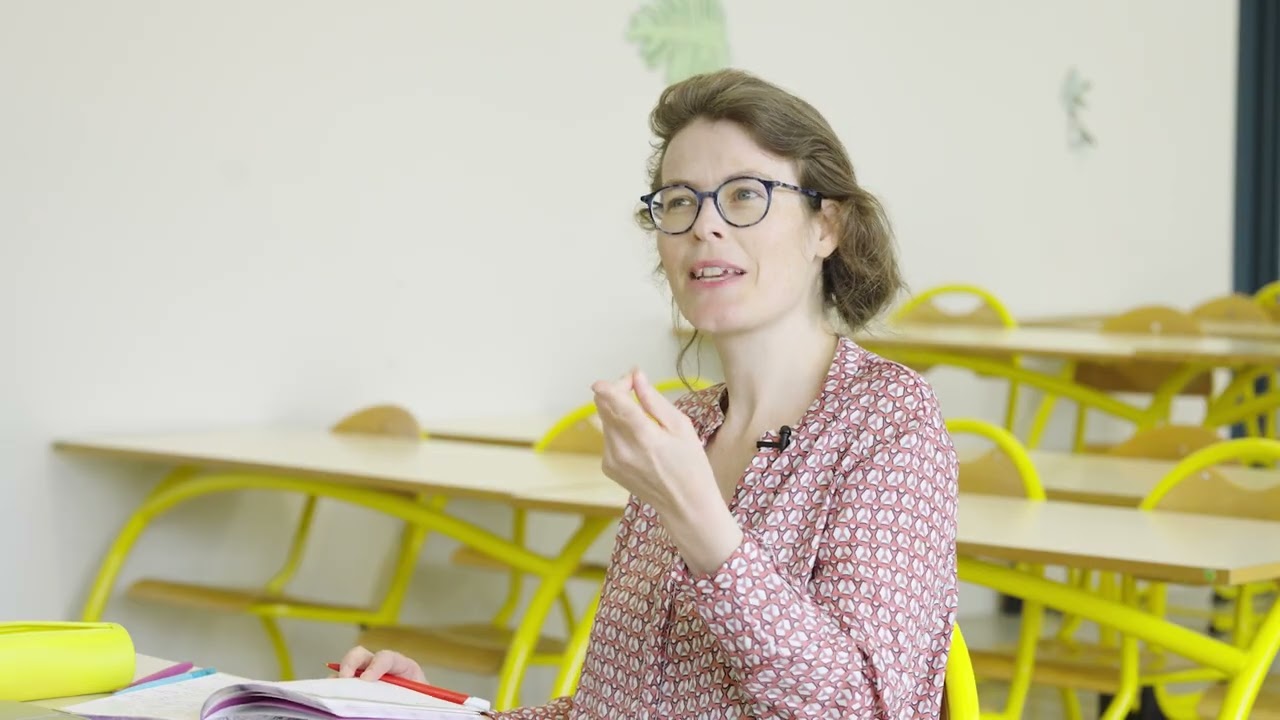
Reconstitution d’oral ENS : Concours BCPST - Oral de biologie - ENS
Keywords
Summary
123 words
Critical Evaluation
The video is an excellent educational resource that provides an authentic glimpse into the oral examination process for the ENS biology entrance exam. The candidate demonstrates a solid understanding of the topic, presenting a well-structured overview of transcriptional control mechanisms, including transcription factors, the lac operon, chromatin remodeling, and RNA interference. The examiner’s questions are probing and designed to test the candidate’s depth of understanding and ability to apply knowledge to experimental contexts. The discussion on experimental methods (RT-PCR, Northern blot, FISH) is particularly valuable, as it bridges theoretical knowledge with practical applications. The research-oriented segment on sleep and circadian rhythms is a thoughtful addition, encouraging critical thinking and scientific reasoning. The video is scientifically accurate and aligns with the curriculum for BCPST preparatory classes. The production quality is high, with clear audio and visuals. The only minor criticism is that the video may not fully capture the pressure of a real exam, but as a reconstitution, it serves its purpose effectively. Overall, this is a commendable initiative that will greatly benefit prospective candidates.
174 words
Title / Content Match
The title accurately describes the content: a reconstitution of an oral biology exam for the BCPST competitive entrance exam to the ENS.
Quality & Reliability
9/10
The video is an official reconstitution of an oral examination by the ENS, featuring a real candidate and examiner. The content is scientifically accurate, well-structured, and aligns with the biology curriculum for BCPST. The production is professional and transparent about the examination process.
Key Moments
Markers derived by PSI from the transcript: the creator did not define chapters.
- Introduction and explanation of the oral exam format by the examiner.
- Candidate draws topic on 'control of transcription' and begins preparation.
- Candidate presents on transcription factors and the lac operon.
- Candidate discusses chromatin modifications and RNA interference.
- Discussion on experimental methods: RT-PCR, Northern blot, FISH.
- Research-oriented question on sleep and circadian rhythms.
- Further discussion on potential research directions and conclusion.
Cited Sources
- ENS-PSL official website — Official website of the École normale supérieure - PSL, providing information about the institution and its initiatives.
- ENS-PSL news article on oral reconstitutions — News article announcing the initiative to release reconstitution videos of oral exams.
- ENS-PSL LinkedIn page — LinkedIn page of ENS-PSL, providing updates and professional network.
- ENS-PSL YouTube channel — Official YouTube channel of ENS-PSL, hosting the reconstitution videos.
- Playlist of reconstitution videos — Playlist containing all reconstitution videos for various oral exams.
Concurring Sources
- Transcription (biology) — General reference on transcription, consistent with the candidate's presentation.
- Lac operon — Detailed information on the lac operon, matching the candidate's explanation.
- Chromatin remodeling — Reference on chromatin modifications, supporting the discussion on gene regulation.
Contribution & Novelties
This video provides an authentic reconstitution of an oral examination, offering unprecedented transparency into the expectations and format of the ENS biology oral. It is a valuable resource for candidates, particularly those from disadvantaged backgrounds, as it levels the playing field by making high-quality preparation accessible online. The video also serves as a pedagogical tool for teachers and students, illustrating the depth of knowledge and critical thinking required.
Pour aller plus loin :
- Transcription (biology) — Overview of the transcription process, relevant to the candidate’s presentation.
- Lac operon — Detailed explanation of the lac operon, a key example discussed in the video.
- Chromatin remodeling — Mechanisms of chromatin modifications and their role in gene expression.
- RNA interference — Overview of RNAi pathways, including the role of small RNAs in gene silencing.
- Fluorescence in situ hybridization (FISH) — Technique mentioned in the discussion for visualizing specific RNA sequences in tissues.
149 words
Radar Profile
The radar profile shows high scores across all dimensions, with particularly strong performance in information quality and reliability. The video is technically sound and provides a comprehensive view of the oral exam, making it an excellent resource for candidates.
💬 Très positif. Sur les 30 commentaires analysés, la grande majorité exprime une admiration pour le niveau des candidats et la bienveillance de l'examinatrice, saluant l'initiative de l'ENS comme un outil pédagogique précieux.