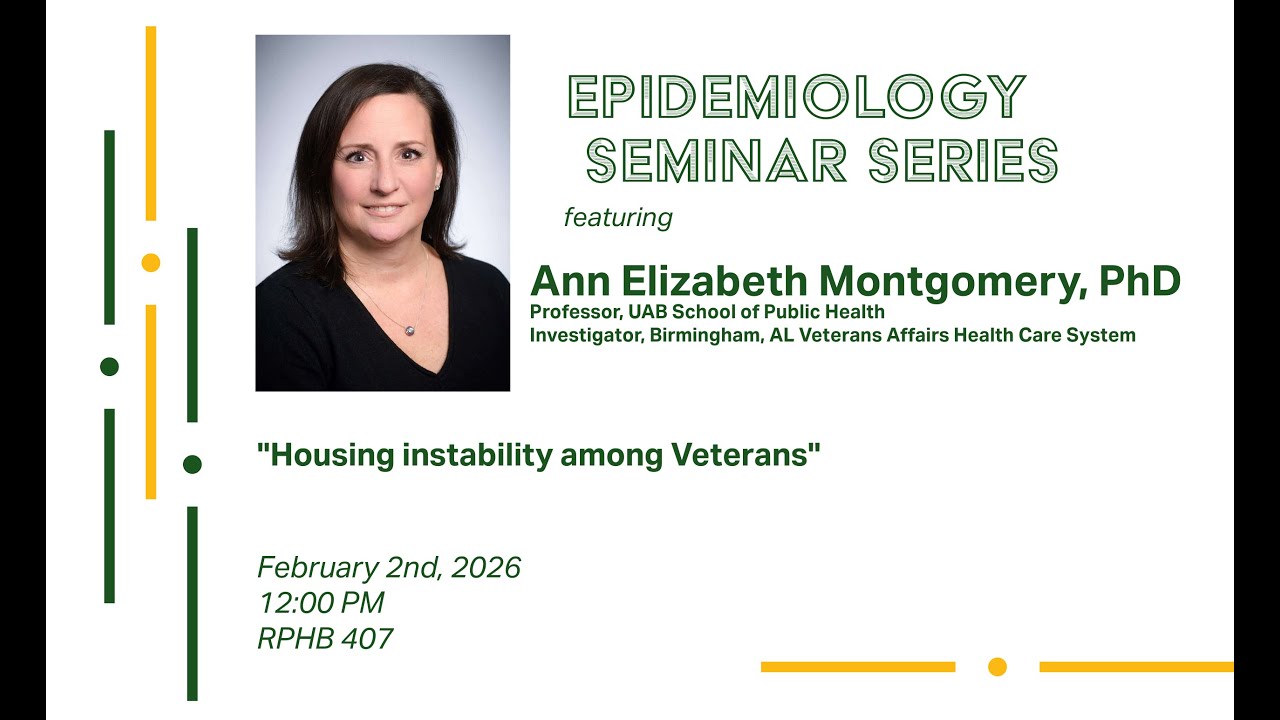
Housing Instability Among Veterans
Keywords
Summary
186 words
Critical Evaluation
Value of the Information & Strength of the Argument
The talk provides valuable insights into the intersection of housing instability and suicide among veterans, drawing on the speaker’s extensive research. The argumentation is solid, based on multiple studies and federal data, though some data are dated. The speaker acknowledges limitations of using electronic health records, such as underreporting of suicide ideation. She effectively argues that homeless programs are important for suicide prevention, despite not showing a direct reduction in suicide risk. The presentation is well-structured and evidence-based.
Scientific Rigor, Source Quality, Title Accuracy
The speaker demonstrates scientific rigor by referencing specific studies and data sources, including the Point-in-Time count and VA research. She is transparent about data limitations and the need for cautious interpretation. The title accurately reflects the content. No external sources are cited in the description, but the speaker’s credentials and the context of a university seminar support the reliability. The talk is a seminar presentation, not a peer-reviewed publication, but it is based on the speaker’s own research and federal data.
174 words
Title / Content Match
The title accurately reflects the content, which focuses on housing instability among veterans, including prevalence, risk factors, health consequences, and suicide risk.
Quality & Reliability
8/10
The speaker is a professor and VA investigator with extensive research on homelessness among veterans. The talk is based on her own studies and federal data, but it is a seminar presentation rather than a peer-reviewed publication. The content is well-supported by references to specific studies and data sources, though some data are dated.
Key Moments
Markers derived by PSI from the transcript: the creator did not define chapters.
- Introduction of Dr. Montgomery by the seminar host.
- Dr. Montgomery begins her talk, sharing her background and how she got into homelessness research.
- Definition of homelessness and housing instability, including the continuum concept.
- Discussion of the Point-in-Time count and statistics on homelessness in the US.
- Explanation of why homelessness is a public health issue, including risk factors and consequences.
- Presentation of research linking housing instability to suicide among veterans.
- Discussion of the study on VA homeless program use and suicide risk.
- Conclusion and implications for integrating suicide prevention in homeless programs.
Cited Sources
- VA National Center on Homelessness Among Veterans — Mentioned as the center where Dr. Montgomery works and conducts research.
Concurring Sources
- VA National Center on Homelessness Among Veterans — The center's mission aligns with the talk's focus on reducing veteran homelessness.
Contribution & Novelties
The talk provides an expert overview of housing instability among veterans, emphasizing the link with suicide. It highlights the importance of integrating suicide prevention into homeless programs. The speaker shares findings from her own research, including a large study of over 600,000 veterans, which is a significant contribution to the field.
Pour aller plus loin :
- Housing First — A key intervention for chronic homelessness, mentioned in the talk.
- Social determinants of health — The framework used to understand housing as a health determinant.
- Veterans Health Administration — The health system where the research is conducted.
96 words
Radar Profile
The radar profile shows high scores in information quantity, quality, and reliability, with a moderate technical level. This indicates a well-informed presentation suitable for a professional audience, with strong evidence-based content.