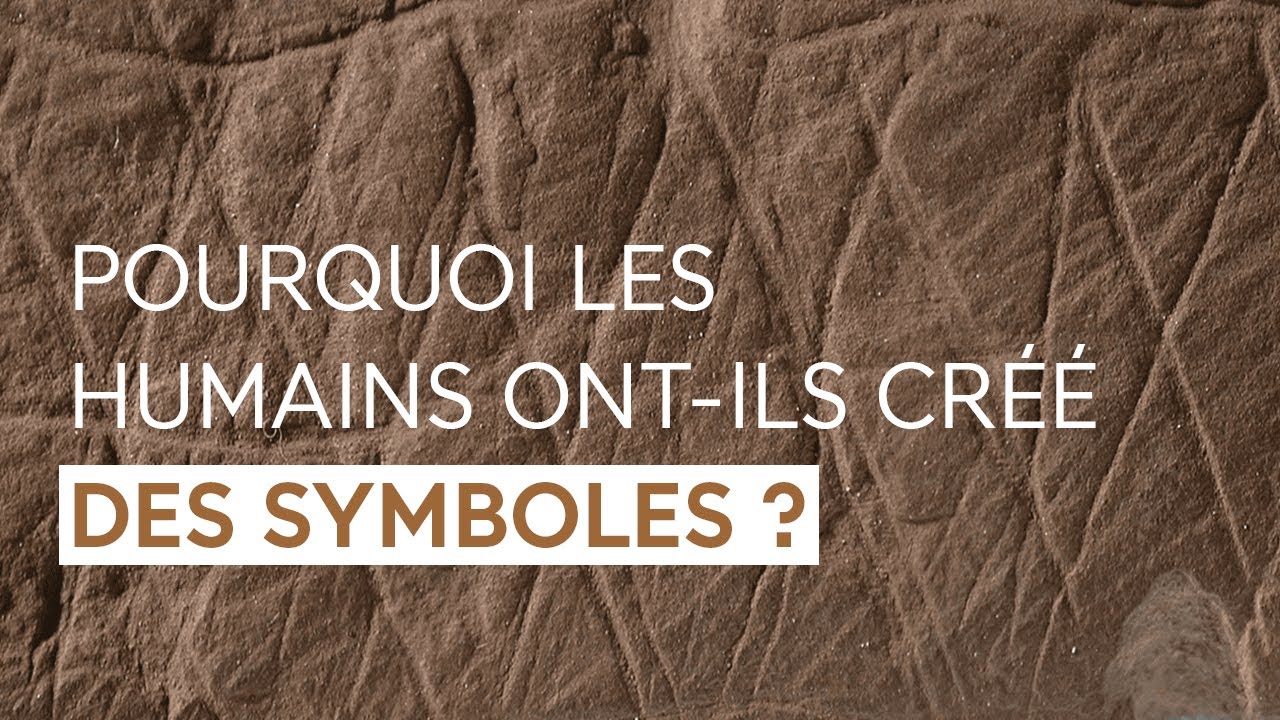
L'origine des comportements symboliques
The origin of symbolic behaviors
Keywords
Summary
180 words
Critical Evaluation
Value of the Information & Strength of the Argument
The presentation provides a comprehensive and up-to-date synthesis of archaeological evidence on the origins of symbolic behavior. The speaker effectively argues against the Eurocentric ‘human revolution’ model by presenting a wealth of data from African and Middle Eastern sites, such as Blombos, Sibudu, and Skhul. The argumentation is solid, grounded in specific examples like the heat treatment of ochre at Skhul and the ochre processing toolkit at Blombos. The speaker also incorporates genetic and paleoanthropological evidence to support a gradual, multi-regional model of modern human origins. However, the talk is largely a narrative review, and some claims, such as the symbolic interpretation of ochre use, are presented with less critical scrutiny than might be expected in a peer-reviewed context.
Scientific Rigor, Source Quality, Title Accuracy
The speaker is a leading expert in the field, and the content is consistent with current scientific consensus. The talk references several key publications and researchers, such as Alison Brooks and Sally McBrearty, and the 2017 Nature Ecology & Evolution paper on a multi-regional model. However, specific citations are not provided in the video description, limiting the ability to verify all claims. The title accurately reflects the content, which is a broad overview of the origins of symbolic behavior. The presentation is well-structured and accessible, but the lack of explicit source citations in the video description is a minor weakness.
234 words
Title / Content Match
The title accurately reflects the content, which focuses on the origins and evolution of symbolic behaviors in human evolution.
Quality & Reliability
8/10
The speaker is a CNRS research director and professor, presenting a well-structured synthesis of current archaeological evidence. The talk is based on published research, but as a conference presentation, it lacks detailed citations and peer-review context.
Key Moments
Markers derived by PSI from the transcript: the creator did not define chapters.
- Introduction: symbolic behavior is not just figurative art.
- Discussion of the 'human revolution' model and its proponents.
- Presentation of the multi-regional model of modern human origins.
- Evidence for early ochre use in Africa, dating back 500,000 years.
- Heat treatment of ochre at Skhul and the symbolic use of pigments.
- Ochre processing toolkit at Blombos, dating to 100,000 years ago.
- Evolution of clothing and the earliest sewing needles.
- Earliest personal ornaments in Africa and the Middle East, dating to 140,000 years ago.
Cited Sources
- Conférence page on Musée de l'Homme website — Official page for the conference, providing additional information and context.
Concurring Sources
- McBrearty & Brooks (2000) - The revolution that wasn't — Influential paper arguing for gradual evolution of modern human behavior in Africa.
Dissenting Sources
- Klein (1995) - The Human Career — Proposes a sudden cognitive revolution in Europe, which the speaker challenges.
Contribution & Novelties
The talk provides a comprehensive synthesis of recent archaeological discoveries that challenge the traditional Eurocentric view of the origins of symbolic behavior. It highlights the importance of African and Middle Eastern evidence, such as the 100,000-year-old ochre processing toolkit at Blombos and the 140,000-year-old shell beads at Bizmoune. The speaker also integrates genetic and paleoanthropological data to support a gradual, multi-regional model of modern human origins.
Pour aller plus loin :
- Blombos Cave — Key site for early symbolic behavior.
- Ochre — Pigment used symbolically and functionally.
- Behavioral modernity — Concept debated in the context of symbolic behavior origins.
99 words
Radar Profile
The radar profile shows high scores in information quantity, quality, and reliability, reflecting the speaker's expertise and the comprehensive coverage of the topic. The technical level is also high, indicating a detailed scientific discussion. The overall profile suggests a highly informative and reliable presentation.
💬 Sur les 0 commentaires analysés, aucune tendance n'a pu être dégagée.