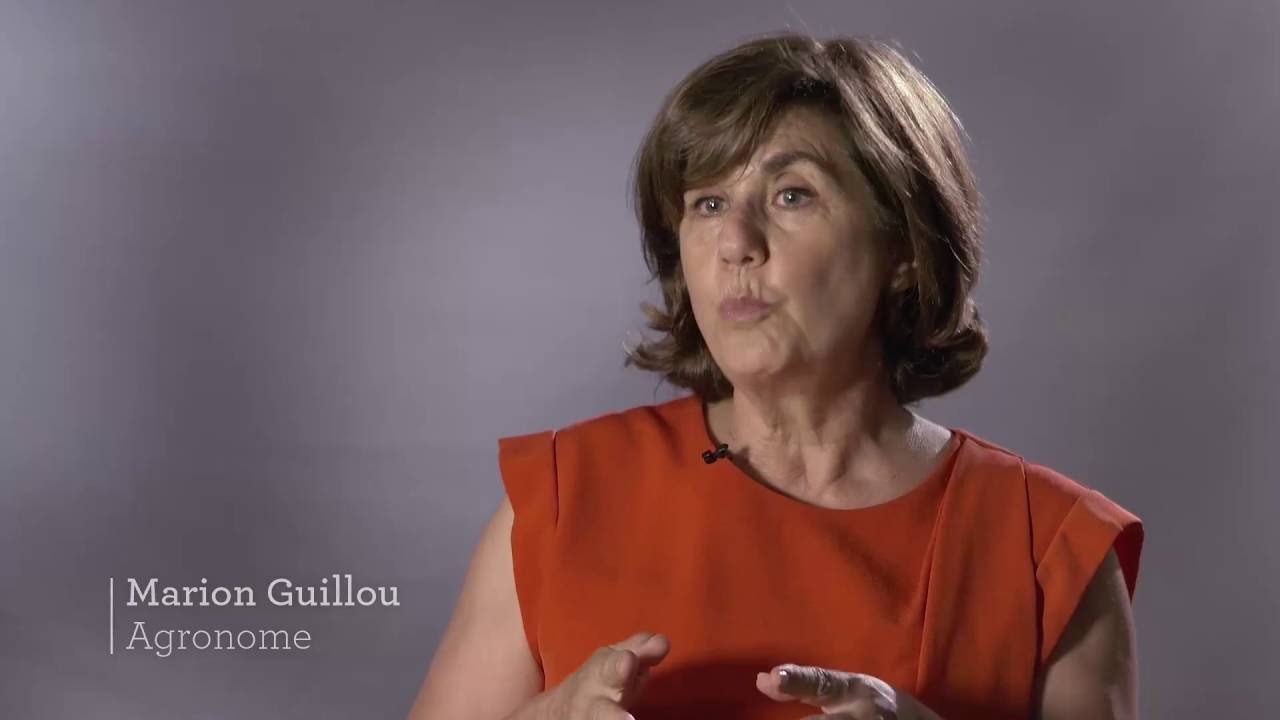
Comment vivre ensemble sur une planète aux ressources limitées ? 1/4
How to live together on a planet with limited resources? 1/4
Keywords
Summary
204 words
Critical Evaluation
Value of the Information & Strength of the Argument
The video provides a valuable overview of the challenges and potential solutions for global food security. The argumentation is coherent and well-structured, moving from a historical context to future strategies. The speaker supports her points with relevant examples, such as the impact of climate change on wheat production in France and the potential of soil carbon sequestration. However, the argumentation is largely qualitative and lacks specific data or references to scientific studies, which limits its depth. The proposals are pragmatic and align with mainstream scientific consensus, but they are presented as expert opinions rather than evidence-based conclusions.
Scientific Rigor, Source Quality, Title Accuracy
The scientific rigor is moderate: the speaker is credible, but the video does not cite specific sources or studies. The content is consistent with established knowledge in agronomy and climate science. The title accurately reflects the content, and the video is part of a museum exhibition, suggesting a certain level of curation. The description provides a link to the museum’s website but no direct references to scientific literature. The video does not include any advertising or sponsorship. The comments are not provided, so no analysis of public reception is possible.
202 words
Title / Content Match
The title accurately reflects the content, which addresses the challenge of feeding a growing population on a planet with limited resources.
Quality & Reliability
8/10
The speaker is a recognized agronomist, and the content is consistent with established scientific knowledge on food security and climate change. However, the video is an opinion piece without detailed citations or data sources.
Key Moments
Markers derived by PSI from the transcript: the creator did not define chapters.
- Introduction: the challenge of living together on a planet with limited resources.
- Population growth from 3 billion in 1960 to 6 billion in 2006.
- The Green Revolution and the increase in agricultural production by 2.4 times.
- Pressures on natural resources: water, biodiversity, fossil fuels.
- The need to feed 9 billion people by 2050.
- Strategies: reduce losses, moderate diets, increase production.
- Climate change impacts on agriculture and the need for adaptation.
- Mitigation: carbon sequestration in soils, renewable carbon, reducing methane.
- Scientific research: nitrogen fixation in cereals, microbiome modification.
- Three key changes: valuing environmental goods, improving distribution, investing in education.
Cited Sources
- Musée de l'Homme — The video is part of the permanent exhibition of the Musée de l'Homme, and the description provides this link for more information.
Concurring Sources
- FAO - The future of food and agriculture — The FAO's report aligns with the video's message on the need to increase production sustainably and reduce food loss.
Contribution & Novelties
The video offers a concise expert perspective on global food security, synthesizing key challenges and solutions. It highlights the dual need for adaptation and mitigation in agriculture regarding climate change. The speaker introduces innovative research areas such as enhancing nitrogen fixation in cereals and modifying ruminant microbiomes to reduce methane emissions.
Pour aller plus loin :
- Food security - Wikipedia — Provides a broad overview of the concept and its dimensions.
- Green Revolution - Wikipedia — Historical context on the agricultural transformation mentioned in the video.
- Climate change and agriculture - Wikipedia — Discusses the impacts and adaptation strategies relevant to the video’s content.
- Soil carbon - Wikipedia — Explains the role of soils in carbon sequestration, a key mitigation strategy discussed.
- Methane emissions - Wikipedia — Provides background on sources and mitigation of methane, relevant to the livestock discussion.
140 words
Radar Profile
The radar profile shows high scores in information quality and reliability, reflecting the expert's credibility and the coherent presentation. The quantity of information is moderate, and the technical level is accessible, making it suitable for a general audience. The overall balance indicates a solid but not deeply technical overview.