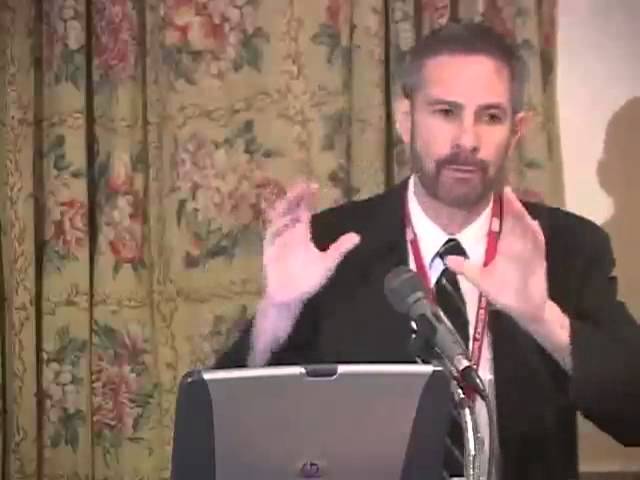
Vaccination to Prevent Cervical Cancer
Keywords
Summary
162 words
Critical Evaluation
Value of the Information & Strength of the Argument
The talk provides valuable insights into the translational pathway from basic science to a public health intervention. Dr. Lowy’s argumentation is solid, grounded in decades of research and clinical trial data. He clearly explains the rationale for targeting HPV 16/18, the efficacy of the vaccine, and the limitations regarding other HPV types. He also addresses practical considerations such as screening and cost, making a compelling case for the vaccine’s importance. The presentation is persuasive and well-supported by scientific evidence.
Scientific Rigor, Source Quality, Title Accuracy
Dr. Lowy demonstrates scientific rigor by disclosing his role as an inventor and NIH’s patents, and by referencing specific studies and data. He cites the FDA approval and CDC recommendations, and mentions ongoing trials. The title accurately reflects the content. The talk is an expert opinion based on original research, and while not a formal literature review, it is consistent with established scientific knowledge. No external sources are cited in the description, but the speaker’s credentials and the context of the briefing lend credibility.
178 words
Title / Content Match
The title accurately reflects the content, which focuses on the development and impact of HPV vaccination for cervical cancer prevention.
Quality & Reliability
8/10
Presentation by a leading NIH scientist directly involved in HPV vaccine development, with clear disclosure of conflicts and reliance on peer-reviewed research. However, the talk is from 2007 and lacks visual aids, limiting depth.
Key Moments
Markers derived by PSI from the transcript: the creator did not define chapters.
- Introduction by Congressman Holt and context of the briefing.
- Dr. Lowy begins his talk, apologizing for lack of slides.
- Overview of HPV as a cause of cervical cancer and other cancers.
- Explanation of the role of genetic engineering in HPV research.
- Details on HPV types 16 and 18 and their contribution to cervical cancer.
- Discussion of HPV DNA testing for screening.
- Development of the virus-like particle vaccine and its efficacy.
- FDA approval and CDC recommendations for vaccination.
- Future directions: second-generation vaccines and therapeutic vaccines.
- Q&A session begins, addressing male vaccination and adverse events.
Cited Sources
- Excess Cervical Cancer Mortality: A Marker for Low Access to Health Care in Poor Communities — Mentioned by Dr. Lowy as a monograph published by the NCI Center to Reduce Cancer Health Disparities.
Concurring Sources
- Human papillomavirus (HPV) and cervical cancer - WHO — WHO fact sheet confirming HPV as a major cause of cervical cancer and the importance of vaccination.
Contribution & Novelties
This talk provides a first-hand account of the scientific and policy journey behind the HPV vaccine, emphasizing the critical role of public funding. It offers unique insights into the regulatory differences between the US and Europe and the challenges of vaccine implementation. The presentation underscores the need for continued research on second-generation vaccines and therapeutic approaches.
Pour aller plus loin :
- HPV vaccine - Wikipedia — Overview of HPV vaccines, their development, and global use.
- Human papillomavirus infection - Wikipedia — Detailed information on HPV biology and associated diseases.
- National Cancer Institute - HPV and Cancer — NCI’s official resource on HPV and cancer prevention.
105 words
Radar Profile
The radar profile shows high scores in quantity, quality, and technical level, with a slightly lower but still strong reliability score. This indicates a dense, expert-level presentation with solid scientific backing, though the lack of visual aids and the age of the talk slightly reduce its overall impact.