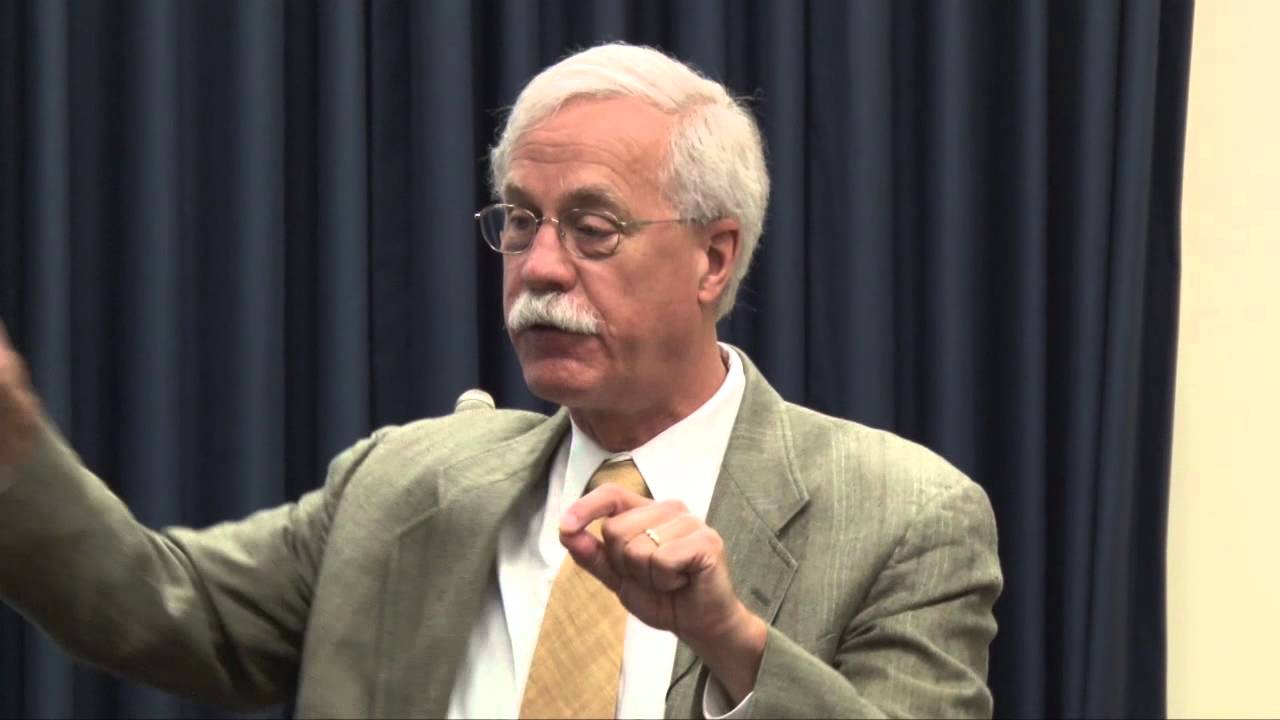
Sins of the Fathers and Mothers: Epigenetic Influences Passed from Parent to Child
Keywords
Summary
132 words
Critical Evaluation
Value of the Information & Strength of the Argument
The lecture provides valuable insights into a complex and often misunderstood area of genetics. Nadeau presents compelling experimental evidence from mouse models that challenges the conventional genotype-phenotype correlation. His argumentation is logical and well-structured, building from basic principles of Mendelian inheritance to the discovery of epigenetic inheritance. He effectively uses specific examples, such as the Kit ligand and Apobec1 genes, to illustrate how epigenetic changes can be transmitted across generations. The value lies in its potential to shift paradigms in medical genetics, suggesting that disease risk may be influenced by ancestral environment and epigenetic states. However, the argumentation is primarily based on his own research and may not fully represent the broader scientific consensus, which is still debated.
Scientific Rigor, Source Quality, Title Accuracy
The lecture demonstrates scientific rigor in its presentation of experimental data and acknowledges the complexity of the topic. However, specific sources are not cited in the video, and the description only provides the speaker’s name and affiliation. The title accurately reflects the content, focusing on epigenetic influences passed from parent to child. While the speaker is a credible expert, the lack of explicit citations limits the ability to verify claims independently. The content aligns with current research in epigenetics, but the audience should be aware that transgenerational epigenetic inheritance in humans remains a topic of active investigation and debate.
232 words
Title / Content Match
The title accurately reflects the content, focusing on transgenerational epigenetic inheritance.
Quality & Reliability
8/10
The speaker is a recognized expert in systems genetics, and the content is based on published research, though presented as a lecture without detailed citations.
Key Moments
Markers derived by PSI from the transcript: the creator did not define chapters.
- Introduction to the talk and the topic of epigenetic inheritance.
- Explanation of Mendelian genetics and its limitations.
- Introduction to epigenetics and its role in gene expression.
- Discussion of DNA methylation and histone modification.
- Presentation of testicular cancer example in mice.
- Explanation of transgenerational effects with Kit ligand gene.
- Discussion of implications for human health and future research.
Cited Sources
- Institute for Systems Biology — Mentioned as the speaker's affiliation and a leading research institution.
Concurring Sources
- Epigenetics — General reference for epigenetic mechanisms.
Dissenting Sources
- Transgenerational epigenetic inheritance — Some studies question the extent of transgenerational epigenetic inheritance in mammals, suggesting that many reported effects may be due to genetic or environmental confounding.
Contribution & Novelties
This lecture provides an accessible overview of transgenerational epigenetic inheritance, a topic that is often complex and not widely understood. It highlights the importance of considering epigenetic factors in disease risk and challenges the traditional focus on DNA sequence alone. The speaker’s personal research examples add credibility and illustrate the practical implications of these concepts.
Pour aller plus loin :
- Epigenetics — Provides a broad overview of epigenetic mechanisms.
- Transgenerational epigenetic inheritance — Discusses the evidence and controversies in this field.
- DNA methylation — Details the role of methylation in gene regulation.
92 words
Radar Profile
The radar profile shows high scores in information quantity and quality, reflecting the depth and reliability of the content. The technical level is moderate, making it accessible to a broad audience. The overall reliability is high, but the lack of explicit citations slightly reduces the score.
💬 No comments were provided for analysis.