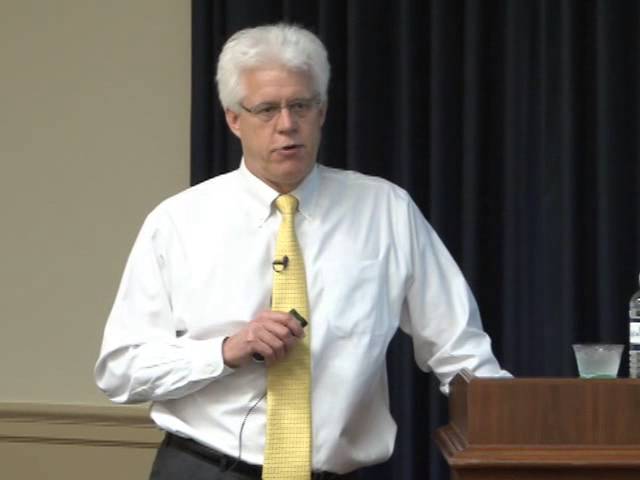
Heart Making and Heart Breaking: New Biological Strategies for Heart Repair
Keywords
Summary
139 words
Critical Evaluation
Value of the Information & Strength of the Argument
The talk provides valuable insights into cutting-edge research on heart regeneration, presenting data from his lab’s experiments, including the discovery of a regenerative window in neonatal mice and the identification of small molecules that can drive stem cells toward cardiac lineage. The argumentation is solid, based on experimental evidence and logical reasoning. He clearly explains the limitations of current stem cell approaches and justifies the need for alternative strategies. However, the talk is primarily an expert opinion and does not include a comprehensive review of all literature, but it is persuasive and well-supported.
Scientific Rigor, Source Quality, Title Accuracy
The presentation is scientifically rigorous, with references to his own published work and general knowledge in the field. He mentions specific experiments and results, but does not cite specific papers or external sources in the talk. The title accurately reflects the content, covering both the problem (heart breaking) and the potential solutions (heart making). The talk is aimed at a congressional audience, so it is accessible but still technically detailed. No comments were provided for analysis.
184 words
Title / Content Match
The title accurately reflects the content, which covers both the mechanisms of heart disease and new biological strategies for repair.
Quality & Reliability
8/10
The speaker is a leading expert in developmental biology of the heart, with numerous awards and affiliations. The content is based on his lab's research, published in peer-reviewed journals, and presented to a congressional caucus. The talk is scientifically rigorous, but as a single expert's perspective, it may not represent the full consensus.
Key Moments
Markers derived by PSI from the transcript: the creator did not define chapters.
- Introduction to the heart and its importance
- Overview of heart disease and myocardial infarction
- Heart failure statistics and current treatments
- Regeneration in lower vertebrates and neonatal mice
- Loss of regenerative ability with age and fibrosis
- Challenges with stem cell therapies
- Alternative approach: using small molecules to stimulate cardiac stem cells
- Gene therapy to convert fibroblasts into heart muscle cells
- Potential of using fat cells around the heart for regeneration
Cited Sources
- Coalition for the Life Sciences — Mentioned in the introduction as the organization hosting the briefing and where past briefings can be found.
Concurring Sources
- Heart regeneration in zebrafish — Supports the idea that some vertebrates can regenerate heart tissue.
Dissenting Sources
- Stem cell therapy for heart disease — While Dr. Olson is skeptical of stem cell therapies, some studies have shown modest benefits, indicating ongoing debate.
Contribution & Novelties
The talk presents novel findings from Dr. Olson’s lab, including the discovery that neonatal mice can regenerate their hearts, and the identification of small molecules and genes that can potentially stimulate cardiac regeneration. This is a significant contribution to the field of regenerative medicine.
Pour aller plus loin :
- Heart regeneration in zebrafish — Provides background on regenerative abilities in other species.
- Induced pluripotent stem cells — Discusses the technique mentioned in the talk.
- Myocardial infarction — For understanding the clinical context.
82 words
Radar Profile
The radar profile shows high scores in quality and quantity of information, with a moderate technical level, indicating a well-balanced presentation suitable for a scientific audience. The global reliability is high, reflecting the expertise of the speaker.