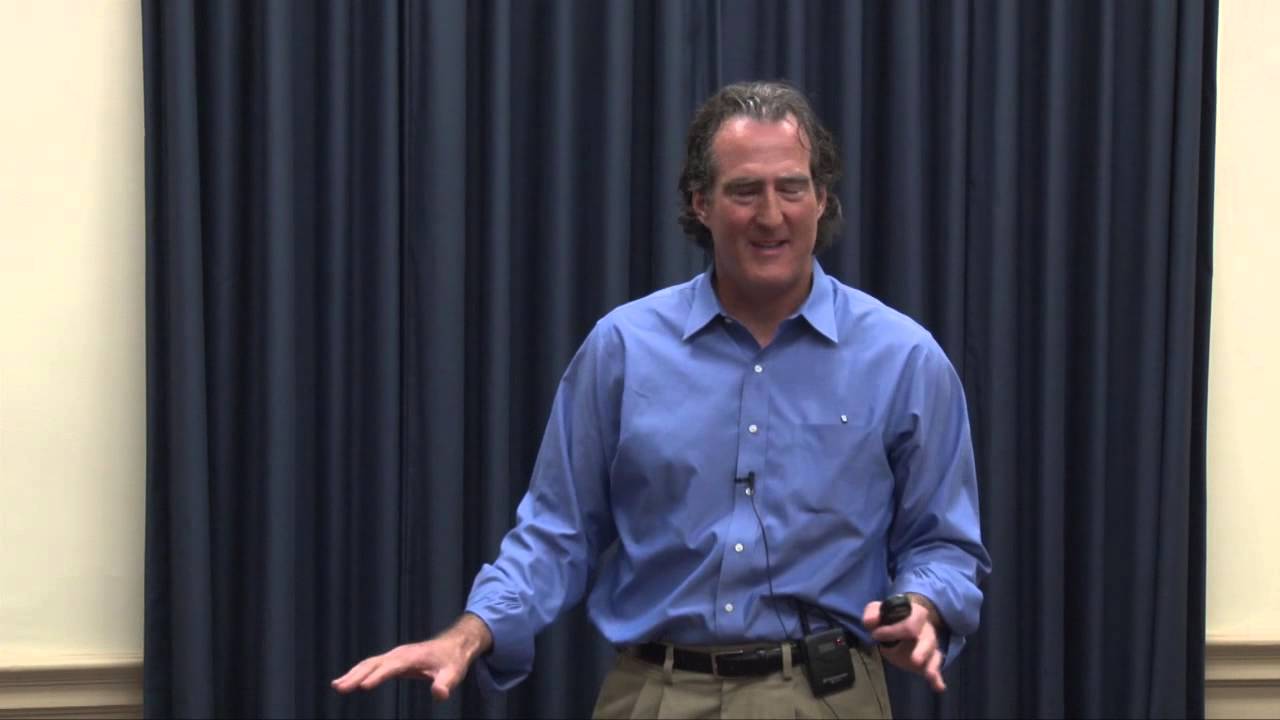
Silencing Human Disease with RNAinterference
Keywords
Summary
152 words
Critical Evaluation
Value of the Information & Strength of the Argument
The talk provides valuable insights into the discovery of RNAi and its significance in biology and medicine. Mello’s argumentation is compelling, drawing on evolutionary context and experimental evidence from C. elegans. He effectively communicates complex concepts to a general audience, using analogies and visual aids. The discussion of therapeutic potential is grounded in the mechanism’s specificity and versatility, though he acknowledges challenges such as delivery and off-target effects. Overall, the value lies in the authoritative perspective of a key discoverer, offering both historical context and future directions.
Scientific Rigor, Source Quality, Title Accuracy
The presentation is scientifically rigorous, reflecting Mello’s expertise and the Nobel Prize-winning research. He references specific experiments and findings, such as the genetic screen for RNAi-deficient mutants and the conservation of Argonaute genes. The title accurately reflects the content, focusing on RNAi’s role in silencing genes relevant to human disease. The talk does not cite external sources in detail, but the credibility of the speaker and the inclusion of well-established biological concepts ensure reliability.
176 words
Title / Content Match
The title accurately reflects the content, focusing on RNAi's potential to silence genes involved in human diseases.
Quality & Reliability
8/10
Presentation by Nobel laureate Craig Mello, providing a high-level overview of RNA interference (RNAi) with personal insights and historical context. The content is scientifically accurate but aimed at a general audience, lacking detailed experimental data.
Key Moments
Markers derived by PSI from the transcript: the creator did not define chapters.
- Introduction by Congressman Jim McGovern, praising Craig Mello's work.
- Mello begins his talk, explaining the relevance of studying worms and the evolutionary history of life.
- Discussion of the Cambrian explosion and the ancient origins of RNAi.
- Introduction to C. elegans as a model organism and its contributions to Nobel Prize-winning research.
- Explanation of the RNAi mechanism using animations and metaphors.
- Description of the genetic screen that identified RNAi-related genes, including rde-1.
- Discussion of the conservation of Argonaute proteins and the microRNA pathway.
- Mello highlights the potential therapeutic applications of RNAi for human diseases.
- Conclusion and Q&A session begins.
Cited Sources
- Nobel Prize in Physiology or Medicine 2006 — Mello mentions receiving the Nobel Prize for the discovery of RNA interference.
Concurring Sources
- Fire & Mello (1998) Nature paper on RNAi — Original discovery of RNAi in C. elegans.
Contribution & Novelties
This talk provides a unique first-hand account of the discovery of RNAi, offering insights into the scientific process and the importance of model organisms. Mello’s perspective as a Nobel laureate adds authority and depth to the discussion. He also touches on the broader implications of RNAi for epigenetics and evolution, which are not commonly covered in standard presentations.
Pour aller plus loin :
- RNA interference - Wikipedia — Overview of RNAi mechanism and applications.
- C. elegans as a model organism — Background on the worm used in the research.
- MicroRNA - Wikipedia — Related regulatory RNA molecules.
97 words
Radar Profile
The radar profile shows high scores in quality and reliability, reflecting the authoritative source and accurate content. The moderate score in technical level indicates the talk is accessible to a general audience, while the quantity of information is substantial but not exhaustive.
💬 No comments were provided for analysis.