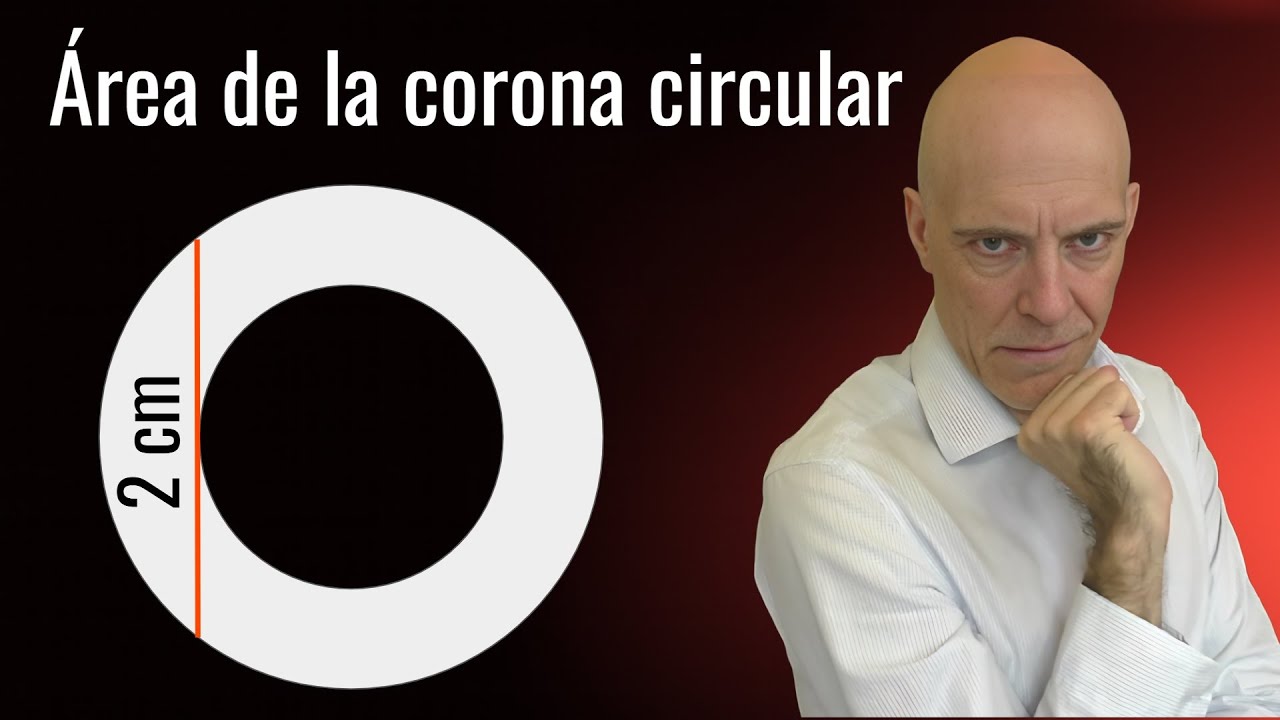
De los problemas más guapos de geometría básica❤️
Keywords
Summary
192 words
Critical Evaluation
The video is a clear and engaging tutorial on a classic geometry problem. The presenter’s approach is methodical and pedagogically sound, breaking down the problem into manageable steps and explaining each concept (concentric circles, tangent, Pythagorean theorem) as needed. The solution is correct and elegantly derived, showcasing the power of the Pythagorean theorem in relating geometric quantities. The presentation style is enthusiastic, which may enhance viewer engagement, but it also includes some digressions and informal language that could be distracting for some. The video does not cite any external sources, but for a basic geometry problem, this is not a significant drawback. The main strength is the clarity of the explanation and the logical progression from problem statement to solution. The main weakness is the lack of formal structure (no chapters) and the somewhat lengthy preamble before the solution begins. The title accurately reflects the content, and the video fulfills its promise of presenting a beautiful geometry problem. Overall, the video is a valuable resource for students learning geometry, providing a well-explained example that illustrates key concepts. The exercise at the end encourages active learning, which is a positive pedagogical feature. The video’s technical quality is good, with clear visuals and audio. In summary, the video is a solid educational resource, though it could benefit from more concise presentation and perhaps a summary at the end.
226 words
Title / Content Match
The title accurately reflects the content: a beautiful basic geometry problem involving concentric circles and an area calculation.
Quality & Reliability
8/10
The video presents a classic geometry problem with a clear, step-by-step solution. The reasoning is sound, based on the Pythagorean theorem and the formula for the area of a circle. The explanation is accurate and well-structured, though it lacks formal citations or references to external sources.
Key Moments
Markers derived by PSI from the transcript: the creator did not define chapters.
- Introduction to the problem: finding the area between two concentric circles given a tangent segment.
- Statement of the problem: the tangent segment is 2 cm.
- Explanation of the radii R and r, and the area formula for the annulus.
- Construction of the right triangle and application of the Pythagorean theorem.
- Derivation that R² - r² = 1, leading to the area = π cm².
- Presentation of a similar exercise for viewers to solve.
- Encouragement to try the exercise and reference to the playlist.
Cited Sources
- Playlist: Cálculo de áreas de figuras planas — Referenced in the video description as a resource for more area calculation problems.
Concurring Sources
- Pythagorean theorem — The theorem is correctly applied to relate the radii and the tangent segment.
Contribution & Novelties
The video provides a clear, step-by-step solution to a classic geometry problem, demonstrating the application of the Pythagorean theorem to find the area of an annulus. It emphasizes the elegance of the solution and offers a similar exercise for practice.
Pour aller plus loin :
- Pythagorean theorem — Fundamental theorem used in the solution.
- Annulus (mathematics) — Definition and properties of the region between two concentric circles.
- Area of a circle — Formula used in the calculation.
77 words
Radar Profile
The radar profile shows high scores in quality of information and reliability, with moderate scores in quantity and technical level. This indicates a focused, accurate tutorial that may not cover extensive material but is solid in its explanation.