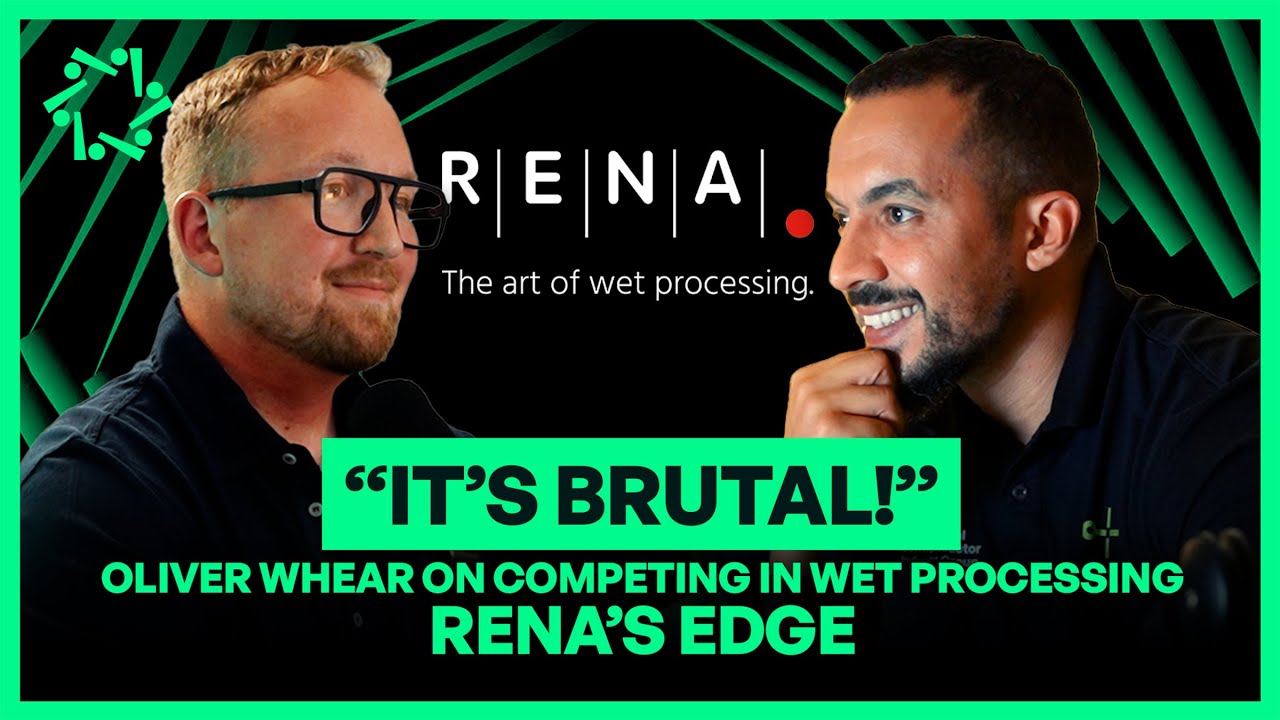
Beyond Silicon: The Thin Materials That Will Power the Next 50 Years of Tech
Keywords
Summary
167 words
Critical Evaluation
Value of the Information & Strength of the Argument
The value of the information is high for those interested in semiconductor manufacturing, as it provides insider perspectives on wet processing, 2D materials, and compound semiconductors. The argumentation is solid, based on the guest’s extensive experience and specific examples, such as the development of a single-step silicon carbide cleaning process. However, some claims, like the energy loss forecast for 2040, are presented without sources, which weakens the scientific rigor. The discussion is more opinion-based than data-driven, but the practical insights are valuable.
Scientific Rigor, Source Quality, Title Accuracy
The scientific rigor is moderate: the episode is an expert opinion without formal citations, but the guest’s credentials and practical examples lend credibility. The description provides no links to external sources, so the only sources are the guest’s personal experience. The title is somewhat sensational but broadly aligns with the content, which focuses on advanced materials and future technologies. The adequacy is acceptable, though the title could be more specific.
167 words
Title / Content Match
The title is somewhat broad and sensational ('Beyond Silicon', 'Next 50 Years'), but the content focuses on advanced materials and wet processing, which aligns with the theme of future semiconductor technologies.
Quality & Reliability
7/10
The discussion features an experienced industry expert (Oliver Whear) with a decade in semiconductor manufacturing, providing practical insights and specific examples. However, it is an opinion-based podcast without rigorous citations or peer-reviewed references, and some claims (e.g., energy loss forecast) are not sourced in the video.
Key Moments
Markers derived by PSI from the transcript: the creator did not define chapters.
- Introduction of guest Oliver Whear and his background.
- Rapid fire questions: favorite tool, 2D materials, roadmaps.
- Discussion on career journey and wet process importance.
- Challenges of 2D materials: clean compatibility and scaling.
- Compound semiconductors: silicon carbide and gallium nitride innovations.
- Role of standards and ecosystems in semiconductor industry.
- Sustainability and cost reduction in wet processes.
- Advice for young engineers and final thoughts.
Contribution & Novelties
The episode provides a unique perspective on the often-overlooked wet processing sector, highlighting its critical role in semiconductor manufacturing. It offers practical insights into the challenges of scaling 2D materials and the importance of manufacturability. The discussion on silicon carbide cleaning innovation is a concrete example of process improvement.
Pour aller plus loin :
- 2D materials — Overview of 2D materials and their properties.
- Semiconductor device fabrication — Background on manufacturing processes.
- Wet processing — General concept of wet chemical processing in manufacturing.
83 words
Radar Profile
The radar profile shows balanced scores across information quantity, quality, technical level, and reliability, indicating a well-rounded but not exceptional episode. The high quantity and quality of information are offset by moderate technical depth and reliability, reflecting the expert opinion nature of the content.