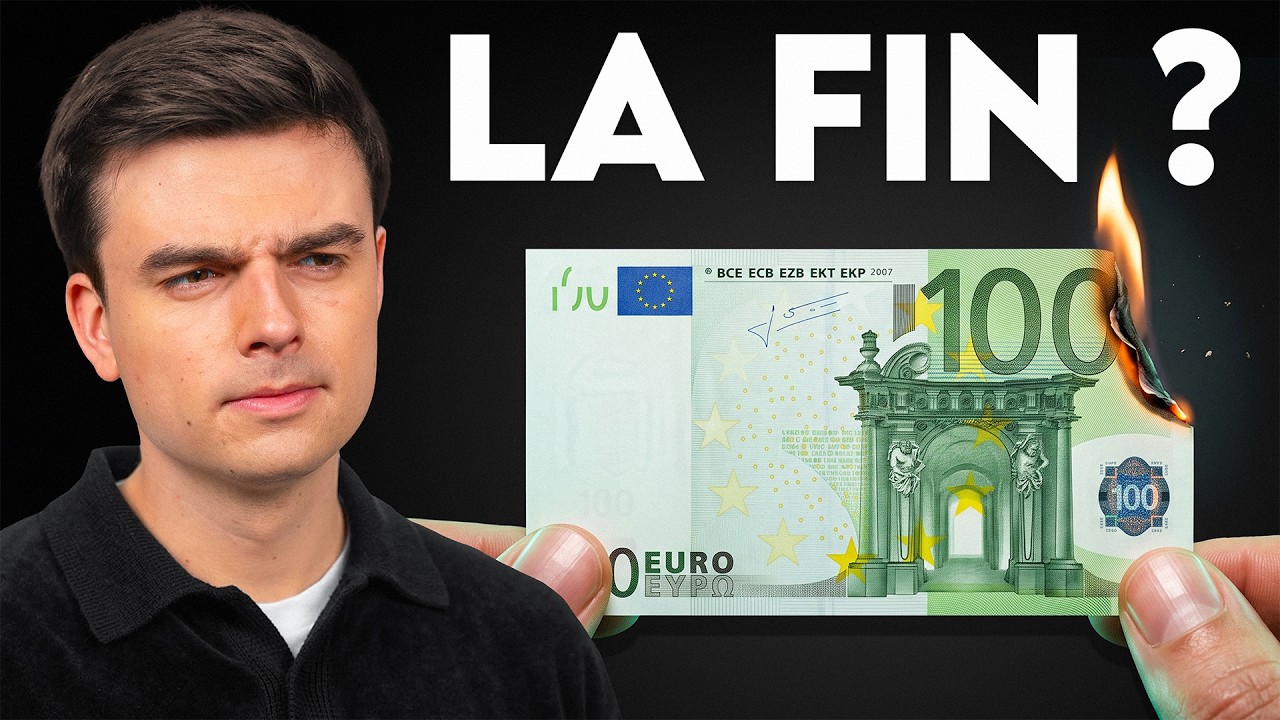
L'euro numérique arrive en France, voici ce qui change
Keywords
Summary
151 words
Critical Evaluation
The video provides a clear and accessible overview of the digital euro project, effectively explaining its purpose, potential benefits, and the controversies surrounding it. The host presents information in a neutral tone, outlining both the official rationale from the European Central Bank and the criticisms raised by opponents. The use of a concrete example (the French judge sanctioned by the US) helps illustrate the geopolitical dimension of payment system dependency. However, the analysis remains at a surface level. The video does not delve into the technical details of how the digital euro would work, such as the underlying infrastructure, the role of intermediaries, or the specific privacy protections (e.g., offline mode). It also does not critically examine the economic implications, such as the impact on bank deposits or the potential for disintermediation. The sources cited are mainstream news articles (France Info, Le Monde, Toute l’Europe), which are reputable but not primary sources like ECB reports or academic papers. The video’s strength lies in its clarity and balance, but it lacks depth and original analysis. The inclusion of other news items (heatwave, earthquake, etc.) dilutes the focus on the digital euro. The host does not present any personal opinion or bias, which is appropriate for a news review format. The video is suitable for a general audience seeking a basic understanding of the topic, but it does not offer new insights for those already familiar with CBDCs. The absence of technical jargon makes it accessible, but also limits its informational value for more knowledgeable viewers. Overall, the video is a competent journalistic summary but not a rigorous scientific or analytical piece.
270 words
Title / Content Match
The title accurately reflects the main topic, but the video also covers other news items (heatwave, Venezuela, etc.), making the title slightly narrower than the content.
Quality & Reliability
The video provides a factual overview of the digital euro project, citing official sources and explaining both official motivations and criticisms. However, it lacks in-depth analysis and relies on journalistic summaries rather than primary sources. The presentation is balanced but does not critically evaluate the technical or economic feasibility.
Key Moments
- Introduction and sponsorship mention
- Explanation of what digital euro is
- Reasons for digital euro: adapting to new uses and strategic autonomy
- Example of judge Nicolas Guillot under US sanctions
- Comparison with cryptocurrencies and stablecoins
- Heatwave and excess deaths in Europe
- Earthquake in Venezuela
- Israel recognizes Armenian genocide
- Elections in New Caledonia
- Acetamiprid pesticide reauthorization debate
Cited Sources
- Le Parlement européen donne son feu vert au lancement du projet d'euro numérique ✓ verified — Source for European Parliament approval of digital euro project
- Mieux vaut un euro numérique imparfait que pas d'euro numérique du tout ✓ verified — Opinion piece arguing for digital euro despite imperfections
- Euro numérique : en matière de moyens de paiement, la domination américaine est très dangereuse ✓ verified — Article discussing risks of US dominance in payment systems
Concurring Sources
- Digital Euro: A Policy Perspective (ECB) — ECB's official rationale for digital euro aligns with motivations cited in video
Dissenting Sources
- Why a Digital Euro Could Be a Bad Idea (Financial Times) — Some economists argue digital euro could destabilize banks and reduce privacy, contrary to video's neutral presentation
Contribution & Novelties
The video provides a concise, up-to-date summary of the digital euro project as of June 2026, including the European Parliament’s approval and the planned 2029 launch. It highlights geopolitical motivations (reducing dependence on US payment networks) and addresses common concerns (privacy, surveillance, potential restrictions). The inclusion of a real-world example (sanctioned judge) adds concreteness. However, the information is largely derivative of news articles and does not offer original analysis or new data.
Pour aller plus loin :
- Central Bank Digital Currencies: A Comprehensive Overview (IMF) — Overview of CBDCs globally, including design choices and policy implications.
- Digital Euro: A Policy Perspective (ECB) — ECB’s official stance and objectives for the digital euro.
- The Geopolitics of Payment Systems (Carnegie Endowment) — Analysis of how payment infrastructure affects geopolitical power dynamics.
129 words
Radar Profile
The radar profile shows moderate scores across all dimensions, indicating a balanced but not deeply informative video. The quantity and quality of information are adequate for a news review, but the technical depth is low, and reliability is moderate due to reliance on secondary sources.
💬 Négatif : Les commentaires expriment majoritairement une méfiance envers l'euro numérique, perçu comme une menace pour les libertés individuelles et la vie privée, avec des comparaisons à la Chine et des craintes de contrôle étatique. Sur les 30 commentaires analysés, la plupart s'opposent au projet, bien que quelques-uns défendent l'innovation.