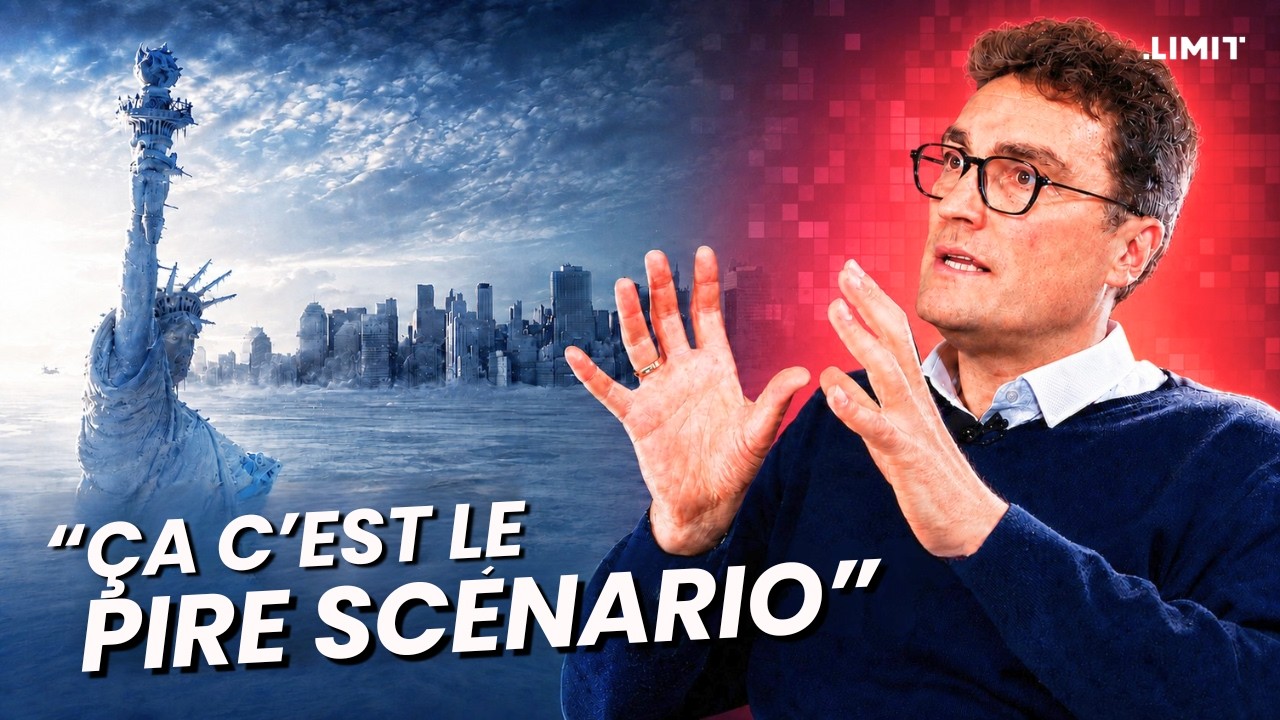
Un expert du climat réagit à des films de catastrophe naturelles
Keywords
Summary
176 words
Critical Evaluation
The video provides a compelling and accessible expert perspective on climate change, using film clips as a springboard for deeper discussion. Wallenhorst’s arguments are well-founded in scientific consensus, particularly his emphasis on non-linear climate changes and the inadequacy of technological fixes like geoengineering. His critique of overpopulation narratives is nuanced, correctly pointing out that the issue is not population size but consumption patterns and inequality. The discussion of emotional responses to climate change adds a human dimension often missing from scientific discourse, and his call for collective action is inspiring. However, the video is not without weaknesses. The format is inherently subjective, as it is an opinion piece rather than a systematic analysis. Some claims, such as the specific number of deaths from sulfur pollution, are stated without citation, though they are plausible. The political commentary, particularly the critique of capitalism and the tax on the wealthy, is ideologically charged and may not appeal to all viewers. The adéquation between the title and content is good, as the expert does react to the films, but the focus is more on the underlying issues than on the films themselves. Overall, the video is a valuable contribution to climate communication, offering a thoughtful and engaging perspective that encourages critical thinking. It is well-produced and likely to resonate with audiences interested in climate and societal issues.
223 words
Title / Content Match
The title accurately reflects the content: a climate expert reacts to clips from disaster films, providing commentary on their realism and relevance to real climate issues.
Quality & Reliability
7/10
The video features Nathanaël Wallenhorst, a recognized expert in climate and political science, providing informed commentary on climate change and societal responses. The content is grounded in scientific consensus, though it includes subjective opinions and political perspectives. The production is professional, and the expert's credentials are credible, but the format is primarily opinion-based rather than presenting original research.
Chapters
Cited Sources
- 2049 by Nathanaël Wallenhorst — Book by the expert, referenced in the video description, likely containing his detailed analysis on climate and societal futures.
- LIMIT media website — Official website of the channel, providing additional content and context.
- LIMIT on Bluesky — Social media profile of the channel, for further engagement.
Concurring Sources
- IPCC Reports — Scientific consensus on climate change impacts and risks, supporting the expert's statements.
Dissenting Sources
Contribution & Novelties
The video offers a unique format that combines film analysis with expert commentary, making climate science more relatable and engaging. It challenges common misconceptions about climate change, such as the idea of overpopulation and the effectiveness of geoengineering. The expert’s emphasis on non-linear tipping points and the need for systemic change provides a fresh perspective.
Pour aller plus loin :
- Tipping points in the climate system — Relevant to the balloon analogy and non-linear changes.
- Climate change adaptation — Discusses the gradual impacts and adaptation strategies.
- Geoengineering — Explores the technical solutions critiqued in the video.
- Overpopulation — Provides background on the population debate.
- Climate justice — Relates to the discussion on inequality and responsibility.
115 words
Radar Profile
The radar profile shows high scores in quality of information and reliability, reflecting the expert's credibility and scientific grounding. The quantity of information is moderate, and the technical level is accessible, making it suitable for a broad audience. The overall balance indicates a well-rounded and trustworthy content.
💬 Sur les 0 commentaires analysés, aucune tendance n'est disponible.