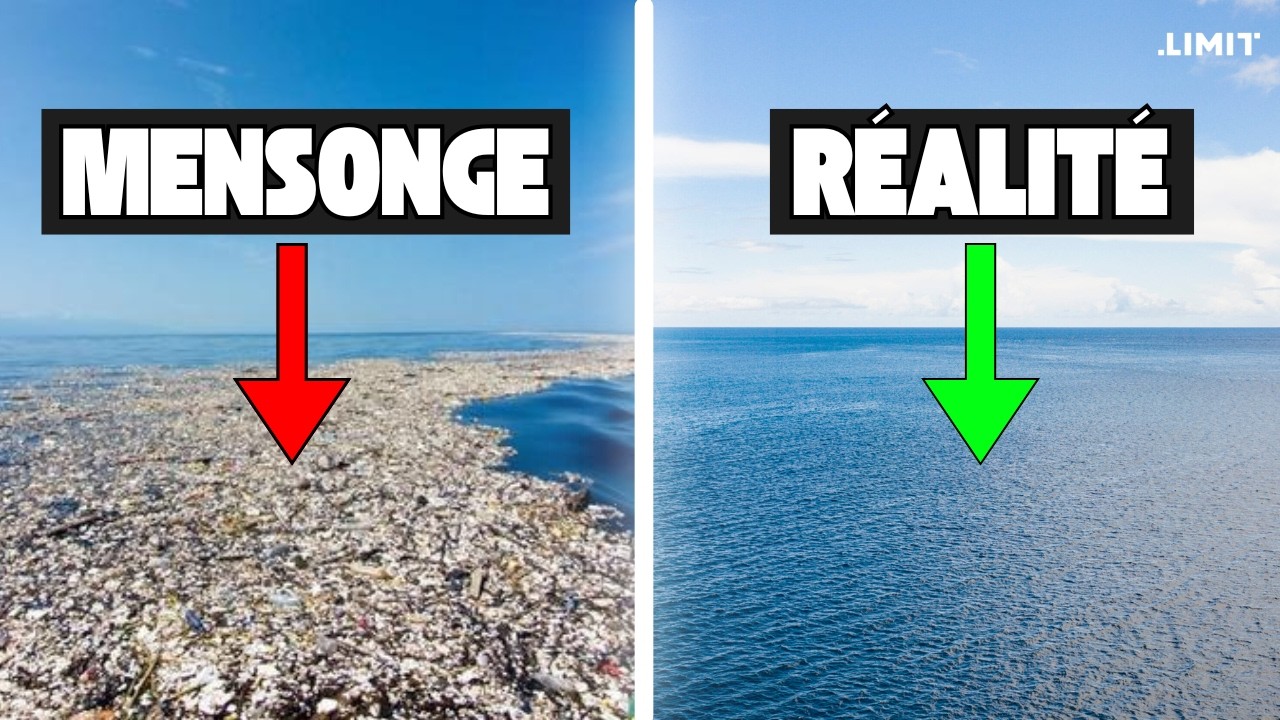
La vérité cachée sur le continent plastique
Keywords
Summary
162 words
Critical Evaluation
The video provides a valuable and largely accurate overview of plastic pollution in oceans, effectively correcting common misconceptions. It successfully communicates scientific findings in an accessible manner, using clear explanations and visual aids. The argumentation is generally solid, with a balanced view on responsibility, acknowledging both individual and systemic factors. The inclusion of specific studies and data (e.g., the percentage of plastic that sinks) enhances credibility. However, some simplifications may lead to minor inaccuracies, such as the oversimplified link between plastic degradation and ocean acidification, which is a complex process influenced by multiple factors. The video also relies on a limited number of sources, though it provides a link to a document with references. The adéquation between title and content is good, as it reveals surprising facts about plastic distribution. The public comments reflect a positive reception, with viewers appreciating the informative content and nuanced perspective. Overall, the video is a reliable educational resource, though viewers should seek additional sources for deeper scientific understanding.
164 words
Title / Content Match
The title accurately reflects the content, which reveals surprising facts about where plastic accumulates in oceans, challenging common perceptions.
Quality & Reliability
7/10
The video presents a well-structured overview of plastic pollution in oceans, citing scientific studies and providing nuanced explanations. It debunks common misconceptions (e.g., the 'plastic continent' imagery) and highlights the role of industrial production and waste management. However, some claims lack specific citations within the video, and the section on ocean acidification is oversimplified. Overall, the information is reliable and aligns with current scientific consensus.
Chapters
Cited Sources
- Sources document (Google Docs) — The video description provides a link to a document with sources and references used in the video.
Concurring Sources
- Plastic pollution in the world's oceans — Scientific study estimating the amount of plastic entering the oceans, supporting the video's claims about the scale of pollution.
- The deep sea is a major sink for microplastic debris — Research showing that microplastics accumulate in deep-sea sediments, aligning with the video's statement that most plastic ends up on the seafloor.
Dissenting Sources
- Ocean acidification and plastic degradation — The video suggests that plastic degradation significantly contributes to ocean acidification, but scientific consensus indicates that the primary driver is CO2 absorption from the atmosphere. Plastic's contribution is negligible compared to fossil fuel emissions.
External References
Contribution & Novelties
The video offers a fresh perspective on plastic pollution by debunking the ‘plastic continent’ myth and emphasizing that most plastic is not floating on the surface but is submerged or on the seafloor. It also highlights the systemic nature of plastic pollution, linking it to industrial production and waste management practices. The video provides a clear explanation of the journey of plastic waste and its environmental and health impacts.
Pour aller plus loin :
- Great Pacific Garbage Patch — Provides detailed information on the accumulation zone and its composition.
- Microplastics — Overview of sources, distribution, and impacts of microplastics.
- Ocean acidification — Explains the process and its effects on marine life, though the video’s link to plastic is simplified.
- Global Plastics Treaty — Information on international negotiations to address plastic pollution.
131 words
Radar Profile
The radar profile shows strong scores in information quantity and quality, with moderate technical depth and reliability. This indicates a well-balanced educational video that is informative and credible, though it could benefit from more in-depth technical explanations and additional citations.
💬 Positive and engaged: Viewers appreciate the informative content and nuanced perspective, with many expressing gratitude and sharing personal observations. Some comments highlight the systemic nature of the problem and call for collective action.