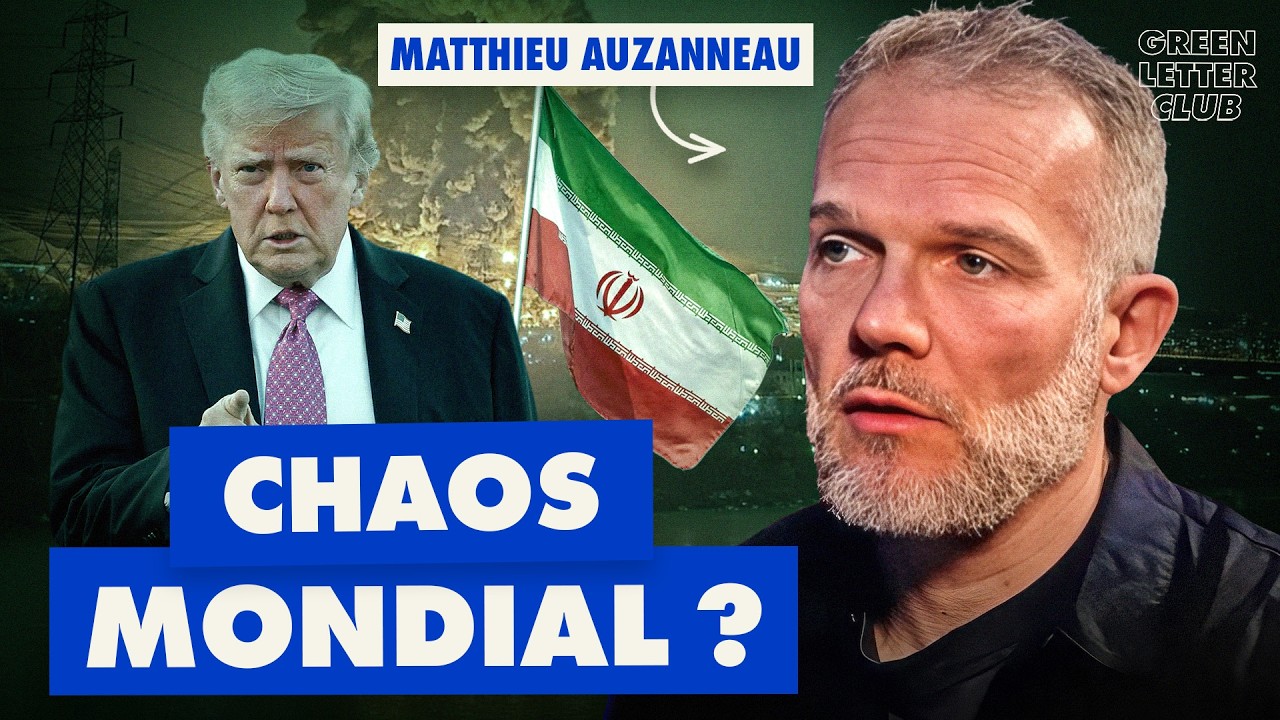
L'EFFONDREMENT SILENCIEUX : COMMENT L'INFLATION VA TOUS NOUS RATTRAPER
Keywords
Summary
208 words
Critical Evaluation
The video provides a thorough and insightful analysis of the geopolitical and economic ramifications of the Strait of Hormuz closure, featuring Matthieu Auzanneau, a well-respected expert in energy issues. Auzanneau’s arguments are well-structured and grounded in historical precedents, such as the Iran-Iraq War and the 2008 food riots, which strengthens the credibility of his claims. He effectively explains complex mechanisms, such as the transmission of oil price shocks to food prices via fertilizers and transportation costs, making the content accessible without oversimplifying. The discussion is rigorous, with attention to detail and a clear logical flow. However, the video is primarily an opinion piece based on the guest’s expertise rather than a systematic review of scientific literature. While Auzanneau references historical events and current data, he does not cite specific sources during the conversation, which limits the verifiability of some claims. The production quality is high, though viewers noted minor audio issues, such as low volume and disruptive table thumping. The title accurately reflects the content, focusing on the silent economic collapse driven by inflation. Overall, the video offers valuable insights into a critical global issue, but its reliance on expert opinion rather than cited sources slightly reduces its scientific rigor.
200 words
Title / Content Match
The title accurately reflects the content, which focuses on the silent economic collapse triggered by inflation following the oil shock.
Quality & Reliability
8/10
The video features Matthieu Auzanneau, a recognized journalist and former director of The Shift Project, providing expert analysis on the geopolitical and economic consequences of the Strait of Hormuz closure. The discussion is grounded in historical context and current events, but relies on the guest's expertise rather than peer-reviewed sources. The production quality is high, though minor audio issues were noted by viewers.
Chapters
Contribution & Novelties
The video provides a timely and expert analysis of the unprecedented closure of the Strait of Hormuz and its global economic implications. It offers a clear explanation of the mechanisms linking oil prices to inflation and food security, drawing on historical parallels. The discussion highlights the asymmetric impact on Asian countries and the potential for social unrest, as well as the geopolitical dynamics involving the EU and the US.
Pour aller plus loin :
- Strait of Hormuz - Wikipedia — Provides background on the strait’s strategic importance.
- Oil Shock - Wikipedia — Historical context on previous oil shocks.
- The Shift Project — Organization formerly led by the guest, focusing on decarbonization.
111 words
Radar Profile
The radar profile shows high scores in information quantity and quality, indicating a content-rich and well-argued video. The technical level is moderate, suitable for a general audience, while reliability is strong due to the guest's expertise. Overall, the video is a valuable resource for understanding the current energy crisis.
💬 Positif. Sur les 30 commentaires analysés, la majorité exprime des remerciements et des éloges pour l'analyse, avec quelques remarques sur des problèmes audio et des appels à approfondir certains sujets.