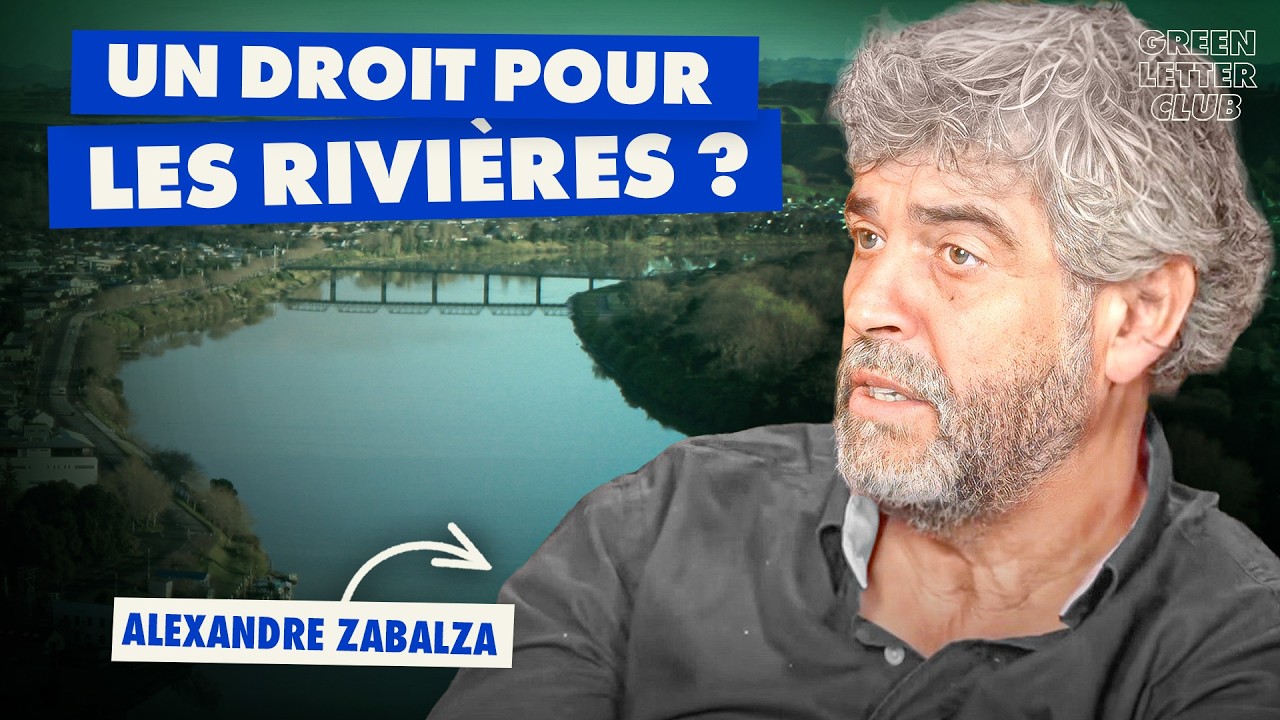
La Nature devant les tribunaux ?
Keywords
Summary
154 words
Critical Evaluation
The interview provides a comprehensive and accessible overview of the rights of nature movement, grounded in the expertise of a legal scholar. Zabalza effectively explains complex legal concepts, such as legal personhood and guardianship, using concrete examples from around the world. The historical narrative, centered on Christopher Stone’s influential article, is well-structured and highlights the intellectual foundations of the movement. The discussion of the Mar Menor case in Spain is particularly valuable, as it illustrates a recent and concrete application of these ideas in Europe. However, the interview is primarily descriptive and lacks critical analysis of the potential drawbacks or limitations of granting rights to nature. For instance, the practical challenges of enforcing such rights, the potential for conflicts with existing legal frameworks, and the philosophical debates about the intrinsic value of nature are not deeply explored. The sources cited are mostly legal cases and legislation, but the interview does not reference academic critiques or empirical studies on the effectiveness of these laws. Additionally, the discussion of the French context, while interesting, remains speculative and does not provide a clear assessment of the feasibility of similar initiatives in France. Overall, the interview is informative and thought-provoking, but it would benefit from a more balanced examination of the arguments for and against the rights of nature.
215 words
Title / Content Match
The title accurately reflects the content, which explores the legal rights of nature and their application in courts.
Quality & Reliability
8/10
The interview features an academic expert (professor of law) and references key legal cases and legislation, but relies on anecdotal evidence and lacks peer-reviewed sources.
Chapters
- Extraits
- Introduction
- Les droits de la Nature
- 1972 : Christopher Stone, le pionnier des droits de la Nature
- Les grandes initiatives : Bolivie, Équateur et Nouvelle-Zélande
- La Mar Menor : l'Espagne, pionnière en Europe
- Les écosystèmes devant les tribunaux ?
- Des gardiens de la Nature
- Et en France ?
- Les peuples autochtones
- La question de la personnalité juridique
- L'échelle des êtres
- Protéger les individus ou les écosystèmes ?
- Le Ciron : une initiative unique ?
- Quelle protection juridique ?
Cited Sources
- Should Trees Have Standing? — Christopher Stone's 1972 article that proposed legal rights for natural objects.
- Whanganui River Settlement — New Zealand legislation granting legal personhood to the Whanganui River.
- Mar Menor Law — Spanish law recognizing the Mar Menor lagoon as a legal person.
Concurring Sources
- Should Trees Have Standing? — Stone's article is foundational to the rights of nature movement.
- Whanganui River Settlement — Example of legal personhood for a river.
Dissenting Sources
- Critique of Rights of Nature — Some legal scholars argue that granting rights to nature is anthropocentric and may not effectively protect ecosystems.
Contribution & Novelties
The interview provides a clear and accessible synthesis of the rights of nature movement, highlighting key legal cases and philosophical foundations. It offers a European perspective, particularly on the Mar Menor case, which is often underrepresented in English-language discussions.
Pour aller plus loin :
- Rights of Nature — Overview of the global movement.
- Aldo Leopold’s Land Ethic — Philosophical background.
- Christopher Stone — Biography and contributions.
66 words
Radar Profile
The radar profile shows high scores in information quantity, quality, and technical level, indicating a well-informed and detailed discussion. The reliability score is also high, reflecting the expert status of the guest and the use of concrete legal examples.
💬 Sur les 0 commentaires analysés, aucune tendance n'est disponible.