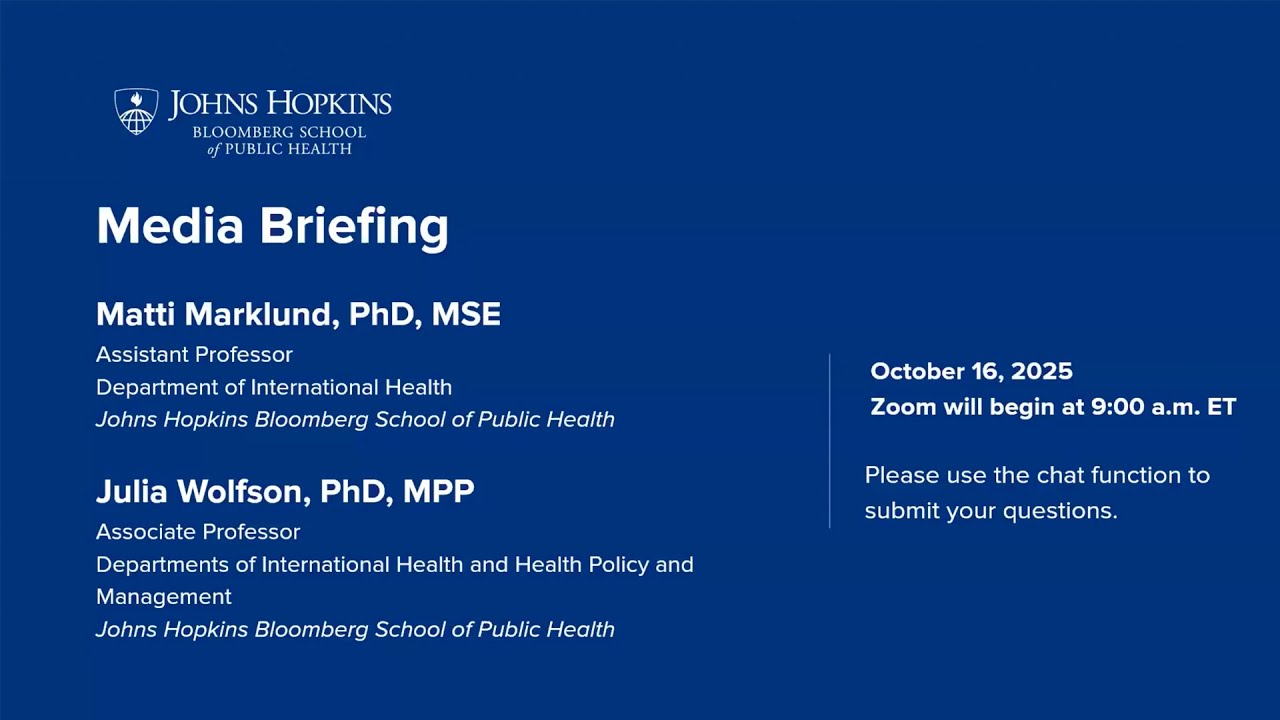
Media Briefing on Seed Oils and Ultra-Processed Foods | October 16, 2025
Keywords
Summary
179 words
Critical Evaluation
Value of the Information & Strength of the Argument
The value of the information is high, as it provides clear, evidence-based explanations on controversial topics. The speakers cite scientific studies and distinguish between correlation and causation. The argumentation is solid, with experts acknowledging nuances (e.g., not all ultra-processed foods are equally harmful) and avoiding oversimplification. They also address common misconceptions and provide practical advice, enhancing the practical value for the audience.
Scientific Rigor, Source Quality, Title Accuracy
The scientific rigor is strong, with experts from a reputable institution presenting evidence-based information. They reference scientific literature and institutional resources, though specific citations are not always given in the video. The title accurately reflects the content, and the discussion stays on topic. The sources cited in the description are authoritative (e.g., FDA, Johns Hopkins publications). The briefing is well-structured and transparent about uncertainties.
141 words
Title / Content Match
The title accurately reflects the content: a media briefing on seed oils and ultra-processed foods.
Quality & Reliability
8/10
The briefing features two academic experts from a reputable public health institution, presenting evidence-based information and citing scientific literature. The discussion is balanced, acknowledges uncertainties, and avoids overstatement. However, it is a media briefing rather than a peer-reviewed publication, and some claims lack specific citations within the video.
Chapters
- Introduction
- Seed oils and health
- Ultra-processed food consumption
- Why seed oils have become controversial
- Tracking food insecurity
- Dietary guidelines
- Seed oils and high temperatures
- Comparing seed oils
- Using tallow and butter instead of seed oils
- Barriers to reducing use of ultra-processed foods
- How to inform about seed oils
- Sodas with sugar or artificial sweeteners
- Misunderstandings about ultra-processed foods
- What should doctors advise regarding seed oils
- Reusing seed oils
- Final thoughts on seed oils
- Final thoughts on ultra-processed foods
Cited Sources
- Johns Hopkins Bloomberg School of Public Health — Main website of the institution hosting the briefing.
- Ultra-Processed Foods Account for More than Half of Calories Consumed at Home — Research article supporting the claim that ultra-processed foods dominate U.S. diets.
- Influence vs. Evidence: The Science Supporting Seed Oils — Article summarizing evidence on seed oils, likely referenced by the speakers.
- Matti Marklund - Faculty Profile — Profile of the speaker, providing credentials.
- Julia Wolfson - Faculty Profile — Profile of the speaker, providing credentials.
- Ultra-Processed Foods (FDA) — FDA resource on ultra-processed foods, cited as a reference.
- Fats and Your Food: Striking a Heart-Smart Balance — Hopkins Medicine article on fats, likely supporting advice on seed oils.
Concurring Sources
- Ultra-Processed Foods Account for More than Half of Calories Consumed at Home — Supports the claim that ultra-processed foods are prevalent in U.S. diets.
- Influence vs. Evidence: The Science Supporting Seed Oils — Aligns with the speakers' statements on seed oil health effects.
Contribution & Novelties
This briefing provides a balanced, evidence-based perspective on seed oils and ultra-processed foods, countering misinformation with scientific consensus. It clarifies that seed oils are not inherently unhealthy and that ultra-processed foods are a complex category requiring nuanced policy approaches. The discussion on food insecurity and its link to ultra-processed food consumption adds a social dimension often overlooked.
Pour aller plus loin :
- NOVA food classification — The classification system used to define ultra-processed foods.
- Omega-6 fatty acid — Background on the essential fatty acid discussed.
- Dietary Guidelines for Americans — Official guidelines that may incorporate ultra-processed food recommendations.
98 words
Radar Profile
The radar profile shows high scores in information quantity and quality, with moderate technical level. This indicates a content-rich briefing that is accessible to a broad audience while maintaining scientific depth. The reliability score is high, reflecting the credibility of the speakers and sources.
💬 Sur les 0 commentaires analysés, aucune tendance n'est disponible.