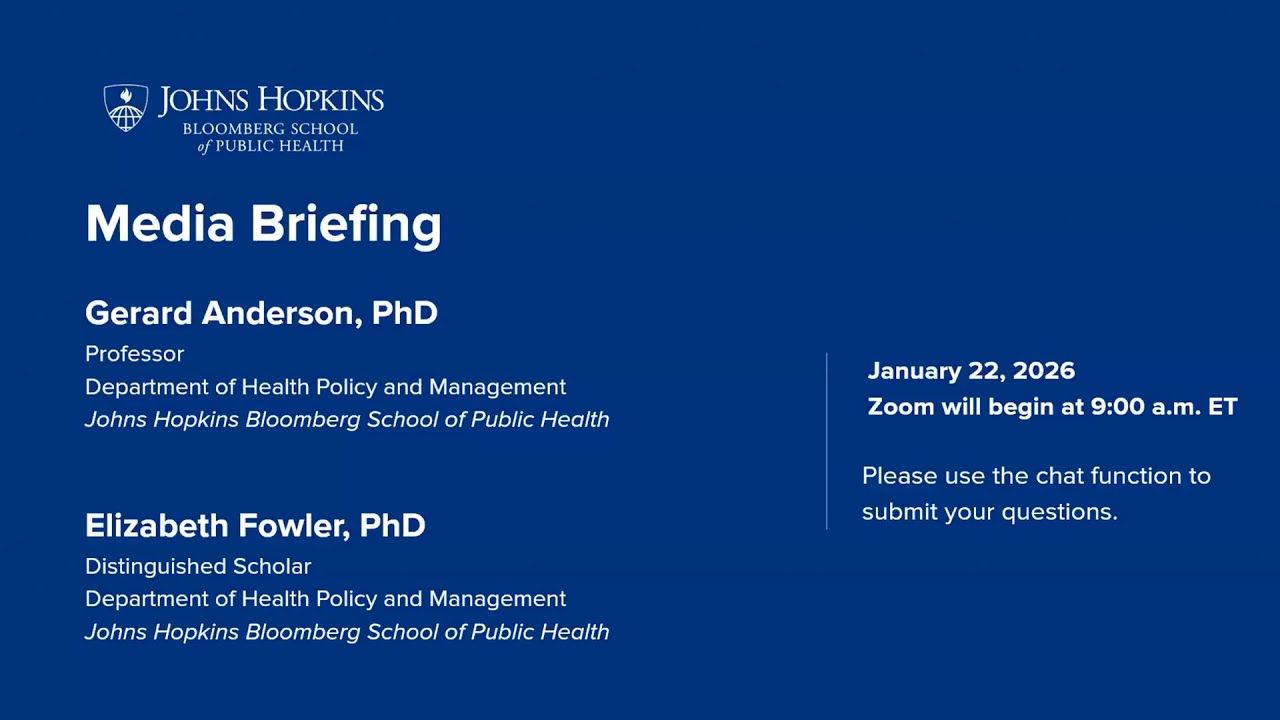
Media Briefing on Health Insurance & the Affordable Care Act | January 22, 2026
Keywords
Summary
191 words
Critical Evaluation
Value of the Information & Strength of the Argument
The briefing provides valuable insights into the current state of U.S. health insurance, particularly the implications of expiring ACA subsidies and the proposed shift to health savings accounts. The argumentation is solid, grounded in the experts’ knowledge of health policy and economics. They effectively explain why giving people money is not equivalent to providing insurance, using concrete examples like cancer treatment costs and emergency room visits. They also address the operational challenges of implementing such proposals, such as determining eligibility and distribution. The discussion on rising healthcare costs and the potential for adverse selection in ACA markets is well-reasoned. However, some claims, such as the percentage of bankruptcies due to medical bills, are stated without specific citations, which slightly weakens the overall rigor.
132 words
Title / Content Match
The title accurately reflects the content: a media briefing on health insurance and the ACA, with a focus on the expiration of subsidies and proposed alternatives.
Quality & Reliability
8/10
The briefing features two experts in health policy from a reputable institution, providing informed analysis based on current policy and research. However, it is an opinion/analysis piece rather than a peer-reviewed study, and some claims lack direct citations.
Chapters
- Introduction
- How ACA plans differ from employer-sponsored plans
- Why giving people money is not the same as having health insurance
- What is causing health costs to rise
- Individual Coverage Health Reimbursement Arrangement plans
- Impact on hospitals
- Should health insurers absorb costs from loss of ACA subsidies
- Impact in rural areas
- Advice for people who are uninsured
- Effects on primary care
- Impacts on getting preventative care
- Advice for consumers where ACA enrollment is still active
- How the U.S. health system compares to other countries
- Closing remarks
Cited Sources
- How New Federal Legislation Will Affect Health Care Costs and Access for Americans — Referenced as a resource for understanding the impact of new legislation on ACA, Medicaid, and Medicare.
- What’s Behind Rising Health Insurance Costs? — Referenced as a resource for understanding the drivers of rising health insurance costs.
- The Potential Impacts of Cuts To Medicaid — Referenced as a resource for understanding the effects of Medicaid cuts.
- Public Health On Call: The New Reality Facing Medicare, Medicaid, and the ACA — Referenced as a podcast discussing the new reality for Medicare, Medicaid, and the ACA.
Concurring Sources
- How New Federal Legislation Will Affect Health Care Costs and Access for Americans — Likely aligns with the briefing's discussion on the impact of legislation on ACA and Medicaid.
- What’s Behind Rising Health Insurance Costs? — Likely aligns with the briefing's analysis of rising costs.
Dissenting Sources
- No discordant sources identified — No sources contradicting the briefing's main points were found in the provided materials.
Contribution & Novelties
The briefing offers a timely expert analysis of the policy debate surrounding ACA subsidies and the proposed shift to health savings accounts. It provides a clear explanation of why direct payments are not a substitute for insurance, and highlights the potential negative consequences for vulnerable populations. The discussion on the operational challenges of implementing such proposals is particularly insightful.
Pour aller plus loin :
- Affordable Care Act — Provides background on the ACA and its provisions.
- Health savings account — Explains the mechanics and limitations of HSAs.
- Adverse selection — Relevant to the discussion of healthy people dropping coverage.
- Medical debt in the United States — Context for the claim about bankruptcies.
112 words
Radar Profile
The radar profile shows high scores in quantity and quality of information, and global reliability, reflecting the expert analysis and reputable source. The technical level is moderate, indicating accessibility to a general audience. The overall high scores suggest a reliable and informative briefing.