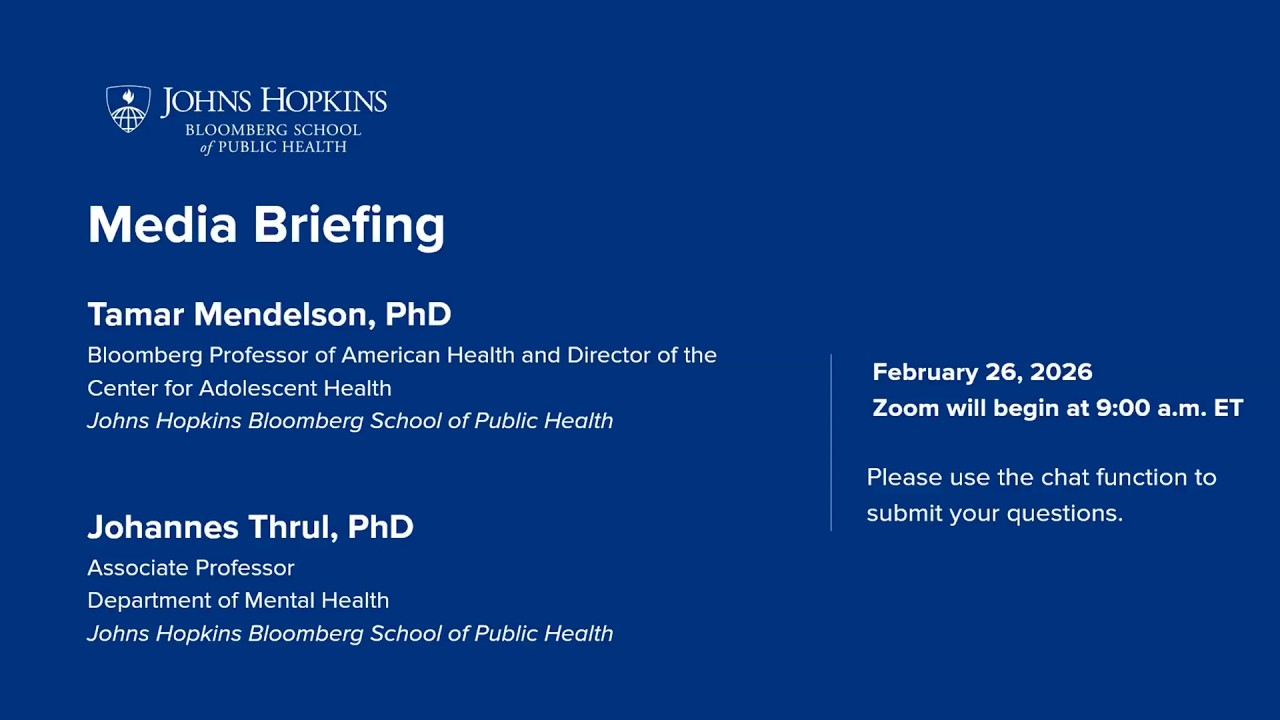
Media Briefing: Social Media & Mental Health
Keywords
Summary
175 words
Critical Evaluation
Value of the Information & Strength of the Argument
The value of the information is high, as it synthesizes current research and expert opinion on a pressing public health issue. The argumentation is solid, grounded in references to systematic reviews, Delphi consensus, and experimental trials. The speakers acknowledge the complexity and heterogeneity of effects, avoiding oversimplification. They also provide actionable recommendations for parents and policymakers, enhancing practical value.
Scientific Rigor, Source Quality, Title Accuracy
The scientific rigor is strong, with experts from a leading public health institution citing peer-reviewed literature and ongoing research. The quality of sources is high, including a Delphi review and meta-analyses. The title accurately reflects the content, which is a media briefing on social media and mental health. The discussion is balanced, presenting both risks and benefits, and avoids overstating conclusions.
135 words
Title / Content Match
The title accurately reflects the content, which focuses on the relationship between social media and mental health.
Quality & Reliability
8/10
The briefing features two experts from a reputable institution, referencing peer-reviewed studies and systematic reviews. However, it is a media briefing with limited depth and no formal citations, and some claims are based on emerging evidence.
Chapters
- Introduction
- Positive and negative aspects of social media
- What’s known about social media and mental health
- What parents can do
- Why teens are particularly vulnerable
- How social media affects older adults
- AI chatbot use
- Social media use disorder
- Addiction aspects of social media
- Is it possible to train the algorithm to support mental health?
- Smartphone bans in schools
- Minimum age limits
- Benefits and risks
- Dangers of AI chatbots
- How parents can help
- Guardrails are needed for technology use
Cited Sources
- Tamar Mendelson - Bloomberg American Health Initiative — Profile of speaker Tamar Mendelson, providing her credentials and research focus.
- Johannes Thrul - Johns Hopkins Public Health Faculty — Profile of speaker Johannes Thrul, detailing his expertise in social media and health.
- Bloomberg American Health Initiative — Initiative supporting research and policy on public health issues, including mental health.
- Mental Health in the Scroll Age — Article from Johns Hopkins Public Health Magazine discussing social media's impact on mental health.
- Social media is fueling a public health crisis for children and teens — News article on the public health crisis and policy responses related to social media and youth.
- Kids Turning to Chatbot Therapy — Article discussing the use of AI chatbots for mental health among youth.
- What's behind the ban on cell phones in K-12 schools? — Q&A on school cell phone bans and their implications.
- Social Media and Youth Mental Health - Surgeon General's Advisory — Official advisory from the US Surgeon General on social media's impact on youth mental health.
Concurring Sources
- Social Media and Youth Mental Health - Surgeon General's Advisory — Aligns with the briefing's concerns about social media's potential harms to youth.
Contribution & Novelties
The briefing provides a comprehensive overview of current evidence on social media and mental health, emphasizing the need for a balanced approach. It highlights emerging research on AI chatbots and discusses policy measures like school bans and age limits. The concept of ‘digital balance’ is a useful framework for public health interventions.
Pour aller plus loin :
- Social Media and Youth Mental Health - Surgeon General’s Advisory — Key policy document on the topic.
- Digital Wellbeing - Wikipedia — Overview of digital wellbeing concepts.
- Problematic Social Media Use - Wikipedia — Background on the disorder and its criteria.
98 words
Radar Profile
The radar profile shows high scores in quality and reliability, reflecting the expert panel and evidence-based discussion. The quantity of information is moderate, and the technical level is accessible to a general audience. Overall, the briefing is a reliable and informative resource.