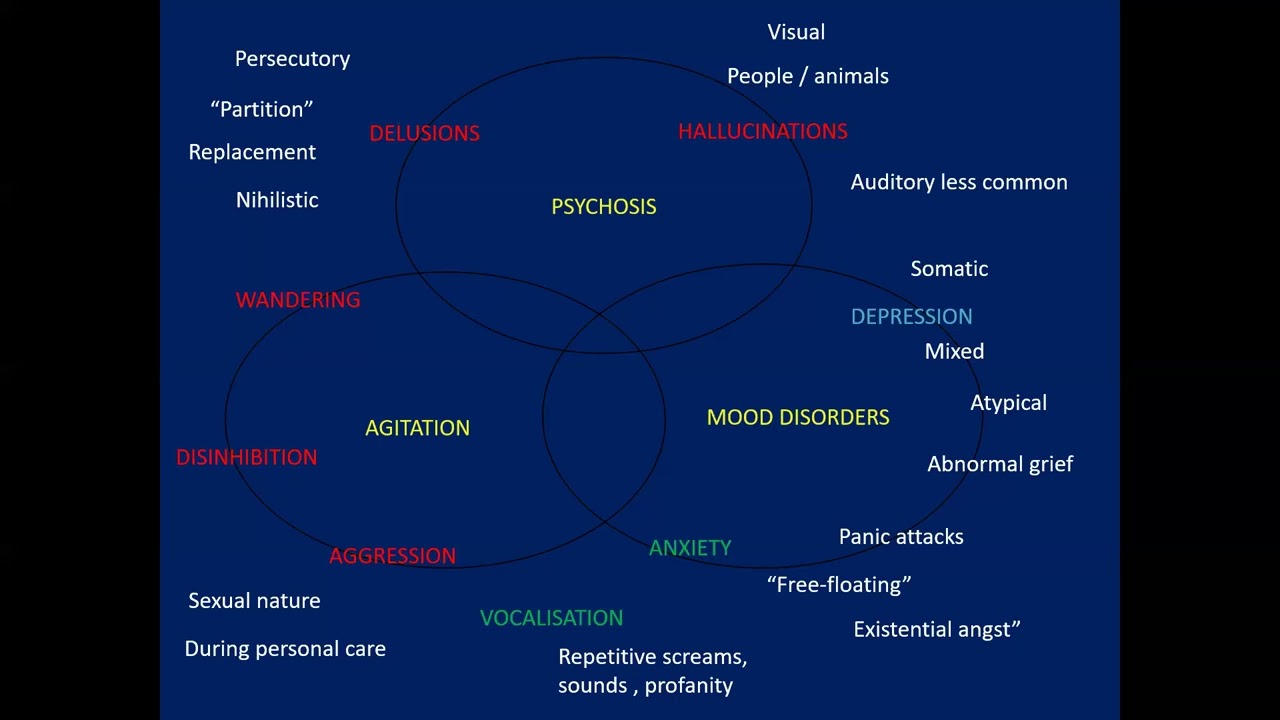
Behavioral and Psychological Symptoms of Dementia (BPSD)
Keywords
Summary
132 words
Critical Evaluation
Value of the Information & Strength of the Argument
The presentation offers valuable clinical insights from an experienced psychiatrist, with practical advice on managing BPSD. The argumentation is based on anecdotal evidence and clinical experience rather than systematic research, which limits its scientific rigor. However, the speaker effectively communicates the complexity of BPSD and the need for a holistic approach.
Scientific Rigor, Source Quality, Title Accuracy
The talk lacks formal citations and references, relying on the speaker’s expertise. The title accurately reflects the content. The speaker mentions rating tools like NPI but does not provide specific sources. The presentation is more of an expert opinion than a literature review.
109 words
Title / Content Match
The title accurately reflects the content, which focuses on BPSD.
Quality & Reliability
7/10
Presentation by an old age psychiatrist with clinical experience, but lacks rigorous citations and relies on anecdotal evidence.
Key Moments
Markers derived by PSI from the transcript: the creator did not define chapters.
- Introduction and welcome by chair
- Dr. Fuller introduces himself and the topic
- Definition of BPSD and its importance
- Discussion on psychosis: hallucinations and delusions
- Depression and grief in dementia
- Agitation and disinhibition, including FTD
- Anxiety and existential distress
- Assessment and target symptoms
- Pharmacological treatments and risks
- Summary and key takeaways
Contribution & Novelties
The presentation provides a practical, clinician-focused overview of BPSD, emphasizing the importance of non-pharmacological approaches and careful medication management. It offers anecdotal insights that may be useful for practitioners.
Pour aller plus loin :
- Neuropsychiatric Inventory (NPI) — A widely used tool for assessing BPSD.
- Alzheimer’s Association — Provides resources on dementia and BPSD.
- Frontotemporal Dementia — Relevant to the discussion on FTD and behavioral symptoms.
66 words
Radar Profile
The radar profile shows high scores in quantity of information and technical level, but lower scores in quality and reliability, reflecting the anecdotal nature of the content.