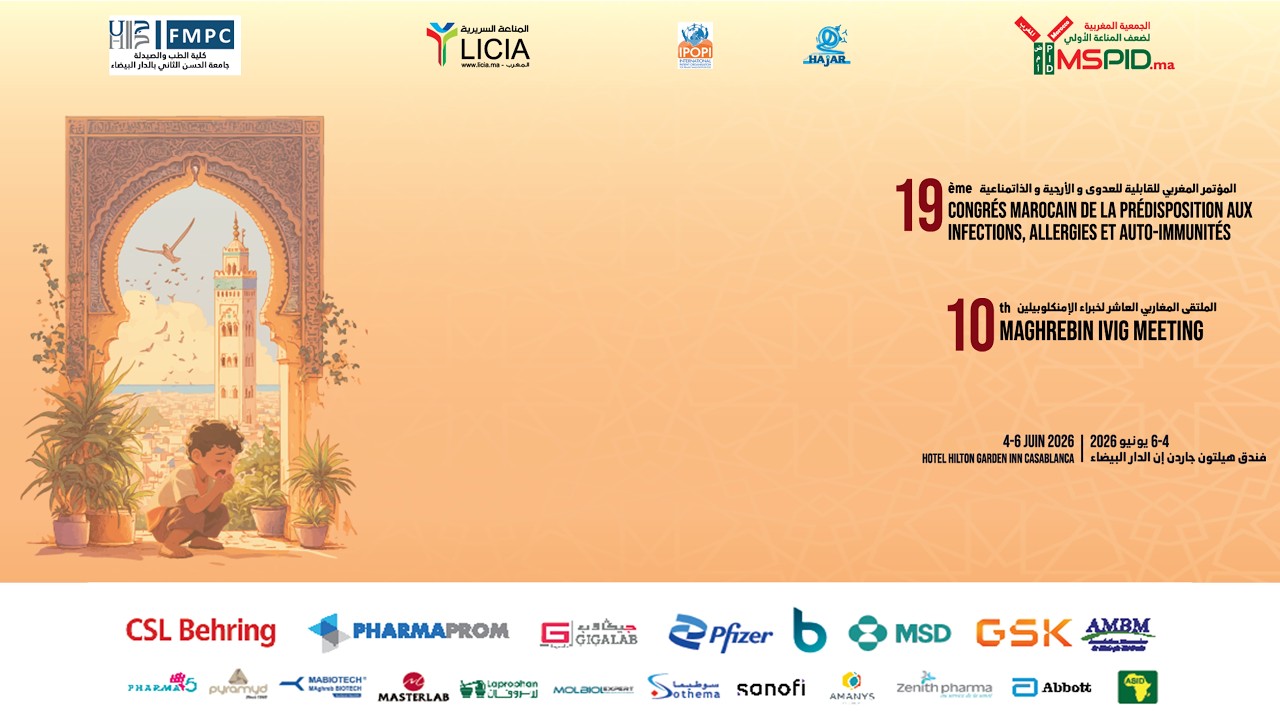
Session parallèle Symposium Gigalab
Keywords
Summary
187 words
Critical Evaluation
Value of the Information & Strength of the Argument
The presentation provides valuable insights into the practical use of rapid tests in clinical settings, supported by local data and references to international studies. The argumentation is coherent, emphasizing the shift from probabilistic to documented prescribing. The speakers effectively argue that RDTs, when combined with clinical examination, can reduce antibiotic misuse and improve patient outcomes. However, the argumentation is somewhat one-sided, as the speakers are affiliated with a diagnostic company, which may introduce bias. The discussion of future technologies like CRISPR is informative but lacks detailed evidence.
Scientific Rigor, Source Quality, Title Accuracy
The scientific rigor is moderate. The speakers cite local studies and WHO recommendations, but specific references are not provided in the video description. The title is generic but accurately reflects the session’s content. The discussion includes regulatory aspects, such as WHO prequalification for tests, which adds credibility. However, the lack of detailed citations and the commercial affiliation of the second speaker slightly reduce the overall reliability.
168 words
Title / Content Match
The title is generic and does not specify the content, but the session indeed covers rapid tests and bronchiolitis, so it is adequate.
Quality & Reliability
7/10
The presentation is given by a pediatrician and a scientific director of a diagnostic company, referencing clinical studies and WHO recommendations. However, it is a conference talk with limited peer-reviewed detail and potential commercial bias.
Key Moments
Markers derived by PSI from the transcript: the creator did not define chapters.
- Introduction to the session and speaker Dr. Arrad.
- Dr. Arrad discusses the multifactorial nature of antibiotic resistance and the role of clinicians.
- Presentation of a study on 300 children with sore throats, showing 75% negative strep tests.
- Case study of a child with fever and respiratory symptoms, using rapid tests to rule out bacterial infection.
- Discussion on reducing antibiotic spectrum using rapid tests for otitis media.
- Introduction to future tests: molecular tests and CRISPR-based diagnostics.
- Q&A session addressing sensitivity, specificity, cost, and conflicts with biologists.
- Dr. Martin begins his presentation on bronchiolitis etiology.
- WHO statistics on influenza and RSV burden.
- Pathophysiology of bronchiolitis and the role of rapid antigen tests.
Cited Sources
- WHO recommendations on rapid diagnostic tests — Mentioned in discussion about test sensitivity and specificity.
- Study on 300 children with sore throats in Casablanca — Presented by Dr. Arrad to show the proportion of negative strep tests.
- Tristan Clark's work on rapid tests — Referenced as a source for algorithms and future tests.
Concurring Sources
- WHO antimicrobial resistance fact sheet — Supports the global concern about antibiotic resistance.
- Rapid diagnostic tests for respiratory infections — Review on the use of RDTs in respiratory infections.
Dissenting Sources
- Concerns about overuse of rapid tests — Some clinicians in the Q&A caution against over-reliance on tests, emphasizing clinical judgment.
Contribution & Novelties
The session provides a practical perspective on integrating rapid tests into clinical practice to combat antibiotic resistance, with local data from Morocco. It highlights the evolution from antigen tests to molecular and CRISPR-based diagnostics, and emphasizes the importance of clinical examination as pre-test probability. The discussion on regulatory standards for test approval adds value.
Pour aller plus loin :
- Antibiotic stewardship — WHO page on antimicrobial resistance.
- CRISPR-based diagnostics — Overview of CRISPR technology.
- Bronchiolitis guidelines — WHO fact sheet on bronchiolitis.
82 words
Radar Profile
The radar profile shows balanced scores across information quantity, quality, technical level, and reliability, indicating a solid but not exceptional presentation. The moderate technical level suggests accessibility to a broad medical audience.
💬 No comments were provided for analysis.