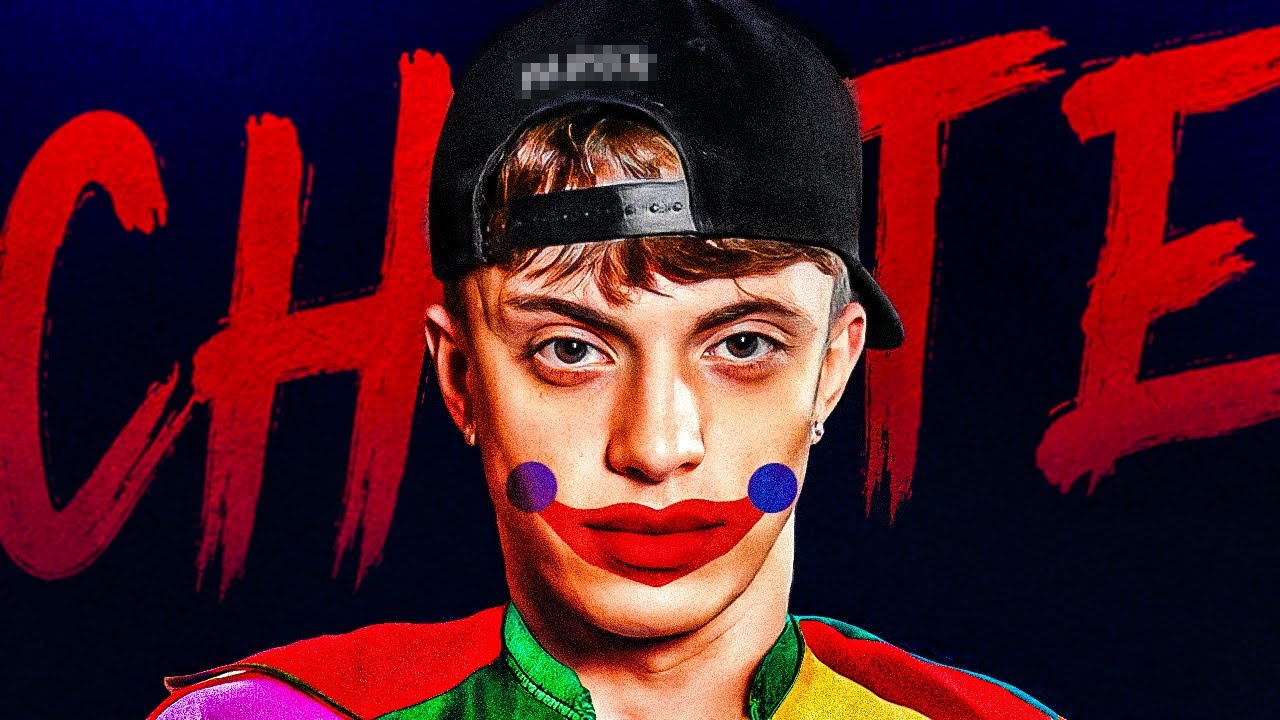
Anyme : pourquoi Internet finit toujours par DÉTESTER ses idoles ?
Keywords
Summary
158 words
Critical Evaluation
Value of the Information & Strength of the Argument
The video offers valuable insights into the dynamics of internet fame, using Anyme as a case study. TPZ’s argument is well-structured, moving from the factors that contribute to a creator’s rise (storytelling, timing, authenticity) to the inevitable backlash. He supports his points with references to sociological concepts and a study on influencer authenticity. However, the argumentation is largely anecdotal and relies on TPZ’s personal interpretation, which may be biased. The video does not provide concrete data or evidence beyond the creator’s narrative, but it effectively stimulates critical thinking about the relationship between audiences and online personalities.
Scientific Rigor, Source Quality, Title Accuracy
The video demonstrates a reasonable level of scientific rigor, referencing academic concepts and providing a link to a Notion page with sources. However, the sources are not explicitly cited within the video, and the Notion page is not directly accessible in the provided data. The title accurately reflects the content, and the video stays on topic. The creator’s personal opinions are clearly presented, but the lack of verifiable sources and the reliance on anecdotal evidence reduce the overall reliability. The video does not engage with counterarguments or alternative perspectives, which could strengthen its credibility.
205 words
Title / Content Match
The title accurately reflects the content, which explores the cycle of adulation and backlash that internet celebrities like Anyme experience.
Quality & Reliability
7/10
The video offers a well-structured socio-cultural analysis of the rise and fall of internet personalities, using Anyme as a case study. It references academic concepts (parasocial relationships, authenticity) and includes a source link to a Notion page with references. However, the analysis is largely opinion-based and lacks empirical data, and the creator's own biases are evident.
Chapters
Cited Sources
- Ulule page for TPZ — Mentioned as a way to support the channel.
- Notion page with sources and bonus — Referenced as containing sources and sponsor bonus.
- TPZ video on TikTok analysis — Mentioned as related content.
- TPZ video on Paris and Anyme — Mentioned as related content.
Concurring Sources
- Study on influencer authenticity — Referenced in the video as a source for the statistic on authenticity.
Contribution & Novelties
The video provides a fresh perspective on the phenomenon of internet celebrities, particularly the cycle of adulation and backlash. It introduces the concept of the ‘anti-creator’ and draws parallels to historical figures like court jesters and gladiators, offering a novel framework for understanding online fame. The analysis of Anyme’s rise and fall is detailed and thought-provoking, encouraging viewers to reflect on their own role in the dynamics of internet culture.
Pour aller plus loin :
- Parasocial interaction — Key concept in understanding the relationship between fans and creators.
- Authenticity (philosophy) — Relevant to the discussion of perceived authenticity in online personalities.
- Cancel culture — Context for the backlash against Anyme.
110 words
Radar Profile
The radar profile shows a balanced performance across all dimensions, with slightly higher scores in information quantity and quality, reflecting the video's comprehensive yet opinionated nature. The lower score in reliability suggests that while the content is engaging, it lacks robust empirical support.
💬 The comments are predominantly positive, with many viewers praising TPZ's analytical skills and the video's quality. Some comments express criticism of Anyme's behavior, while others defend him, indicating a divided audience. Overall, the sentiment is favorable towards the video itself.