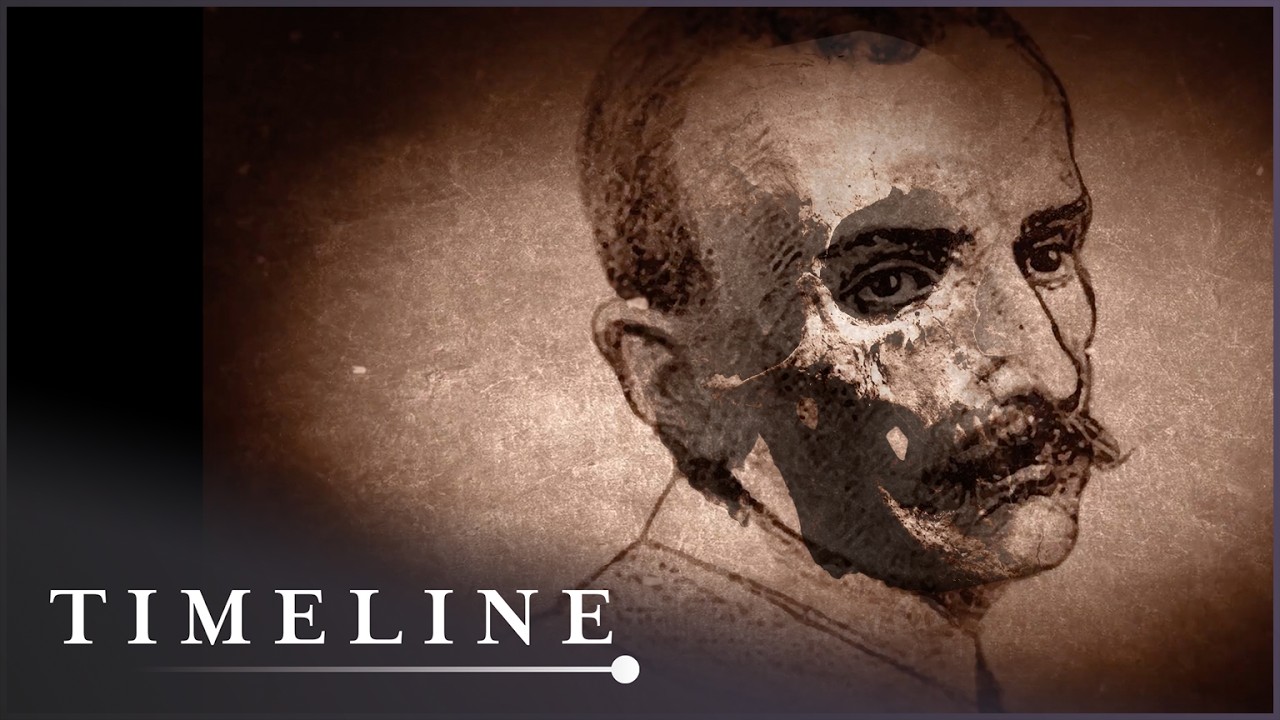
The 1910 Murder Investigation That Rocked Edwardian Britain
Keywords
Summary
162 words
Critical Evaluation
Value of the Information & Strength of the Argument
The documentary offers a compelling narrative that explores the complexities of the case, including the legal innovations of the time and the societal context of Edwardian Britain. It presents both the prosecution and defense perspectives, allowing viewers to assess the strength of the evidence. The argumentation is generally balanced, though it leans towards suggesting Dickman may have been innocent, given the emphasis on the weaknesses of the prosecution’s case. The inclusion of expert commentary adds depth, but the lack of direct source citations limits the ability to verify specific claims.
Scientific Rigor, Source Quality, Title Accuracy
The documentary demonstrates a reasonable level of scientific rigor, using historical records and expert interviews to reconstruct the events. However, it does not provide explicit references to primary sources, which would enhance its credibility. The title accurately reflects the content, focusing on the investigation and trial. The documentary does not include a public comments section, so no analysis of viewer feedback is possible.
168 words
Title / Content Match
The title accurately reflects the content, focusing on the investigation and trial of John Alexander Dickman, a notable Edwardian murder case.
Quality & Reliability
7/10
The documentary provides a detailed narrative of the Dickman case, drawing on historical records and expert commentary. It is well-structured and informative, but lacks explicit citations to primary sources, and some interpretations are presented without direct evidence.
Key Moments
Markers derived by PSI from the transcript: the creator did not define chapters.
- Introduction to the series on railway murders and the case of John Alexander Dickman.
- Background on the victim John Nisbet and his role as a wages clerk.
- The discovery of Nisbet's body and the initial police investigation.
- Arrest of John Alexander Dickman and the prosecution's case.
- Witness testimonies, including the identification by Wilson Hepple and Mrs. Nisbet.
- The defense's strategy and Dickman's testimony in his own defense.
- Cross-examination of Dickman and the weaknesses in his story.
- The guilty verdict and sentencing.
- The appeal process and the issue of the prosecution's comment on Mrs. Dickman.
- The dismissal of the appeal and the execution of Dickman.
Cited Sources
- History Hit membership — Promotional link for History Hit, mentioned in the description.
Concurring Sources
- John Alexander Dickman - Wikipedia — Provides a summary of the case and its historical significance.
Dissenting Sources
- The Dickman Case: A Miscarriage of Justice? — Some historians argue that Dickman was innocent, citing the flawed identification and lack of physical evidence.
Contribution & Novelties
The documentary provides a detailed and engaging account of a lesser-known historical murder case, shedding light on the legal and social context of Edwardian Britain. It highlights the significance of the Criminal Evidence Act 1898 and the establishment of the Court of Criminal Appeal, offering insights into the evolution of the British legal system. The film also raises important questions about the reliability of circumstantial evidence and the potential for miscarriages of justice.
Pour aller plus loin :
- Criminal Evidence Act 1898 — Provides background on the legal change that allowed defendants to testify.
- Court of Criminal Appeal — Explains the establishment and function of the appellate court.
- Circumstantial evidence — Discusses the nature and challenges of circumstantial evidence in legal proceedings.
122 words
Radar Profile
The radar profile shows high scores in quantity of information and global reliability, reflecting the documentary's comprehensive coverage and generally trustworthy content. The lower score in technical level indicates that the content is accessible to a general audience, while the moderate quality of information suggests some limitations in source citation.