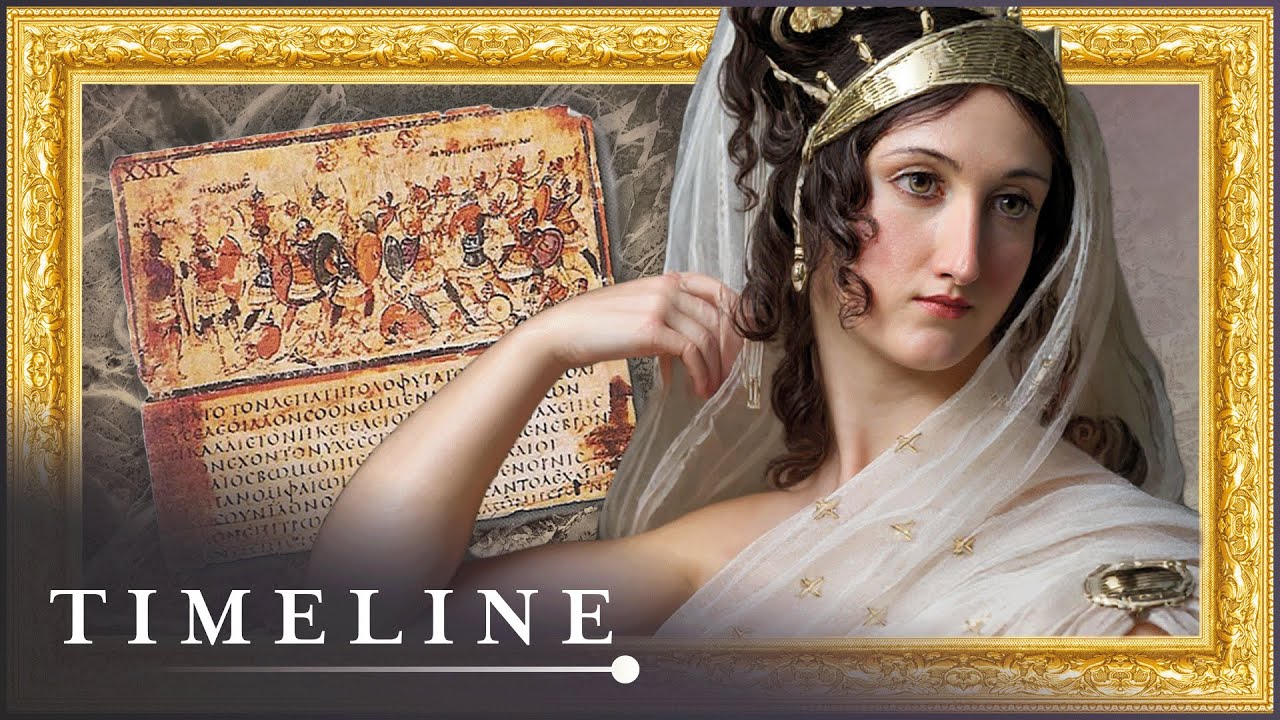
The Hunt For The Lost City Of Troy: A 3000-Year-Old Treasure Map And Missing Millions
Keywords
Summary
177 words
Critical Evaluation
Value of the Information & Strength of the Argument
The documentary provides a valuable overview of Schliemann’s life and the historical context of his work. It presents a balanced view, including both his achievements and his destructive methods. The argumentation is generally solid, with experts offering diverse perspectives on the controversies. However, the film sometimes leans towards sensationalism, particularly in its portrayal of the treasure hunt, which may overshadow the scientific aspects. The narrative is engaging but could benefit from more critical analysis of the sources and evidence.
Scientific Rigor, Source Quality, Title Accuracy
The documentary relies on a mix of expert interviews, archival materials, and reenactments. While it does not cite specific academic sources, it presents a coherent narrative based on historical records. The title accurately reflects the content, though it emphasizes the treasure aspect. The film’s scientific rigor is moderate; it acknowledges the criticisms of Schliemann’s methods but does not delve deeply into the archaeological evidence. The adéquation between title and content is good, as the documentary indeed focuses on the hunt for Troy and the treasure.
179 words
Title / Content Match
The title accurately reflects the content, focusing on the search for Troy and the treasure, though it sensationalizes the 'missing millions' aspect.
Quality & Reliability
7/10
The documentary provides a detailed narrative of Schliemann's excavations, but relies heavily on dramatization and expert commentary without direct citations to primary sources. It presents multiple perspectives on controversies, but some claims (e.g., treasure authenticity) remain debated.
Key Moments
Markers derived by PSI from the transcript: the creator did not define chapters.
- Introduction to Homer's Iliad and Schliemann's obsession.
- Schliemann's arrival in London and the intellectual context.
- Schliemann's initial search at Bunarbashi and his Achilles test.
- Discovery of Hisarlik and partnership with Frank Calvert.
- Start of excavations and Schliemann's destructive methods.
- Discovery of the marble frieze and falling out with Calvert.
- Finding of the treasure of Priam and the famous photograph.
- Smuggling the treasure out of Turkey.
- Excavations at Mycenae and the mask of Agamemnon.
- Legacy and controversies surrounding Schliemann's work.
Cited Sources
- History Hit — Promotional link for additional historical content.
Concurring Sources
- Heinrich Schliemann - Britannica — Encyclopedia entry confirming biographical details.
Dissenting Sources
- Schliemann's Troy: A Critical Assessment — Some scholars argue that Schliemann's identification of Troy was incorrect and that his methods destroyed valuable evidence.
Contribution & Novelties
The documentary offers a compelling narrative of Schliemann’s life, highlighting the intersection of myth and archaeology. It provides insights into the controversies and the impact of his work on the field. The film’s strength lies in its storytelling and expert commentary, though it does not present new research.
Pour aller plus loin :
- Heinrich Schliemann - Wikipedia — Overview of his life and excavations.
- Troy - Wikipedia — Archaeological site and its history.
- Iliad - Wikipedia — The epic poem and its historical context.
84 words
Radar Profile
The radar profile shows high scores in information quantity and quality, moderate technical level, and good reliability. This indicates a well-researched documentary that is accessible to a general audience but may lack depth for specialists.
💬 Sur les 30 commentaires analysés, le climat est globalement positif, avec des éloges pour la narration et l'intérêt historique, bien que certains critiques soulignent les méthodes destructrices de Schliemann.