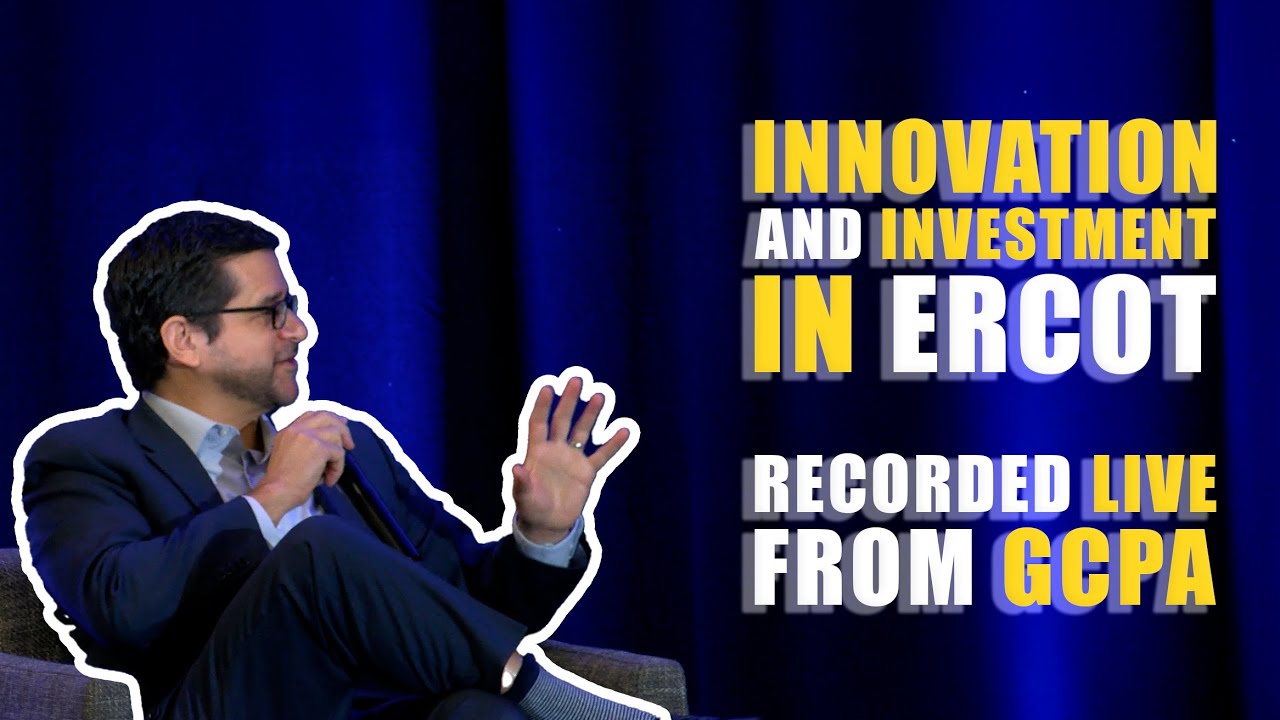
Grid reliability in Texas: Big loads, big opportunity at GCPA
Keywords
Summary
153 words
Critical Evaluation
Value of the Information & Strength of the Argument
The panel provides valuable insights into the current state and future of ERCOT’s grid, particularly regarding the integration of large loads. The argumentation is grounded in the panelists’ direct experience, making it credible. They effectively highlight the complexity of the interconnection queue and the need for process improvements. The discussion on flexibility and demand-side resources is well-articulated, with concrete examples like battery storage and smart meters. However, the arguments are largely qualitative and lack quantitative data or references to specific studies, which limits the depth of the analysis. The panelists agree on the importance of innovation but offer differing perspectives on time horizons and priorities, enriching the discussion.
Scientific Rigor, Source Quality, Title Accuracy
The discussion is rigorous in the sense that it draws on the panelists’ professional expertise, but it lacks formal citations or references to external sources. The title accurately reflects the content, focusing on grid reliability and large loads in Texas. The panelists mention specific entities like ERCOT and the PUC, but no external sources are cited. The content is consistent with current industry discussions, but the lack of verifiable sources reduces its scientific rigor. The title is appropriate and does not overpromise.
205 words
Title / Content Match
The title accurately reflects the focus on grid reliability and large loads in Texas, as discussed by the panel.
Quality & Reliability
7/10
The discussion features experienced industry professionals with direct involvement in ERCOT markets, providing credible insights. However, it is an opinion-based panel without formal citations or data verification, and the content is promotional in nature.
Key Moments
Markers derived by PSI from the transcript: the creator did not define chapters.
- Introduction of panelists and their companies.
- Discussion on the 190 GW interconnection queue and the uncertainty of what will actually be built.
- Hayden Stanley discusses the race to win the AI race and the role of power.
- Tom McInn expresses concerns about residential consumers being left behind.
- Zach Dell explains Base Power's long-term focus on 2040 and the importance of large investments.
- Mari Yates discusses the process-driven roadblocks for large load interconnection.
- Tom McInn talks about smart meter Texas and the future of mass market retail innovation.
- Zach Dell describes the flexibility of home batteries and the go-to-market strategy.
- Discussion on the importance of consumer empowerment and the role of technology.
Contribution & Novelties
The panel provides a current, practitioner-level perspective on the challenges and opportunities of large load growth in ERCOT, emphasizing the need for process reform and the potential of demand-side flexibility. It offers a balanced view, including concerns for residential consumers.
Pour aller plus loin :
- ERCOT — Official ERCOT website for market data and reports.
- Texas PUC — Texas Public Utility Commission, relevant for regulatory context.
- Demand Response — Overview of demand response mechanisms.
- Battery storage — Background on battery storage technology.
82 words
Radar Profile
The radar profile shows balanced scores across information quantity, quality, technical level, and reliability, indicating a moderately informative and credible discussion. The high reliability score reflects the panelists' expertise, while the technical level is moderate, making it accessible to a broad audience.