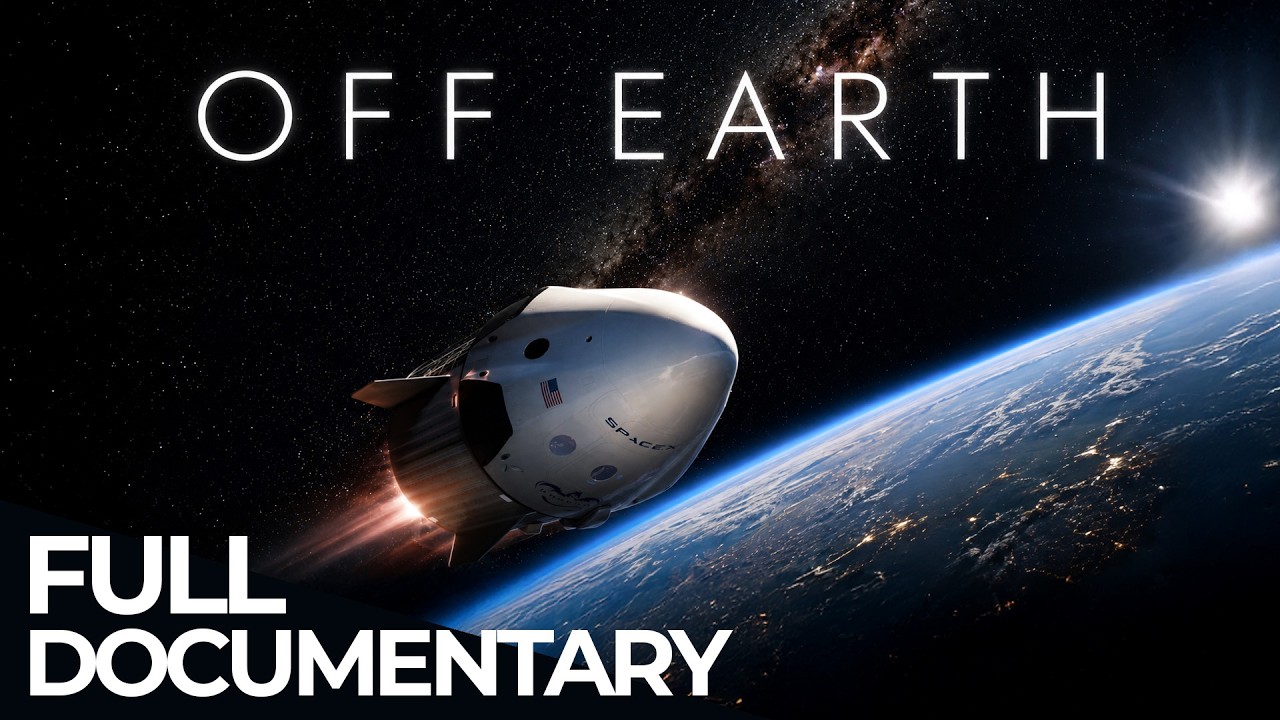
Off Earth: We Are About to Become a Multi-Planetary Species | Free Documentary Space
Keywords
Summary
143 words
Critical Evaluation
The documentary provides a compelling overview of the current state of commercial spaceflight, highlighting key milestones such as the flights of Blue Origin and Virgin Galactic, and the achievements of SpaceX. It effectively conveys the excitement and potential of the new space economy, with interviews from industry insiders and entrepreneurs. However, the film tends to be promotional, often glossing over technical challenges and potential risks. The scientific rigor is moderate; while it mentions cost reductions and technological advancements, it lacks detailed analysis of the engineering and economic hurdles. The sources cited are primarily the companies themselves and a few experts, which may introduce bias. The title accurately reflects the content, and the documentary is well-structured, but it could benefit from a more critical perspective. The public comments (not provided) would likely reflect enthusiasm for space exploration, but without them, we cannot assess audience reception. Overall, the documentary is informative and inspiring, but it should be viewed as an introduction rather than an in-depth analysis.
164 words
Title / Content Match
The title accurately reflects the content, which discusses humanity's journey towards becoming a multi-planetary species through commercial spaceflight.
Quality & Reliability
7/10
The documentary provides a broad overview of the new space economy, featuring interviews with experts and entrepreneurs. It is well-produced but lacks in-depth technical detail and critical analysis. The information is generally accurate but presented in a promotional tone.
Key Moments
Markers derived by PSI from the transcript: the creator did not define chapters.
- Introduction to the new space revolution and commercial access to space.
- Jeff Bezos's suborbital flight on July 20, 2021, and its significance.
- Richard Branson's flight and the dawn of space tourism.
- SpaceX's Inspiration4 mission, the first all-civilian orbital flight.
- Discussion on the new space economy and its potential.
- Elon Musk's vision of a multi-planetary species and the importance of reusable rockets.
- PLD Space and the development of small reusable rockets.
- The Miura 5 rocket and its recovery system.
- The role of the European Space Agency in supporting private space ventures.
- The future of space colonization and the concept of a Type I civilization.
Cited Sources
- Free Documentary Channel — Channel subscription link mentioned in the description.
- Free Documentary Instagram — Social media link in the description.
- Free Documentary Facebook — Social media link in the description.
- Free Documentary Twitter — Social media link in the description.
Concurring Sources
- SpaceX official website — Confirms the development of reusable rockets and cost reduction.
- Blue Origin official website — Confirms the suborbital flight and tourism plans.
- Virgin Galactic official website — Confirms the space tourism flights.
Dissenting Sources
- The Space Review — Provides critical analysis of the commercial space industry, highlighting challenges and risks.
Contribution & Novelties
The documentary offers a current snapshot of the commercial space industry, emphasizing the role of private companies in reducing launch costs and enabling space tourism. It provides insights into smaller players like PLD Space, which are often overlooked. The film’s original contribution is its focus on the economic implications of space exploration and the potential for a new space economy.
Pour aller plus loin :
- SpaceX official website — For more information on reusable rockets and missions.
- Blue Origin official website — Details on New Shepard and future plans.
- Virgin Galactic official website — Information on space tourism flights.
- NASA’s Artemis program — NASA’s plans for lunar exploration.
- Kardashev scale — Concept of Type I, II, and III civilizations.
119 words
Radar Profile
The radar profile shows a balanced but moderate performance across all dimensions, with slightly higher scores in information quantity and quality, reflecting the documentary's comprehensive yet accessible approach. The lower technical level indicates that it is aimed at a general audience rather than specialists.